
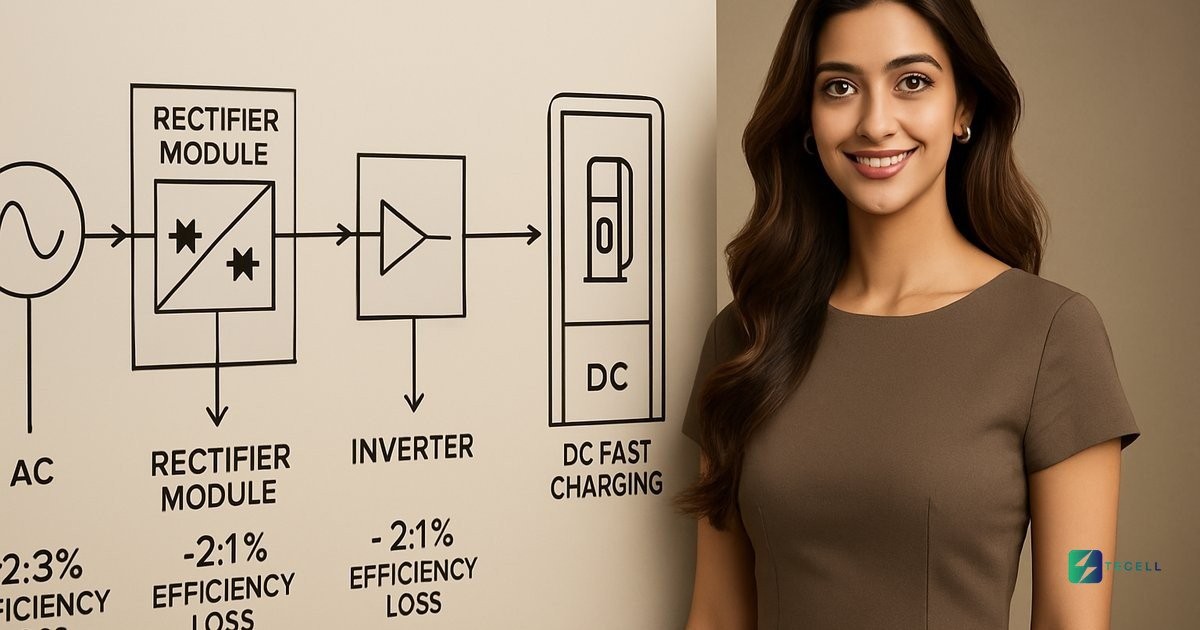
Understanding Real-Time Power Factor Correction in DC Fast Charging
Implementing real-time power factor correction in DC fast charging networks is a critical technical challenge for maintaining grid stability and operational efficiency. This approach ensures that the electrical power drawn from the grid aligns with the system’s actual needs, reducing strain on infrastructure and improving overall performance. The focus on real-time correction becomes even more important as charging networks expand and demand increases.
Power factor correction addresses the mismatch between voltage and current in AC systems, which can lead to inefficiencies and increased energy costs. In DC fast charging, where high power levels are common, maintaining a stable power factor is essential for both grid operators and charging station providers. This technology helps avoid penalties from utility companies and supports sustainable energy use.
For example, a logistics company managing 40 electric vehicles faces significant load variations during peak charging hours. Without real-time power factor correction, the charging network could cause voltage fluctuations that affect other equipment or even trigger protective shutdowns. Implementing this technology allows the company to maintain consistent power delivery while minimizing grid impact.
Real-time power factor correction systems monitor and adjust electrical parameters continuously, adapting to changing load conditions. This dynamic response is crucial in environments where charging demands fluctuate rapidly, such as urban areas or highway rest stops. The technology ensures that the charging infrastructure operates within acceptable limits for both performance and compliance.
Technical Challenges in Implementing Real-Time Power Factor Correction
One of the primary technical challenges in real-time power factor correction is the complexity of integrating multiple systems. Charging stations must communicate effectively with grid management systems and other infrastructure components. This requires robust communication protocols and software that can process data quickly and accurately.
Another challenge involves the hardware requirements for real-time monitoring and adjustment. High-speed sensors and control units are necessary to detect power factor issues and respond within milliseconds. These components must be reliable and durable, especially in outdoor environments where weather and temperature variations are common.
System integration also presents difficulties when upgrading legacy charging infrastructure. Older systems may not support the required communication standards or may lack the processing power needed for real-time adjustments. Retrofitting these systems can be costly and technically complex, requiring careful planning and execution.
Additionally, the variability in vehicle charging profiles adds another layer of complexity. Different EV models and battery states can result in varying power draw patterns, making it difficult to predict and manage power factor consistently. Real-time systems must be flexible enough to handle these variations without compromising performance.
Solutions for Grid Stability and Efficiency
Modern solutions for real-time power factor correction often involve advanced control algorithms and smart inverters. These systems can automatically adjust the phase relationship between voltage and current, bringing the power factor closer to unity. This adjustment reduces reactive power and improves the efficiency of the electrical system.
Smart inverters play a key role in these solutions by providing precise control over power delivery. They can respond to grid signals and adjust their output to meet specific requirements. This capability is particularly useful in areas with strict power quality standards or where grid operators require active participation in load management.
Energy storage systems can also support real-time power factor correction by providing or absorbing reactive power as needed. These systems act as buffers, smoothing out fluctuations and maintaining stable conditions even when charging demands spike. This approach is especially beneficial for large-scale installations where consistent power delivery is essential.
For instance, a commercial charging network serving a fleet of delivery trucks might use a combination of smart inverters and battery storage to maintain optimal power factor. The system can respond to real-time data from the grid and adjust its behavior accordingly, ensuring compliance and efficiency.
Benefits of Real-Time Power Factor Correction
Implementing real-time power factor correction brings several benefits to DC fast charging networks. Improved efficiency means less energy is wasted, which translates to cost savings and reduced environmental impact. This efficiency gain is particularly valuable in high-demand environments where every kilowatt-hour counts.
Grid stability is another major advantage. By maintaining a consistent power factor, charging networks reduce the risk of voltage drops or surges that could affect other users or equipment. This stability is essential for maintaining reliable service and avoiding penalties from utility providers.
Operational flexibility is also enhanced through real-time correction. Charging stations can adapt to changing conditions without manual intervention, allowing for more responsive and automated management. This flexibility is especially important for networks that serve diverse user groups with varying charging needs.
From a business perspective, real-time power factor correction can improve customer satisfaction by ensuring consistent charging performance. Users experience fewer interruptions and more predictable charging times, which builds trust and loyalty. This reliability is a key factor in the success of any charging network.
Case Study: A Large-Scale Implementation
A major charging network operator deployed real-time power factor correction across its fleet of DC fast chargers. The system was designed to handle varying load conditions and integrate with the local utility’s smart grid infrastructure. The implementation involved upgrading hardware and software components to support real-time monitoring and adjustment.
After deployment, the network saw a noticeable improvement in power quality metrics. The system maintained a stable power factor even during peak usage periods, reducing the risk of grid instability. The operator also reported fewer maintenance issues and lower energy costs, demonstrating the practical benefits of the technology.
The success of this implementation highlights the importance of careful planning and system integration. The operator worked closely with grid providers and technology vendors to ensure compatibility and performance. This collaboration was essential for achieving the desired outcomes and maintaining compliance with regulatory standards.
Looking ahead, the operator plans to expand the system to additional locations, leveraging lessons learned from the initial deployment. The experience has shown that real-time power factor correction is not only technically feasible but also economically beneficial for large-scale charging networks.
Future Trends and Considerations
As EV adoption continues to grow, the demand for efficient and stable charging infrastructure will increase. Real-time power factor correction will likely become a standard feature in new installations, driven by both regulatory requirements and operational needs. This trend reflects the broader shift toward smarter, more responsive energy systems.
Emerging technologies such as artificial intelligence and machine learning are expected to enhance real-time power factor correction capabilities. These tools can predict load patterns and optimize system performance before issues arise. This proactive approach will further improve efficiency and reduce the burden on grid operators.
Integration with vehicle-to-grid (V2G) systems is another area of development. As EVs become more connected, they can contribute to grid stability by adjusting their power draw based on real-time conditions. This bidirectional interaction will require advanced power factor correction systems that can manage both incoming and outgoing power flows.
Looking forward, the focus will be on making real-time power factor correction more accessible and affordable. As the technology matures, it will become easier to implement in smaller installations and retrofit older systems. This accessibility will help ensure that all charging networks can benefit from improved efficiency and grid stability.
Key Takeaways
- Real-time power factor correction is essential for maintaining grid stability and operational efficiency in DC fast charging networks.
- Technical challenges include system integration, hardware requirements, and managing varying vehicle charging profiles.
- Benefits include improved energy efficiency, reduced grid impact, and enhanced operational flexibility.
- Successful implementations require careful planning, collaboration with grid providers, and ongoing system optimization.
Related Reading
For more on related topics, see: EV Charging Solution | Cloud-Based EV Charging Management.
Further reading: The Future of EV Charging: Trends to Watch in 2025 | Tecell CMS Blog
📣 Join our Telegram channel for EV charging technology insights and product updates.
Also find us on: LinkedIn · X · Bluesky · Mastodon · DEV.to.