Understanding Real-Time Battery Swapping Coordination in EV Charging
Real-time battery swapping coordination is a critical capability for modern EV charging infrastructure, especially in hybrid environments where both battery swapping and traditional charging coexist. This approach ensures that vehicles can seamlessly transition between different charging methods without delays or inefficiencies. Saha-Edge, Tecell’s edge computing platform, enables this coordination through localized AI processing and dynamic slot allocation. The system operates independently of cloud connectivity, making it ideal for remote or high-demand locations.
For fleet operators or logistics companies managing multiple vehicles, real-time coordination means reduced downtime and optimized energy use. It also supports compliance with evolving standards like ISO 15118, which governs vehicle-to-grid communication. By leveraging local processing power, Saha-Edge ensures that battery swapping decisions are made quickly and accurately, even when network conditions are unstable.
What sets this technology apart is its ability to handle complex scenarios without relying on centralized systems. This is particularly important in environments where network latency or outages could disrupt operations. The platform’s localized intelligence allows it to make real-time decisions based on battery health, vehicle demand, and grid availability.
How Saha-Edge Enables Localized Battery Management
Saha-Edge’s edge computing architecture brings processing power directly to the charging station. This means that battery management decisions are made locally, reducing the need for constant communication with a central server. This approach is especially beneficial in areas with limited or unreliable internet access.
Localized battery management allows for more responsive and efficient operations. For example, if a vehicle’s battery is nearing its optimal charge level, the system can automatically switch to a lower-power mode or prepare for a battery swap. This proactive approach minimizes idle time and maximizes throughput.
By processing data at the edge, Saha-Edge also enhances security and privacy. Sensitive information about vehicle usage and battery status remains within the local environment, reducing exposure to potential cyber threats. This is a key advantage for enterprise deployments where data protection is paramount.
Dynamic Slot Allocation for Hybrid Charging Environments
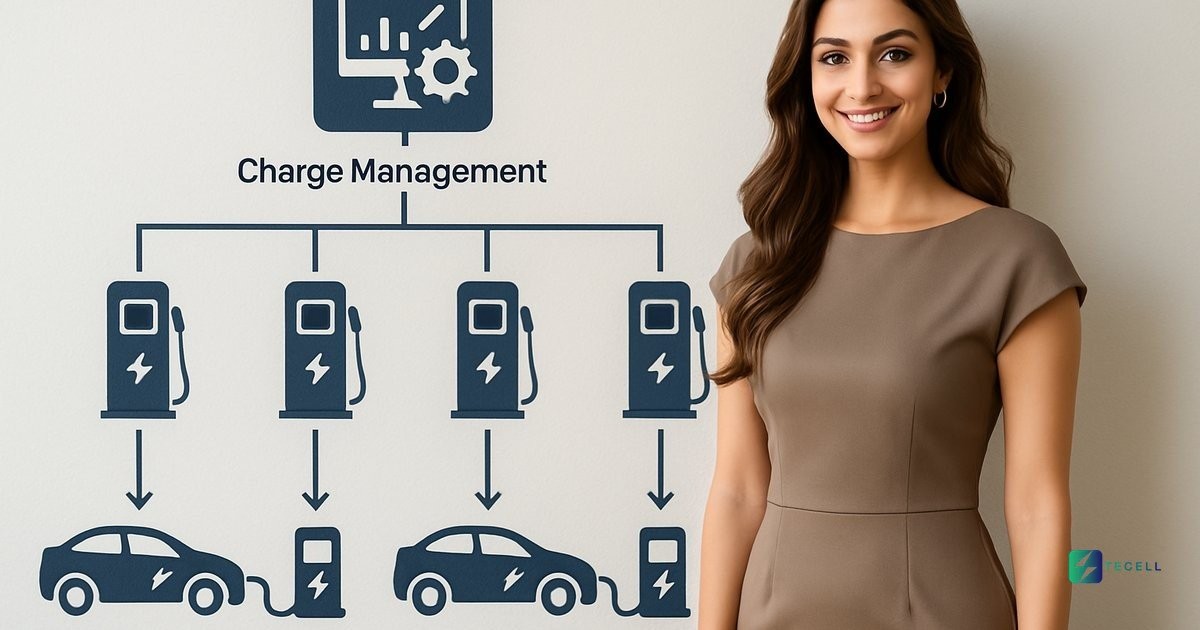
Dynamic slot allocation is a core feature of Saha-Edge that allows charging stations to adapt to changing demands in real time. In hybrid environments, where both battery swapping and standard charging are available, this capability ensures that resources are used efficiently.
Imagine a logistics company managing 40 vehicles, each with different charging needs. Saha-Edge can dynamically assign slots based on battery levels, vehicle priority, and charging speed. This prevents bottlenecks and ensures that all vehicles are serviced in a timely manner.
The system uses predictive algorithms to anticipate demand and adjust slot assignments accordingly. This is particularly useful during peak hours when demand is high. By pre-allocating slots, the platform reduces wait times and improves overall user satisfaction.
Edge-AI for Predictive Scheduling and Optimization
Edge-AI within Saha-Edge enables predictive scheduling, which helps anticipate when batteries will need to be swapped or recharged. This predictive capability is based on historical data, vehicle usage patterns, and real-time conditions.
For instance, if a vehicle has been consistently using high-power charging, the system might predict that its battery will reach a critical level soon. It can then proactively schedule a swap or adjust the charging profile to extend battery life.
This level of intelligence is especially valuable in fleet operations, where maintaining vehicle uptime is crucial. Predictive scheduling reduces the risk of unexpected downtime and ensures that vehicles are always ready for their next trip.
ISO 15118 Compliance and Cross-Protocol Coordination
ISO 15118 compliance is essential for ensuring that EV charging systems can communicate effectively with vehicles and other infrastructure. Saha-Edge supports this standard by enabling secure, standardized communication between charging stations and vehicles.
Real-time battery swapping coordination under ISO 15118 means that the system can interpret vehicle requests and respond appropriately, even when multiple protocols are in play. This is particularly important in regions where different charging standards are used.
By supporting cross-protocol coordination, Saha-Edge ensures that charging infrastructure remains interoperable, regardless of the vehicle or charging method involved. This flexibility is key to building scalable and future-proof charging networks.
Practical Applications in Real-World Scenarios
A logistics company managing 40 vehicles faces challenges in maintaining consistent uptime. With Saha-Edge, the company can ensure that each vehicle is serviced efficiently, even during peak hours. The system dynamically allocates slots and coordinates battery swaps based on real-time data, reducing wait times and improving fleet productivity.
Similarly, a commercial charging network in a remote area might experience intermittent internet connectivity. Saha-Edge’s edge computing capabilities allow it to continue operating smoothly, making decisions based on local data and maintaining service quality without cloud dependency.
This kind of localized intelligence is also valuable for utility companies looking to integrate EV charging into the broader energy grid. By managing charging loads in real time, Saha-Edge helps balance demand and reduce strain on the grid.
Benefits of Real-Time Battery Swapping Coordination Without Cloud Dependency
One of the most significant advantages of Saha-Edge’s approach is its ability to function without cloud connectivity. This independence ensures that charging operations continue even during network outages or high-latency conditions.
For operators, this means fewer disruptions and more reliable service. It also reduces the complexity of managing a distributed network, as each charging station can operate autonomously.
Additionally, the localized nature of the system enhances security. Sensitive data remains within the local environment, reducing the risk of breaches or unauthorized access. This is particularly important for enterprise and government deployments.
Conclusion: The Future of Intelligent Charging Infrastructure
Real-time battery swapping coordination powered by Saha-Edge’s edge-AI represents a significant step forward in EV charging infrastructure. By enabling localized decision-making, dynamic slot allocation, and ISO 15118 compliance, the platform supports a wide range of operational needs.
Whether managing a fleet of vehicles or operating a commercial charging network, the ability to coordinate battery swapping efficiently and reliably is essential. Saha-Edge delivers this capability through intelligent, localized processing that works independently of cloud connectivity.
As the EV ecosystem continues to evolve, technologies like Saha-Edge will play a crucial role in ensuring that charging infrastructure is both scalable and resilient. This is not just about faster charging—it’s about smarter infrastructure that adapts to real-time needs.
Related Reading
For more on related topics, see: Saha-Edge Offline Charging Decisions.
Further reading: The Future of EV Charging: Trends to Watch in 2025 | Tecell CMS Blog
📣 Join our Telegram channel for EV charging technology insights and product updates.
Also find us on: LinkedIn · X · Bluesky · Mastodon · DEV.to.