A Level 2 charger can operate with a portable charger in the same station without OCPP 2.0.1 support, but it will not maintain ISO 15118 compliance for Plug & Charge. The two devices must be managed separately, and the system will not support seamless, secure communication required for Plug & Charge.
How it works in practice
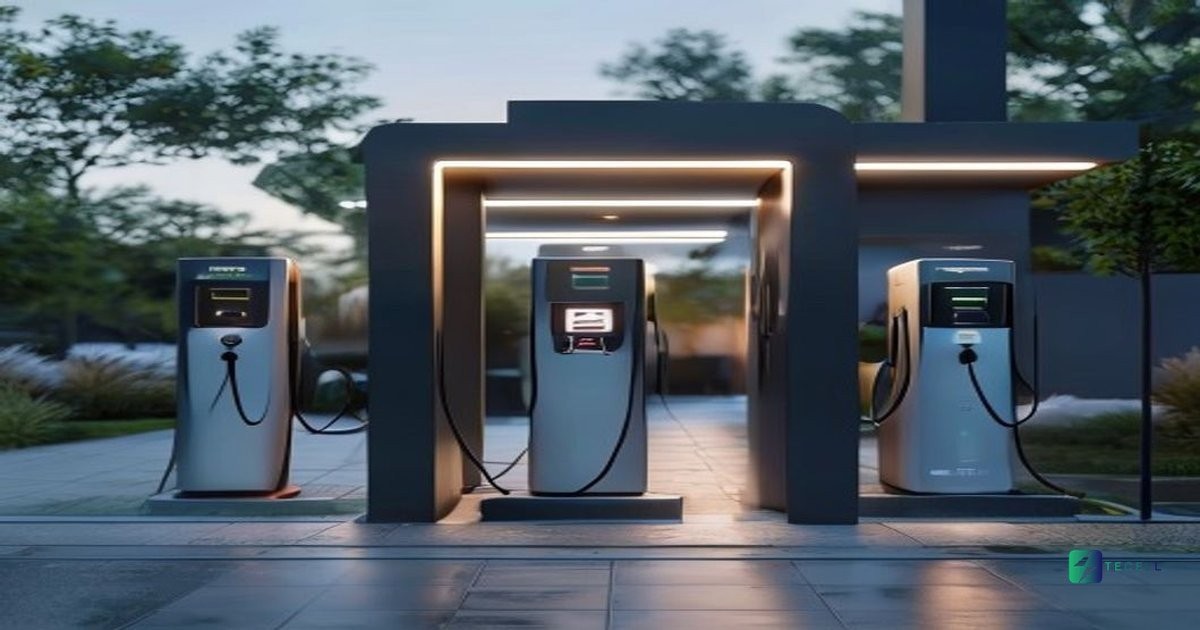
In real-world deployments, a Level 2 charger and a portable charger in the same station typically function as independent charging units. The Level 2 charger handles standard charging protocols, while the portable charger operates under its own control logic. This setup requires separate management interfaces and does not enable the unified communication needed for Plug & Charge.
Operators must ensure that both devices are configured to avoid conflicts in power delivery or communication. Without OCPP 2.0.1, the system cannot dynamically manage the interaction between the two chargers, which limits advanced features like load balancing or real-time status updates.
For fleet or enterprise use cases, this separation can complicate billing and monitoring. Each charger must be tracked individually, and the lack of interoperability can reduce operational efficiency.
What this means for charging infrastructure
For Charge Point Operators (CPOs), this configuration introduces complexity in system management. While it allows for mixed charging solutions, it also increases the risk of misconfigurations or inconsistent performance. CPOs must carefully evaluate whether the benefits of combining chargers outweigh the operational overhead.
For users, the experience may vary depending on the charging station’s firmware and capabilities. Some stations may support both devices but require manual switching or separate authentication. This can lead to a less seamless user experience compared to systems that fully support Plug & Charge.
Infrastructure providers should consider future-proofing their installations by ensuring compatibility with OCPP 2.0.1 and ISO 15118. This approach supports evolving standards and enables more advanced charging features as they become available.
Related Reading
For more on related topics, see: Configure Level 2 Charger AC DC OCPP 2.0.1.
Further reading: EV Charge Management Software Global | Europe, UK, US | Tecell CMS
📣 Join our Telegram channel for EV charging technology insights and product updates.
Also find us on: LinkedIn · X · Bluesky · Mastodon · DEV.to.