
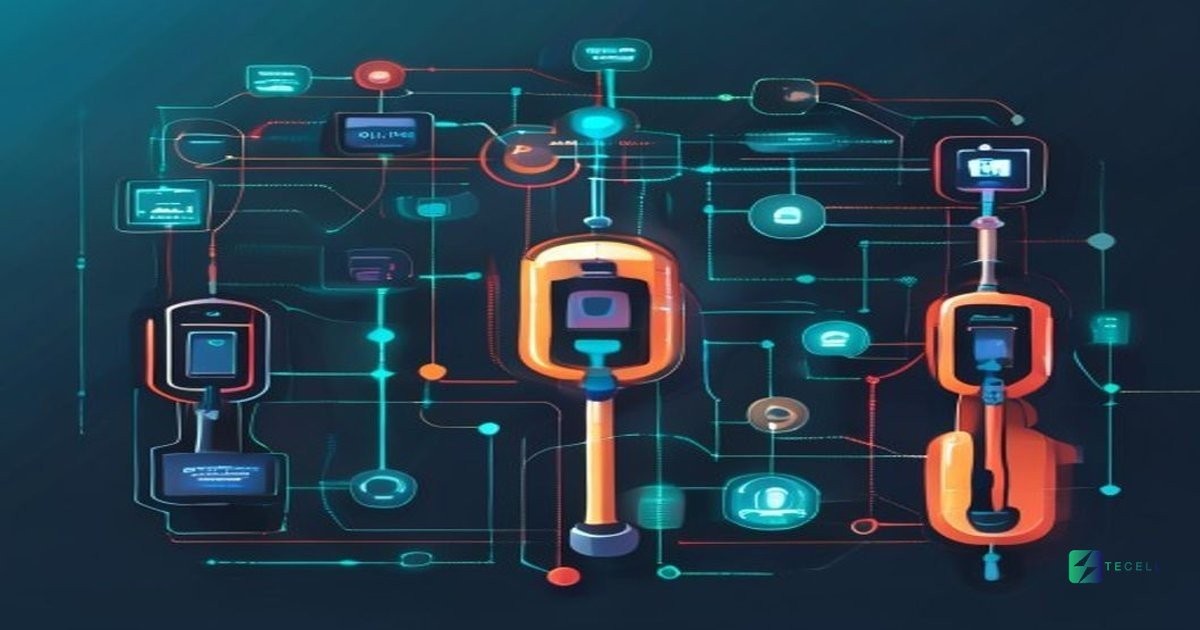
Understanding OCPP 2.0.1 Dynamic Connector Locking in EV Charging
When electric vehicle charging networks operate in remote or off-grid environments, security becomes a critical concern. The OCPP 2.0.1 standard introduces dynamic connector locking as a mechanism to enhance physical security during charging sessions. This feature ensures that connectors remain locked until authentication is complete, preventing unauthorized access and tampering.
This approach is particularly valuable for fleet operators or infrastructure providers who manage multiple charging points across various locations. It reduces the risk of theft, vandalism, or misuse of charging equipment in public or semi-public spaces.
By integrating this functionality with hardware-level access control systems, such as those enabled through Saha-Edge and ChargeSphere platforms, operators can maintain secure operations even without constant cloud connectivity.
The implementation of dynamic connector locking within OCPP 2.0.1 represents a shift toward more robust physical security measures in EV charging infrastructure. It addresses real-world challenges faced by charge point operators who must balance convenience with safety.
How Dynamic Connector Locking Works
Dynamic connector locking operates through a combination of software protocols and mechanical systems. When a vehicle initiates a charging session, the system verifies identity using authentication methods like ISO/IEC 15118 or other secure communication channels.
Until successful authentication occurs, the connector remains locked. This prevents any physical interaction with the charging cable or plug before proper authorization is confirmed.
This mechanism is especially useful in environments where physical access to charging stations may be unmonitored or limited. It ensures that only authorized users can begin a charging session, reducing potential misuse or damage.
For operators managing large deployments, this feature provides an additional layer of control over their infrastructure, particularly when combined with edge computing capabilities like those offered by Saha-Edge.
Physical Security Protocols and Their Role in Charging Infrastructure
Physical security protocols are essential components of modern EV charging systems. They protect not just the hardware but also the integrity of the charging process itself. These protocols include measures such as tamper detection, secure communication channels, and mechanical locking mechanisms.
In environments where network connectivity is unreliable or unavailable, these physical safeguards become even more critical. Without cloud dependency, operators must rely on local systems to enforce security policies effectively.
OCPP 2.0.1’s support for dynamic connector locking aligns with broader industry efforts to improve resilience and trust in charging infrastructure. It allows systems to function autonomously while maintaining high levels of protection.
Real-world applications show that these protocols are especially beneficial in rural or remote installations, where traditional monitoring systems may not be feasible.
Integration with Saha-Edge for Localized Authentication
Saha-Edge plays a pivotal role in enabling localized mechanical authentication. This platform provides edge computing capabilities that allow charging stations to perform necessary security functions without relying on cloud services.
With Saha-Edge, the system can validate user credentials and manage connector locks directly at the point of use. This reduces latency and increases reliability, especially during periods of poor connectivity.
The platform supports real-time decision-making based on local data, ensuring that security policies are enforced consistently across all connected devices. It also enables predictive maintenance and diagnostics, further enhancing operational efficiency.
A logistics company managing 40 vehicles faces challenges when deploying charging infrastructure in remote locations. Using Saha-Edge, they can ensure that each station operates securely even if internet access is intermittent or unavailable.
ISO/IEC 15118 Compliance and Its Impact on Security
ISO/IEC 15118 is a global standard for vehicle-to-grid (V2G) communication that includes provisions for secure authentication and session management. Compliance with this standard ensures interoperability and enhanced security in EV charging networks.
When combined with OCPP 2.0.1’s dynamic connector locking, ISO/IEC 15118 provides a comprehensive framework for secure charging. This integration allows for seamless communication between vehicles, charging stations, and backend systems.
The standard supports plug-and-play functionality while maintaining strict security requirements. It ensures that all parties involved in the charging process are authenticated and authorized before any energy transfer occurs.
Operators benefit from this compliance by reducing risks associated with unauthorized access or fraudulent transactions. It also helps them meet regulatory expectations for secure infrastructure deployment.
ChargeSphere’s Role in Cross-Protocol Charging
ChargeSphere facilitates cross-protocol charging by acting as an intermediary between different systems and standards. It enables interoperability among various charging networks, making it easier to manage diverse hardware setups.
Through ChargeSphere, operators can integrate OCPP 2.0.1-based systems with other protocols, including those that support dynamic connector locking. This flexibility allows for more adaptable and scalable infrastructure solutions.
The platform also supports roaming capabilities, which are essential for users who need to charge at multiple locations. It ensures consistent security policies across different networks, regardless of the underlying technology used.
For example, a utility company deploying charging stations in urban areas can leverage ChargeSphere to maintain uniform security standards while supporting various types of chargers and protocols.
Benefits of Secure Cross-Protocol Charging Without Cloud Dependency
Operating EV charging infrastructure without reliance on cloud services presents unique advantages. It enhances resilience against network outages, reduces latency in authentication processes, and improves overall system performance.
Dynamic connector locking ensures that physical access is controlled even when communication with backend systems is disrupted. This independence from cloud connectivity makes the infrastructure more reliable and secure.
Operators benefit from reduced operational overhead since local systems handle most security functions. They can also implement custom policies tailored to specific environments or use cases.
This approach is particularly valuable for deployments in areas with limited internet access or where network reliability is a concern. It allows for consistent service delivery despite environmental constraints.
Practical Applications and Use Cases
Consider a scenario where a fleet operator manages charging infrastructure across multiple sites, some of which lack reliable internet connectivity. By implementing OCPP 2.0.1 with dynamic connector locking and Saha-Edge integration, they can ensure secure operations at every location.
The system validates each user before unlocking the connector, preventing unauthorized use even if network issues arise. This level of control is crucial for maintaining asset integrity and operational efficiency.
Another example involves a municipal government deploying public charging stations in parks or other open spaces. These installations often face security challenges due to their exposure. Dynamic locking helps mitigate these risks by ensuring that only authenticated users can initiate charging sessions.
This setup allows for greater confidence in the infrastructure, knowing that physical and digital security measures work together seamlessly.
Challenges and Considerations
Implementing dynamic connector locking requires careful planning and integration with existing systems. Operators must ensure compatibility between hardware components and software protocols to achieve desired security outcomes.
One challenge lies in balancing user convenience with security requirements. While locking mechanisms enhance safety, they should not overly complicate the charging experience for legitimate users.
Maintenance of mechanical parts is another consideration. Regular checks are necessary to ensure that locks function correctly and do not become jammed or damaged over time.
Training staff on new procedures and protocols is also important. Operators need to understand how these features work and how to troubleshoot potential issues effectively.
Future Developments in Secure Charging Technology
As EV adoption grows, so does the demand for more secure and efficient charging solutions. Future developments may include advanced biometric authentication, improved hardware resilience, and smarter integration with renewable energy sources.
The evolution of OCPP standards will likely continue to emphasize security enhancements. These improvements aim to make charging infrastructure more robust and adaptable to changing needs.
Operators who adopt current technologies like dynamic connector locking now position themselves well for future upgrades. They gain experience with secure systems that can evolve alongside industry advancements.
By staying ahead of trends, companies can ensure their infrastructure remains relevant and effective in supporting the growing electric mobility ecosystem.
Related Reading
For more on related topics, see: OCPP 2.0.1 Dynamic Connector Configuration for EV Charging.
Further reading: EV Charging Energy Management | OCPP Smart Charging CMS | Tecell India
📣 Join our Telegram channel for EV charging technology insights and product updates.
Also find us on: LinkedIn · X · Bluesky · Mastodon.