
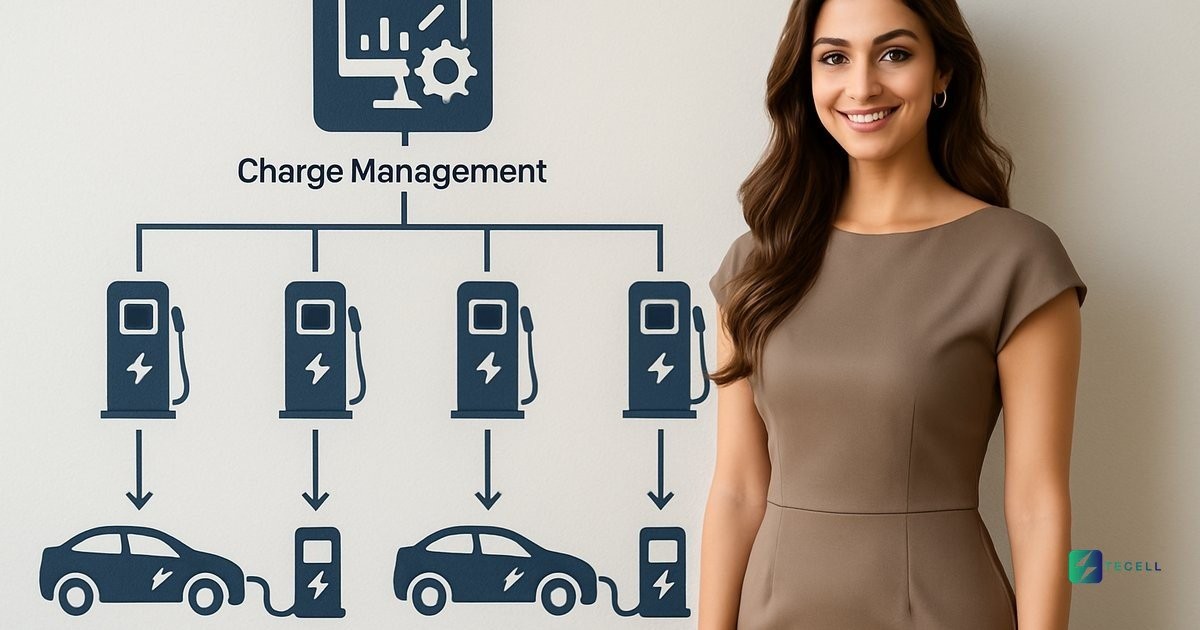
UnityCharge’s Charging Management System can enforce real-time dynamic load balancing across AC and DC chargers using OCPP 2.0.1 without cloud connectivity, while maintaining compliance with IEEE 1547 for grid interaction through local edge computing and intelligent control protocols.
How Local Control Enables Grid Compliance
UnityCharge leverages Saha-Edge platform integration to process load balancing decisions at the charging station level. This approach ensures that power distribution adheres to IEEE 1547 standards even when network connectivity is limited or unavailable. The system uses local energy management algorithms to monitor and adjust power flow in real time.
By implementing voltage regulation and frequency control mechanisms directly within the charger firmware, UnityCharge maintains grid stability without relying on cloud-based coordination. This local decision-making framework allows for immediate response to grid conditions while preserving compliance with utility interconnection requirements.
The system’s ability to operate independently during network outages ensures continuous adherence to IEEE 1547 protocols. This capability is particularly valuable in remote installations or areas with unreliable internet connectivity where maintaining regulatory compliance remains critical.
Practical Implications for Fleet Operators
Fleet operators managing multiple charging locations benefit from UnityCharge’s ability to maintain grid compliance without constant cloud communication. This feature reduces operational complexity and ensures consistent performance across diverse network environments.
For facilities with strict utility agreements, the local enforcement of IEEE 1547 standards provides confidence that power delivery meets regulatory requirements even during intermittent connectivity events. This reliability supports long-term operational planning and avoids potential penalties from non-compliance.
Operators can deploy charging infrastructure in locations where cloud connectivity is limited or expensive, knowing that load balancing and grid interaction remain fully compliant with established standards.
Related Reading
For more on related topics, see: UnityCharge CMS real-time dynamic load balancing.
Further reading: EV Charging Software Features | Tecell CMS (UnityCharge) – OCPP, Billing, Mobile
📣 Join our Telegram channel for EV charging technology insights and product updates.
Also find us on: LinkedIn · X · Bluesky · Mastodon.