
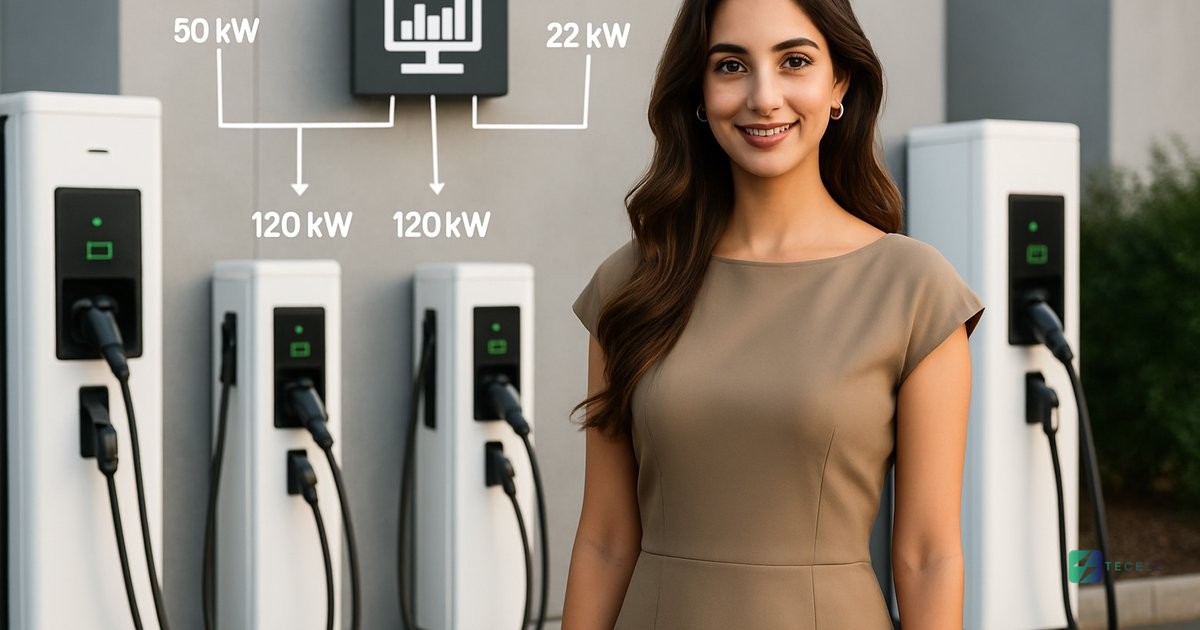
Understanding Dynamic Load Balancing Across Heterogeneous Hardware
Dynamic load balancing across heterogeneous hardware is a critical capability in modern EV charging networks. It ensures that power distribution remains efficient and stable, even when charging stations vary in capacity, technology, or operational status. This approach becomes especially important in multi-node charging environments where hardware diversity is common.
For operators managing a fleet of chargers from different manufacturers or with varying specifications, dynamic load balancing helps prevent overloading and maintains consistent performance. It also supports scalability, allowing new hardware to be integrated without disrupting existing operations.
When hardware components differ in power handling, communication protocols, or firmware versions, traditional static load management can fall short. Dynamic load balancing addresses these challenges by adapting in real time to changing conditions across the network.
This technical approach enables operators to maintain system integrity while maximizing the utilization of available infrastructure. It’s particularly valuable in commercial and fleet deployments where reliability and efficiency are paramount.
Why Dynamic Load Balancing Matters in EV Charging Networks
EV charging networks are increasingly complex, with hardware from multiple vendors and varying capabilities. Without proper load balancing, some chargers may become overloaded while others remain underutilized. This imbalance can lead to inefficiencies, equipment stress, and even safety concerns.
Dynamic load balancing ensures that power is distributed evenly across all available charging points. It takes into account real-time data such as current draw, hardware capacity, and network status to make intelligent decisions about how to allocate resources.
For example, a logistics company managing 40 vehicles with a mix of fast and slow chargers must ensure that no single station is overwhelmed. Dynamic load balancing allows the system to shift load intelligently, optimizing charging times and reducing wait periods.
This capability is essential for maintaining uptime and performance in large-scale deployments. It also supports compliance with grid regulations and helps operators meet sustainability goals by using energy more efficiently.
Key Challenges in Implementing Dynamic Load Balancing
Implementing dynamic load balancing across heterogeneous hardware presents several technical challenges. One major issue is the lack of standardized communication protocols between different charging stations. Each manufacturer may use its own method for reporting status or receiving commands.
Another challenge involves managing varying power outputs and capabilities. Some chargers may support 50 kW while others are limited to 22 kW. Balancing these differences requires a system that can interpret and respond to diverse hardware specifications.
Network latency and reliability also play a role. If communication between the central management system and individual chargers is inconsistent, the load balancing algorithm may make suboptimal decisions. Ensuring robust communication is vital for effective load distribution.
Finally, the complexity of integrating legacy systems with newer hardware adds another layer of difficulty. Operators must balance innovation with compatibility, often requiring custom solutions or middleware to bridge gaps in functionality.
Hardware Diversity and Its Impact on Load Distribution
Hardware diversity in EV charging networks introduces variability in performance and behavior. Chargers from different manufacturers may have different power conversion efficiencies, cooling systems, or control interfaces. These differences affect how they respond to load changes.
For instance, a high-capacity charger might be able to handle sudden surges in demand, while a lower-capacity unit could quickly reach its limit. Dynamic load balancing must account for these disparities to prevent failures or bottlenecks.
When a charging network includes both AC and DC units, the load balancing strategy must consider the distinct characteristics of each type. AC chargers typically have simpler control logic, whereas DC units often involve more sophisticated power electronics and thermal management.
This diversity makes it necessary to develop flexible algorithms that can adapt to a wide range of hardware configurations. The system must be able to recognize and respond to each device’s unique capabilities and limitations.
Technical Approaches to Dynamic Load Balancing
Effective dynamic load balancing relies on real-time monitoring and adaptive algorithms. These systems collect data from all connected chargers and use that information to make decisions about power distribution. The goal is to maintain optimal performance while avoiding overloads or underutilization.
One common approach involves using predictive models to anticipate demand and adjust load accordingly. By analyzing historical usage patterns, the system can prepare for peak times and distribute resources proactively.
Another method focuses on reactive adjustments based on immediate feedback. If a charger reports a high current draw, the system can reduce load on nearby units to maintain balance. This real-time response is crucial for maintaining stability in dynamic environments.
Advanced systems may also incorporate machine learning techniques to improve decision-making over time. As more data becomes available, the algorithm learns to better predict optimal load distributions and respond to anomalies.
Role of Communication Protocols in Load Balancing
Communication protocols are fundamental to enabling dynamic load balancing. They allow the central system to gather status updates and send commands to individual chargers. Without reliable communication, load balancing cannot function effectively.
OCPP (Open Charge Point Protocol) is widely used in EV charging networks. It provides a standardized way for charging stations to communicate with backend systems. This protocol supports features like remote monitoring, firmware updates, and load control.
OCPI (Open Charge Point Interface) complements OCPP by enabling roaming between different operators. It ensures that load balancing works seamlessly across networks, even when hardware is managed by separate entities.
Other protocols such as Modbus or MQTT may also be used depending on the specific requirements of the installation. The key is ensuring that all hardware can communicate effectively with the central management system.
Real-World Applications and Case Studies
A logistics company managing 40 vehicles faces a unique challenge in balancing load across a diverse set of charging stations. Some units are fast DC chargers, while others are slower AC models. The company needs to ensure that all vehicles are charged efficiently without overloading any single station.
By implementing dynamic load balancing, the company can monitor real-time usage and shift load between stations as needed. If one DC charger is nearing capacity, the system can redirect some vehicles to nearby AC units. This prevents downtime and ensures consistent service.
This scenario illustrates how dynamic load balancing supports operational flexibility. It allows the company to scale its charging infrastructure without requiring significant upfront investment in new hardware. The system adapts to changing needs automatically.
Another example involves a commercial building with multiple charging zones. Each zone has different types of chargers, and the building’s electrical capacity is limited. Dynamic load balancing ensures that the total power draw stays within safe limits while maximizing the number of vehicles that can be charged simultaneously.
Benefits of Dynamic Load Balancing for Operators
Operators benefit significantly from implementing dynamic load balancing across heterogeneous hardware. The system improves efficiency by ensuring that all chargers are utilized to their full potential. This leads to better customer satisfaction and reduced operational costs.
It also enhances reliability by preventing overloads that could damage equipment or cause outages. When hardware is managed effectively, the risk of failure decreases, and maintenance requirements are minimized.
From a business perspective, dynamic load balancing supports scalability. As new chargers are added to the network, the system can integrate them seamlessly without disrupting existing operations. This makes it easier to expand the charging infrastructure over time.
Additionally, the technology helps operators comply with grid regulations and energy management standards. It provides the tools needed to manage power consumption in a way that aligns with utility requirements and environmental goals.
Future Trends in Dynamic Load Balancing
As EV adoption continues to grow, dynamic load balancing will become even more critical. Future systems are likely to incorporate more advanced analytics and artificial intelligence to improve decision-making.
Integration with smart grid technologies will also play a role. Charging networks may become part of a larger energy ecosystem, where load balancing is coordinated with other sources of power and storage.
Another trend is the move toward edge computing. Processing data closer to the charging stations can reduce latency and improve response times. This is especially important in high-demand scenarios where quick adjustments are necessary.
Finally, increased standardization of communication protocols will make it easier to implement dynamic load balancing across diverse hardware. This will reduce complexity and improve interoperability between different systems.
Frequently Asked Questions
- What is dynamic load balancing in EV charging? Dynamic load balancing is a technique that distributes power across multiple charging stations in real time, ensuring optimal usage and preventing overloads.
- How does heterogeneous hardware affect load balancing? Different hardware types have varying capabilities, which can complicate load distribution and require adaptive algorithms to manage effectively.
- What are the main benefits of dynamic load balancing? Benefits include improved efficiency, enhanced reliability, better scalability, and compliance with energy regulations.
- Can dynamic load balancing work with older charging equipment? Yes, with proper integration and middleware, older hardware can be included in dynamic load balancing systems.
- What role do communication protocols play? Protocols like OCPP and OCPI enable communication between chargers and management systems, making dynamic load balancing possible.
Related Reading
For more on related topics, see: Chargepoint Alliance – EV Charging Interoperability.
Further reading: India’s EV Charging Infrastructure: Opportunities and Challenges | Tecell CMS Blog
📣 Join our Telegram channel for EV charging insights and product updates.
Also find us on: LinkedIn · X · Bluesky · Mastodon · DEV.to.