Understanding Edge-Cloud Co-Design for Real-Time Charging Session Management
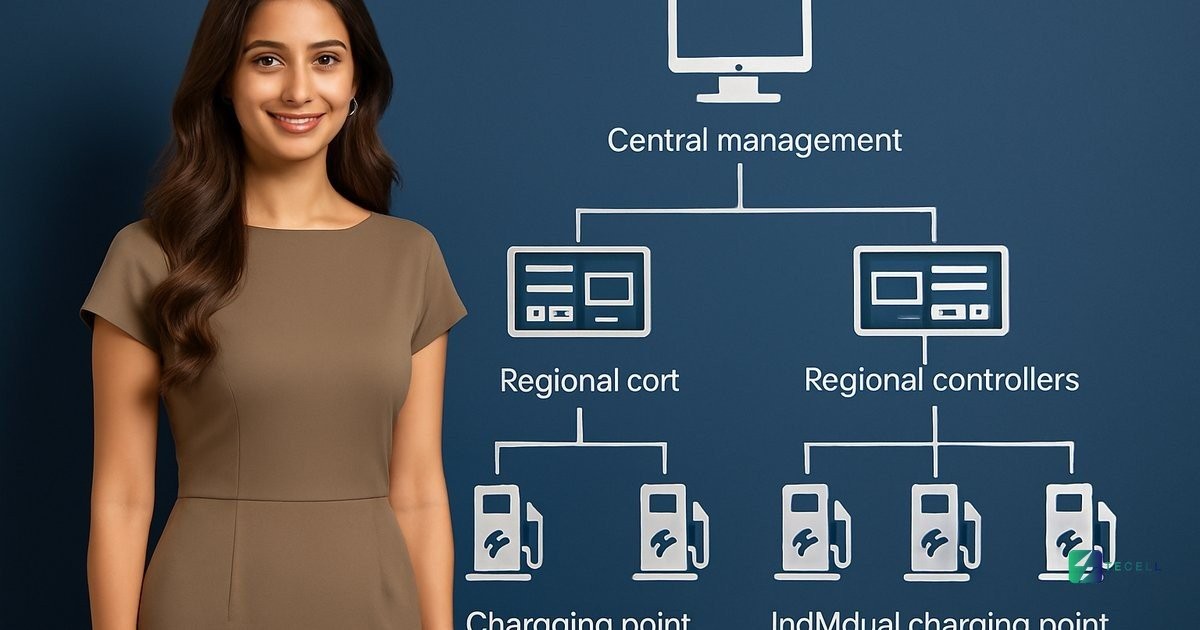
Edge-cloud co-design represents a powerful architectural approach that combines the strengths of edge computing and cloud infrastructure to manage EV charging sessions in real time. This hybrid model is particularly relevant for high-density urban networks where responsiveness, reliability, and scalability are critical. By leveraging both local processing and centralized control, systems like Saha-Edge and UnityCharge CMS work together to deliver seamless, intelligent charging experiences.
For a logistics company managing 40 vehicles, the ability to monitor and control charging sessions across multiple stations in real time can mean the difference between on-time deliveries and costly delays. This is where edge-cloud co-design becomes essential. It ensures that decisions are made quickly at the edge while maintaining centralized oversight and analytics.
The integration of edge and cloud components allows for dynamic load balancing, predictive maintenance, and intelligent energy optimization. These capabilities are especially valuable in environments where power demand fluctuates and charging infrastructure must adapt rapidly to changing conditions.
By combining local intelligence with global coordination, this architecture supports both offline operations and real-time communication, ensuring that charging networks remain functional even during network disruptions.
How Saha-Edge Enables Local Control and Offline Operation
Saha-Edge plays a crucial role in edge-cloud co-design by enabling intelligent local control of charging stations. It processes data and makes decisions directly at the point of use, reducing latency and dependency on network connectivity.
In a high-density urban setting, such as a downtown parking complex with 20 charging points, Saha-Edge ensures that each station can operate independently if the network connection is lost. This resilience is vital for maintaining service availability and user satisfaction.
Local control also allows for immediate response to events like sudden power surges or equipment malfunctions. The system can automatically adjust charging rates or shut down units to protect hardware and ensure safety.
This local processing capability is especially beneficial for fleet operators who need consistent performance across diverse environments. It reduces the risk of service interruptions due to network issues and provides a more stable user experience.
UnityCharge CMS: Centralized Management and Analytics
UnityCharge CMS serves as the central hub for managing and analyzing charging sessions across an entire network. It aggregates data from multiple edge devices and provides operators with comprehensive insights into performance, usage patterns, and system health.
For a commercial charging network, UnityCharge CMS enables operators to track energy consumption, identify underperforming units, and optimize pricing strategies. This centralized view is essential for making informed decisions about infrastructure expansion or upgrades.
The system also supports remote diagnostics and firmware updates, allowing operators to maintain their networks without physical site visits. This is particularly useful for large-scale deployments where manual intervention would be time-consuming and costly.
By combining real-time monitoring with historical data analysis, UnityCharge CMS empowers operators to predict maintenance needs and proactively address potential issues before they impact service quality.
Real-Time Charging Session Management in High-Density Networks
Managing charging sessions in high-density urban networks requires a balance between local responsiveness and centralized coordination. Edge-cloud co-design addresses this challenge by distributing processing tasks efficiently.
When a fleet of electric delivery trucks arrives at a shared charging station, the system must quickly allocate available slots and manage power distribution. Saha-Edge handles the immediate allocation, while UnityCharge CMS tracks overall network utilization and adjusts pricing or access policies as needed.
This real-time management ensures that charging stations are used efficiently and fairly. It prevents bottlenecks and reduces wait times, which is critical for maintaining user satisfaction in competitive markets.
For operators, this approach also simplifies compliance with regulatory requirements and helps meet sustainability goals by optimizing energy use and reducing waste.
Benefits of Hybrid Edge-Cloud Architecture for EV Charging
The hybrid edge-cloud architecture offers several distinct advantages for EV charging networks. First, it improves response times by processing critical decisions locally, which is essential for maintaining service quality in real-time environments.
Second, it enhances system reliability by providing redundancy. If the cloud connection fails, edge devices can continue operating independently, ensuring that charging sessions are not interrupted.
Third, it enables better resource utilization. By combining local processing with centralized analytics, operators can make more informed decisions about infrastructure investments and operational strategies.
Finally, this architecture supports scalability. As networks grow, additional edge nodes can be added without overloading the central system, maintaining performance and responsiveness.
Challenges and Solutions in Implementing Edge-Cloud Co-Design
Implementing edge-cloud co-design for EV charging networks presents several challenges. One major issue is ensuring seamless communication between edge devices and the central management system. This requires robust protocols and consistent data formats.
Another challenge is managing security across distributed systems. Each edge node must be protected against unauthorized access, while also ensuring that sensitive data is handled securely during transmission.
To address these concerns, Tecell’s solutions incorporate advanced encryption and authentication mechanisms. These features protect both the integrity of the charging process and the privacy of user data.
Additionally, the architecture must support interoperability with various charging standards and protocols. This ensures that networks can integrate with existing infrastructure and accommodate future technological advances.
Case Study: Fleet Operator Using Edge-Cloud Co-Design
A logistics company managing 40 electric delivery vehicles faced challenges with inconsistent charging times and limited visibility into network performance. By deploying Saha-Edge and UnityCharge CMS, they were able to streamline operations and improve efficiency.
The edge devices provided real-time control over individual charging sessions, while the central system offered insights into overall network utilization and energy consumption. This dual approach allowed the company to optimize vehicle scheduling and reduce downtime.
With the hybrid architecture in place, the company experienced fewer service interruptions and improved customer satisfaction. The ability to monitor and manage charging sessions remotely also reduced operational overhead.
This case demonstrates how edge-cloud co-design can transform fleet operations, making them more reliable and cost-effective in high-density urban environments.
Future Trends in Edge-Cloud Co-Design for EV Charging
As EV adoption continues to grow, the demand for intelligent charging infrastructure will increase. Edge-cloud co-design is expected to evolve to support more advanced features like vehicle-to-grid (V2G) capabilities and AI-driven optimization.
Future implementations may include predictive analytics that anticipate charging needs based on historical data and user behavior. These systems will further enhance efficiency and reduce strain on the electrical grid.
Integration with smart city initiatives will also play a role in shaping the future of edge-cloud co-design. As cities become more connected, charging networks will need to coordinate with traffic management, energy systems, and public transportation.
These developments highlight the importance of flexible, scalable architectures that can adapt to changing requirements and emerging technologies.
FAQ
- What is edge-cloud co-design in EV charging? Edge-cloud co-design combines local processing at the edge with centralized management in the cloud to enable real-time charging session management and intelligent infrastructure control.
- How does Saha-Edge support real-time charging? Saha-Edge provides local control and decision-making capabilities, allowing charging stations to operate independently and respond quickly to changes in demand or conditions.
- What role does UnityCharge CMS play in this architecture? UnityCharge CMS offers centralized management, analytics, and remote diagnostics, enabling operators to monitor and optimize their entire charging network from a single platform.
- Why is hybrid architecture important for urban networks? Urban networks require both local responsiveness and centralized oversight to handle high volumes of charging sessions efficiently and maintain service reliability.
- What are the benefits of using edge-cloud co-design for fleet operators? Fleet operators benefit from improved operational efficiency, reduced downtime, better resource utilization, and enhanced visibility into charging performance and energy usage.
Related Reading
For more on related topics, see: Edge-Cloud Co-Design for Smart Charging: Reducing Latency and Improving Load Balancing.
Further reading: EV Charging Software Features | Tecell CMS (UnityCharge) – OCPP, Billing, Mobile
📣 Join our Telegram channel for EV charging technology insights and product updates.
Also find us on: LinkedIn · X · Bluesky · Mastodon · DEV.to.