
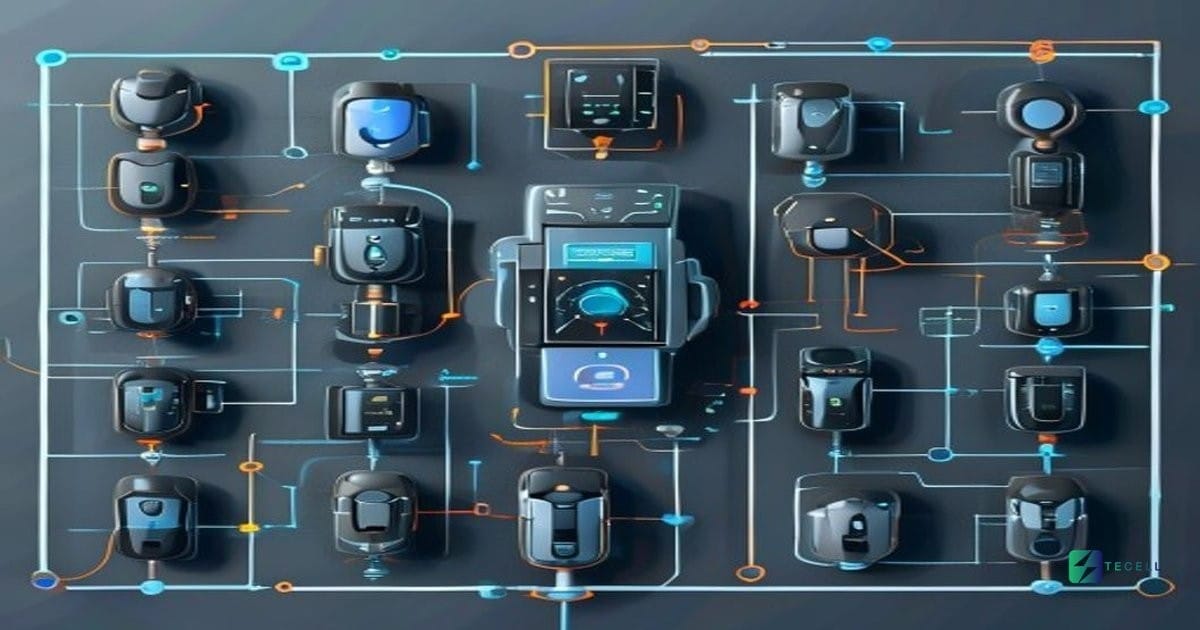
Understanding Edge-Cloud Hybrid Architecture for Real-Time Charging Analytics
Edge-cloud hybrid architecture for real-time charging analytics represents a powerful approach to managing distributed EV charging networks. This model combines the low-latency benefits of edge computing with the scalability and storage capabilities of cloud systems. The result is a system that can process critical data locally while still leveraging centralized intelligence for broader insights.
For charge point operators (CPOs), this architecture is essential when managing large networks. A logistics company managing 40 vehicles, for example, needs immediate responses to charging events. Delays in processing can lead to inefficient load balancing or missed opportunities for dynamic pricing. Edge-cloud hybrid systems ensure that decisions happen in real time without sacrificing the ability to aggregate and analyze data across the entire fleet.
This setup allows operators to maintain responsiveness while scaling operations. It’s not just about speed—it’s about making smart, informed decisions at the right level of the network. The architecture supports both immediate operational needs and long-term strategic planning.
Here’s how it works in practice: Edge devices handle local processing, such as monitoring charge status or detecting anomalies. Cloud systems then collect and analyze this data to identify trends, optimize performance, and support predictive maintenance.
Why Real-Time Charging Analytics Matter for EV Infrastructure
Real-time charging analytics are critical for modern EV infrastructure. They enable operators to respond quickly to changing conditions, such as sudden demand spikes or equipment failures. Without this capability, charging networks can become inefficient or even unusable during peak times.
Consider a large commercial building with dozens of charging stations. If one station fails or becomes overloaded, the system must react immediately to prevent service disruption. Real-time analytics allow operators to reroute traffic, alert maintenance teams, or adjust pricing to balance load.
These systems also support dynamic pricing models. When demand is high, prices can be adjusted to encourage off-peak usage. This not only improves user satisfaction but also helps operators manage grid strain and reduce costs.
By processing data locally, edge computing ensures that these decisions happen in milliseconds rather than seconds. This responsiveness is vital for maintaining a smooth user experience and operational efficiency.
How Edge-Cloud Hybrid Architecture Works in Practice
The edge-cloud hybrid model operates by distributing processing tasks between local edge nodes and centralized cloud servers. Edge nodes are typically located at or near the charging stations themselves. They perform immediate data processing, such as monitoring charge status, detecting faults, or enforcing access controls.
Cloud systems collect and aggregate data from multiple edge nodes. This allows for deeper analysis, including predictive modeling, trend identification, and long-term planning. The cloud also serves as a central hub for managing policies, updating software, and coordinating actions across the entire network.
This division of labor ensures that critical decisions are made quickly, while less urgent tasks are handled efficiently in the background. It also provides redundancy—when an edge node fails, the cloud can step in to maintain operations.
For example, a fleet manager overseeing 100 charging points might use edge devices to monitor each station’s performance in real time. If a fault is detected, the edge node immediately alerts the operator. Meanwhile, the cloud analyzes usage patterns to suggest optimal scheduling or identify underperforming equipment.
Benefits of Local Processing in EV Charging Networks
Local processing at the edge offers several key advantages for EV charging networks. First, it reduces latency significantly. In a system where every second counts, such as during peak charging times, local processing ensures that decisions are made instantly.
Second, it improves reliability. If network connectivity is lost, edge devices can continue operating independently. This resilience is crucial for maintaining service availability, especially in remote or unreliable locations.
Third, it reduces bandwidth usage. By processing data locally, only essential information needs to be sent to the cloud. This is particularly important for networks with limited internet access or high data costs.
Finally, local processing supports compliance with data privacy regulations. Sensitive information, such as user behavior or payment details, can be processed and stored locally, minimizing exposure to external threats.
Challenges in Implementing Edge-Cloud Hybrid Systems
Implementing an edge-cloud hybrid architecture for real-time charging analytics is not without challenges. One major issue is ensuring seamless communication between edge and cloud components. This requires robust protocols and consistent data formats.
Another challenge is managing security across both layers. Edge devices are often more vulnerable to physical tampering or cyberattacks. Ensuring that both edge and cloud systems are secure requires careful planning and ongoing monitoring.
Scalability is also a concern. As networks grow, the system must be able to handle increasing amounts of data and processing tasks. This means designing systems that can scale efficiently without compromising performance.
Finally, there’s the complexity of integration. Many existing charging networks were built with traditional architectures. Migrating to an edge-cloud hybrid model requires careful planning and often involves retrofitting older systems.
Best Practices for Managing Edge-Cloud Integration
To successfully implement edge-cloud hybrid systems, operators should start with a clear understanding of their network’s needs. This includes identifying which tasks are best handled locally and which require centralized processing.
Standardizing communication protocols is also essential. Using open standards like OCPP or OCPI helps ensure compatibility between different devices and platforms. This makes it easier to integrate new components or scale the system in the future.
Security must be built into the system from the beginning. This includes secure boot processes, encrypted communications, and regular updates. Operators should also consider using edge gateways that can isolate sensitive data and provide additional protection.
Finally, continuous monitoring and optimization are key. Real-time analytics should not only detect problems but also suggest improvements. Regular reviews of system performance help operators refine their approach and adapt to changing conditions.
Real-World Applications and Case Studies
Real-world applications of edge-cloud hybrid architecture are already showing significant benefits. A large university campus with over 200 charging stations uses this model to manage demand and optimize energy usage. During peak hours, edge devices quickly respond to charging requests, while the cloud analyzes overall usage to plan for future expansion.
Another example is a logistics company that operates a fleet of 40 electric delivery vehicles. Their charging network uses edge computing to monitor each vehicle’s status and adjust charging schedules based on delivery schedules. The cloud then provides insights into energy consumption and helps optimize routes to reduce charging time.
These examples demonstrate how edge-cloud hybrid systems can improve efficiency, reduce costs, and enhance user experience. They also show that the architecture is scalable and adaptable to different types of networks.
By combining local processing with centralized intelligence, these systems offer a flexible and powerful solution for modern EV charging infrastructure. They support both immediate operational needs and long-term strategic goals.
Future Trends in Edge-Cloud Charging Systems
As EV adoption continues to grow, so will the demand for more sophisticated charging systems. Edge-cloud hybrid architectures are expected to evolve to support even more complex operations, including vehicle-to-grid (V2G) capabilities and smart grid integration.
Artificial intelligence and machine learning will play an increasingly important role. These technologies can help predict demand, optimize charging schedules, and improve overall system performance. They also enable more personalized user experiences, such as recommending charging stations based on real-time availability.
Another trend is the move toward more modular and customizable systems. Operators will be able to choose components that best fit their specific needs, whether that’s for a small residential network or a large commercial installation.
The future of edge-cloud hybrid systems lies in their ability to adapt and grow with the changing landscape of EV infrastructure. As new technologies emerge, these systems will continue to evolve to meet the needs of operators and users alike.
FAQ
What is edge-cloud hybrid architecture for real-time charging analytics?
Edge-cloud hybrid architecture combines local edge computing with centralized cloud processing to enable fast, intelligent decision-making in EV charging networks. It allows for immediate responses to charging events while still leveraging cloud systems for deeper analysis and long-term planning.
How does edge computing improve charging network performance?
Edge computing reduces latency by processing data locally, which is essential for real-time responses. It also improves reliability by maintaining operations even when network connectivity is lost. This ensures that charging stations remain functional and responsive under all conditions.
What are the main benefits of using edge-cloud hybrid systems in EV charging?
Benefits include faster response times, improved reliability, reduced bandwidth usage, and better data privacy. These systems also support dynamic pricing, predictive maintenance, and scalable growth, making them ideal for large or complex charging networks.
Can existing charging networks be upgraded to use edge-cloud hybrid architecture?
Yes, many existing networks can be upgraded to support edge-cloud hybrid systems. This often involves adding edge devices or gateways to existing infrastructure. The key is to plan for integration and ensure compatibility with current systems.
What challenges should operators expect when implementing this architecture?
Operators may face challenges related to communication protocols, security, scalability, and integration with legacy systems. Addressing these issues requires careful planning, standardization, and ongoing monitoring to ensure smooth operation.
Related Reading
For more on related topics, see: EV Charging Solution | Cloud-Based EV Charging Management.
Further reading: UnityCharge Pricing – EV Charging Plans
📣 Join our Telegram channel for EV charging technology insights and product updates.
Also find us on: LinkedIn · X · Bluesky · Mastodon · DEV.to.