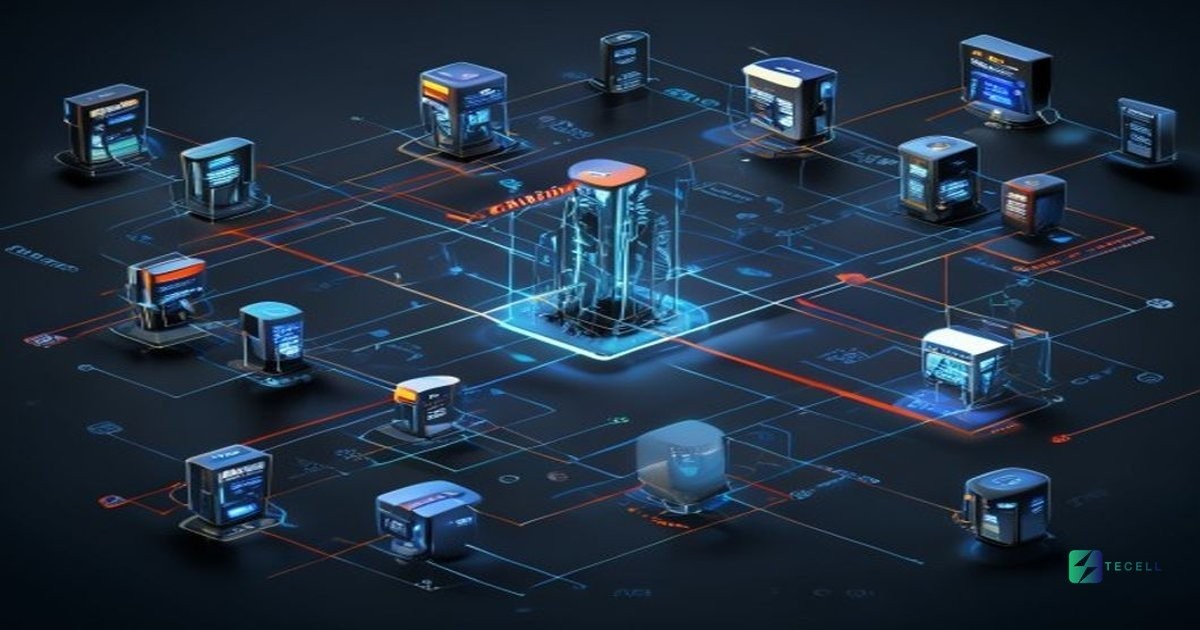
A Charging Management System (CMS) prevents duplicate session IDs in hybrid OCPP 1.6J and OCPP 2.0.1 networks by maintaining a real-time registry of active sessions, validating session IDs against this registry before accepting new connections, and implementing unique session ID generation logic that accounts for protocol differences between OCPP versions.
How session ID validation works in practice
In a hybrid network, the CMS must track session IDs across both OCPP 1.6J and OCPP 2.0.1 protocols, which generate session IDs differently. The system maintains a centralized session registry that maps session IDs to charging stations and connection states. When a new session starts, the CMS checks this registry to ensure no active session exists with the same ID. If a conflict is detected, the CMS rejects the new session and logs the event for further review.
This process is especially critical in environments where legacy and modern chargers coexist. For example, a fleet operator managing a network with both older and newer charging hardware must ensure that a session initiated on an OCPP 1.6J charger doesn’t inadvertently conflict with a session on an OCPP 2.0.1 charger, even if they share the same session ID value.
What this means for charge point operators
For Charge Point Operators (CPOs), duplicate session ID detection ensures accurate billing and prevents operational errors. If a CMS fails to detect duplicates, it may record incorrect transaction data, leading to disputes or revenue loss. The CMS must also handle cases where a session ID is reused after a session ends, ensuring that the system doesn’t mistakenly treat a new session as a duplicate of a previously closed one.
Operators managing large networks benefit from CMS features that log and alert on duplicate ID events. These logs help identify potential hardware or software issues in chargers, such as improper session cleanup or firmware bugs. In some cases, duplicate detection can also flag unauthorized access attempts or system misconfigurations that require immediate attention.
Related Reading
For more on related topics, see our previous post: How Tecell’s CMS handles OCPP 2.0.1 firmware updates.
📣 Join our Telegram channel for EV charging technology insights and product updates.
Also find us on: LinkedIn · X · Bluesky · Mastodon · DEV.to.