
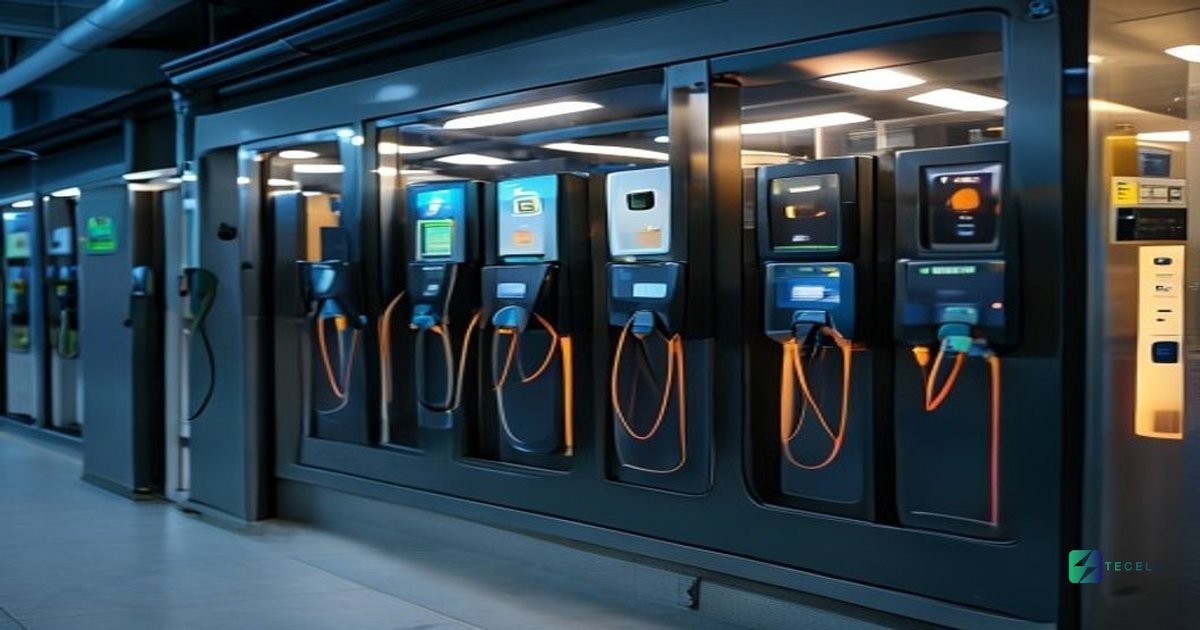
How Machine Learning Models Enable Predictive Fault Detection in Rectifier Modules
Machine learning models are transforming how EV charging infrastructure operates. In particular, they’re enabling predictive fault detection in rectifier modules of DC fast charging cabinets. This technology helps operators avoid costly downtime and maintain high service availability. The focus here is on how these systems work, why they matter, and what real-world impact they have.
Rectifier modules are critical components in DC fast charging systems. They convert AC power from the grid into DC power that EVs can charge from. When these modules fail, it can halt charging operations entirely. Traditional monitoring systems often detect failures only after they’ve occurred. Machine learning models change that by identifying early warning signs before a failure happens.
For example, a logistics company managing 40 electric delivery vehicles might rely on a fleet of DC fast chargers. If one of the rectifier modules fails without warning, it could delay dozens of vehicle charges. Predictive models can flag unusual patterns in voltage, current, or temperature data, allowing operators to replace parts proactively.
What Are Rectifier Modules and Why Do They Matter?
Rectifier modules are the heart of DC fast charging systems. They handle the conversion of alternating current (AC) from the power grid into direct current (DC) that electric vehicles can use. These modules are under constant stress, especially during high-load charging sessions.
Because of this, they’re prone to wear and failure. Common issues include overheating, component degradation, and electrical surges. These failures can be costly and disruptive, especially in commercial or public charging networks.
Traditional maintenance approaches rely on reactive fixes. Operators wait for a failure to occur before taking action. This approach is inefficient and can lead to extended outages. Machine learning models offer a better alternative by predicting when failures are likely to occur.
How Machine Learning Models Work in Predictive Maintenance
Machine learning models analyze historical and real-time data from sensors embedded in rectifier modules. These sensors monitor parameters like voltage, current, temperature, and power consumption. The models learn from this data to identify patterns that precede failures.
For instance, a model might detect that a module’s temperature rises faster than normal during certain charging cycles. This could be a sign of an impending issue. The system then alerts operators to investigate, even before any visible symptoms appear.
The key is that these models are trained on large datasets. They learn to distinguish between normal operation and abnormal behavior. This allows them to flag anomalies that human operators might miss.
Real-Time Monitoring and Anomaly Detection
Real-time monitoring is essential for predictive fault detection. It allows systems to respond quickly to changes in module performance. Machine learning models process this data continuously, looking for deviations from expected behavior.
For example, a charging station operator might monitor 100 rectifier modules across multiple locations. Each module sends data every few seconds. The system compares this data to historical norms and flags any unusual activity.
This kind of monitoring is especially valuable in high-usage environments. A busy urban charging hub sees frequent, high-power charging sessions. Any failure in such a system can affect many users. Real-time detection helps prevent cascading issues.
Benefits of Predictive Fault Detection for Charging Infrastructure
Predictive fault detection brings several clear benefits to EV charging infrastructure. First, it reduces unplanned downtime. When failures are caught early, repairs can be scheduled during low-usage times.
Second, it lowers maintenance costs. Instead of replacing parts proactively across an entire fleet, operators can target only the modules showing signs of trouble. This precision saves both time and money.
Third, it improves user experience. Customers expect reliable charging. Predictive systems help ensure that charging stations remain operational and available.
Challenges in Implementing Machine Learning for Charging Systems
Implementing machine learning models in charging infrastructure isn’t without challenges. One major issue is data quality. Sensors must be accurate and reliable. If the data is noisy or incomplete, the models will struggle to detect real patterns.
Another challenge is model training. It takes time and expertise to build models that work well in real-world conditions. The models must be robust enough to handle variations in usage, environment, and hardware.
Finally, there’s the question of integration. Existing charging systems may not be designed to support real-time data collection or model deployment. Upgrading infrastructure to support these features can be complex and costly.
Case Study: A Fleet Operator’s Experience
A logistics company managing 40 electric delivery vehicles faced frequent charging delays due to rectifier module failures. These failures were often unexpected, causing disruptions in their delivery schedules.
After implementing a machine learning-based predictive system, the company saw a significant reduction in unplanned outages. The system flagged potential issues before they caused failures, allowing for timely maintenance.
The result was improved fleet reliability and fewer delays. The company also reduced maintenance costs by focusing repairs only on modules showing early warning signs.
Future Trends in Predictive Maintenance for EV Charging
As EV adoption grows, so does the need for smarter charging infrastructure. Machine learning models will become even more important in managing large networks of charging stations.
Future systems may incorporate more advanced AI techniques, such as deep learning or reinforcement learning. These could improve prediction accuracy and reduce false alarms.
Additionally, integration with broader smart grid systems will allow for better load management. Charging stations could adjust their power usage based on grid conditions, further optimizing performance.
Conclusion: The Role of Machine Learning in Charging Infrastructure
Machine learning models are revolutionizing how rectifier modules in DC fast charging cabinets are monitored and maintained. They offer a proactive approach to fault detection, reducing downtime and improving reliability.
For operators, this means fewer disruptions and lower maintenance costs. For users, it means more consistent access to charging services. As the technology evolves, it will play an even larger role in the future of EV infrastructure.
By adopting predictive maintenance strategies, charging networks can stay ahead of potential issues. This is especially important as the number of EVs and charging stations continues to grow.
Frequently Asked Questions
How does machine learning detect faults in rectifier modules?
Machine learning models analyze real-time data from sensors monitoring voltage, current, and temperature. They compare this data to historical patterns to identify anomalies that may indicate a fault.
What are the main advantages of predictive fault detection?
It reduces unplanned downtime, lowers maintenance costs, and improves user experience by ensuring charging stations remain operational.
Can predictive models work with older charging systems?
Yes, but integration may require upgrades to data collection and processing capabilities. Older systems may need retrofitting to support real-time monitoring.
How accurate are these predictive models?
Accuracy depends on data quality and model training. Well-trained models can detect early warning signs with high reliability, though no system is 100% accurate.
What kind of data do these models use?
They use data from sensors measuring electrical parameters like voltage, current, and temperature. Some models also consider environmental factors and usage patterns.
Related Reading
For more on related topics, see our previous post: How Tecell Supports Plug-and-Play NACS Configuration.
📣 Join our Telegram channel for EV charging technology insights and product updates.
Also find us on: LinkedIn · X · Bluesky · Mastodon · DEV.to.