
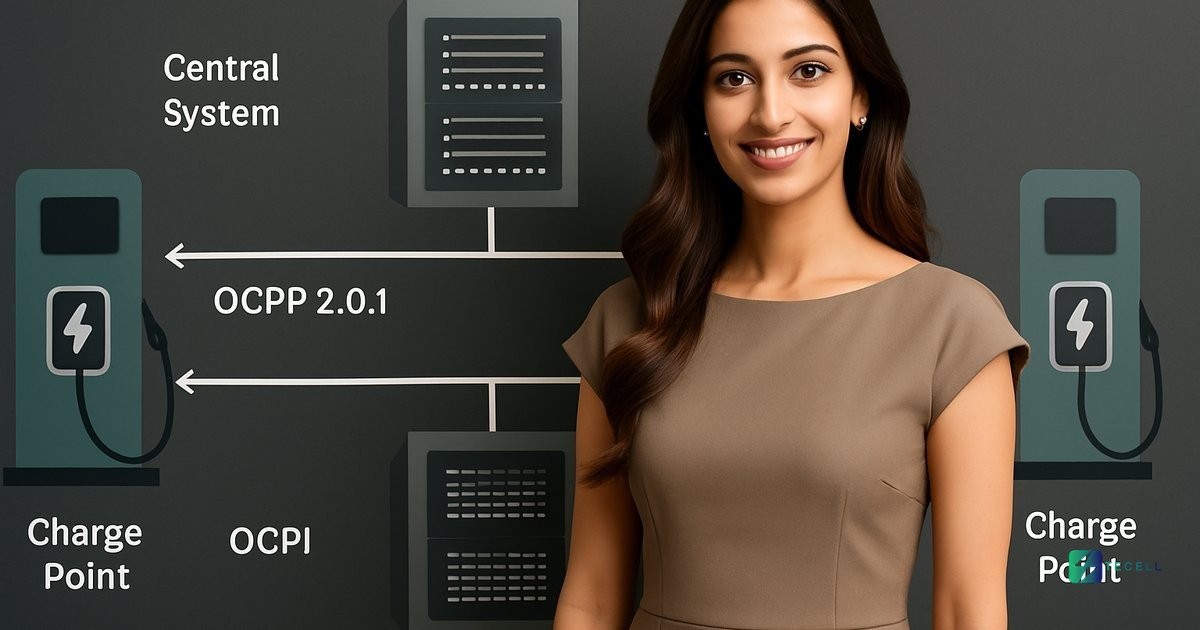
Yes, OCPP 2.0.1 can be used with Saha-Edge to implement real-time battery cooling optimization strategies that dynamically adjust fan speed and thermal management based on battery temperature and charge rate without requiring cloud connectivity. This is enabled through edge-AI capabilities that process sensor data locally and make immediate control decisions.
How It Works in Practice
Saha-Edge’s edge computing platform processes live data from battery management systems and environmental sensors directly at the charging station. The system uses machine learning models trained to predict thermal behavior based on charge rate, ambient temperature, and battery state. These models run locally, enabling immediate adjustments to cooling mechanisms such as fan speed or airflow without waiting for cloud-based processing.
This approach ensures minimal latency in response to thermal changes, which is critical during high-power charging sessions. The local processing also maintains compliance with data privacy regulations by avoiding unnecessary data transmission to external servers.
OCPP 2.0.1’s enhanced messaging capabilities support the exchange of detailed thermal metrics and control commands between the charger and the charging management system, even when operating in offline or low-connectivity modes.
What This Means for Charging Operations
For Charge Point Operators (CPOs), this capability significantly improves the longevity and safety of electric vehicle batteries. By preventing overheating during fast charging, the system reduces the risk of thermal runaway and extends battery life. It also minimizes the need for manual intervention or remote diagnostics, especially in remote or low-bandwidth locations.
Operators benefit from reduced maintenance costs and improved uptime. The system’s ability to function autonomously means that even if network connectivity is lost, charging operations continue safely and efficiently. This is particularly valuable for fleet operators or commercial deployments where consistent performance is essential.
Additionally, the integration of AI-driven thermal management aligns with sustainability goals by optimizing energy use and reducing wear on charging infrastructure components.
Related Reading
For more on related topics, see: OCPP 2.0.1 Dynamic Power Adjustment During Session.
Further reading: CMS-Based Energy Management for EV Charging: OCPP Smart Charging in India | Tecell CMS Blog
📣 Join our Telegram channel for EV charging technology insights and product updates.
Also find us on: LinkedIn · X · Bluesky · Mastodon · DEV.to.