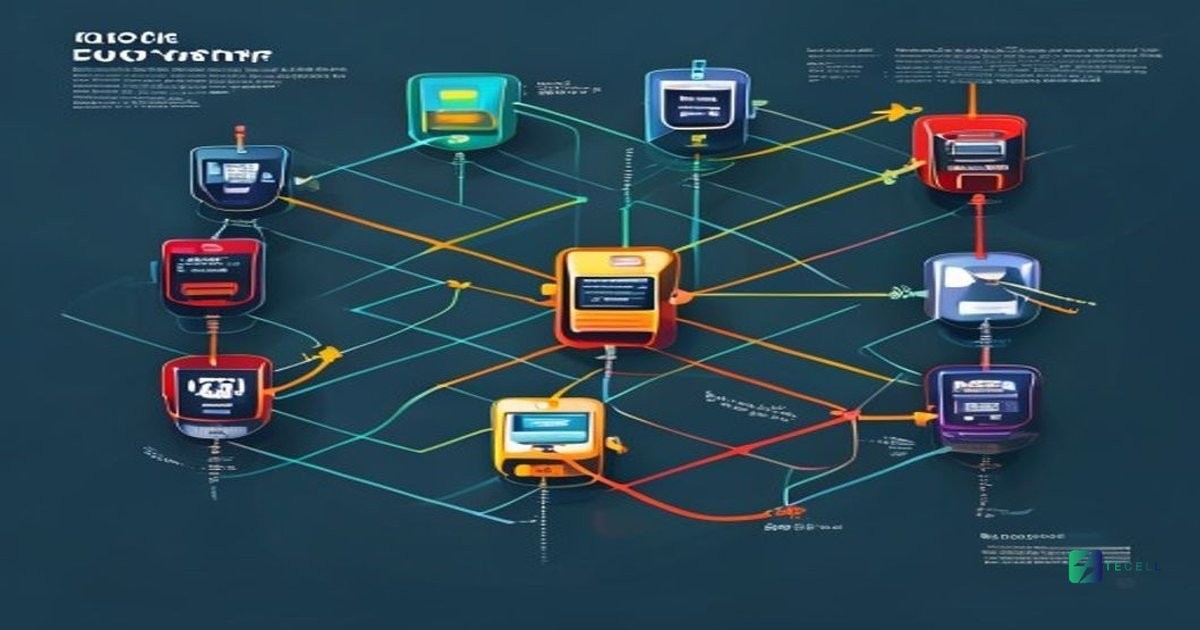
Yes, OCPP 2.0.1 can be used to implement real-time failed payment recovery workflows for individual charging sessions without cloud connectivity using Saha-Edge’s edge-AI capabilities. The protocol’s session-level messaging and event handling, combined with Saha-Edge’s local processing and AI-driven decision-making, enable immediate retries, alternative payment methods, and session state management directly at the charger level.
How It Works in Practice
The process begins when a payment attempt fails during an active charging session. Saha-Edge’s edge-AI engine immediately detects the failure through OCPP 2.0.1’s status notifications and transaction events. It then evaluates the failure reason—such as declined card, insufficient balance, or expired token—and triggers a recovery workflow locally. This includes attempting to retry the payment with stored credentials, offering alternative payment methods, or even initiating a manual override if needed.
These actions happen within the charger’s local environment, without requiring a connection to the cloud. The system maintains session integrity and logs all recovery attempts for later reconciliation. This approach ensures minimal disruption to the user experience and reduces reliance on network availability for critical payment functions.
What This Means for Charge Point Operators
For Charge Point Operators (CPOs), this capability significantly improves revenue recovery and reduces disputes. By handling failed payments at the point of service, CPOs avoid situations where a session ends due to payment issues but the user is unaware or unable to resolve the issue immediately. Saha-Edge’s local intelligence also allows for smarter handling of recurring payments, such as those used in fleet or enterprise charging, where consistent billing is essential.
This real-time recovery mechanism also enhances customer trust. Users see their sessions continue seamlessly, even if a payment initially fails. It reduces the need for manual intervention and support tickets, lowering operational overhead while maintaining service quality. The system’s ability to learn from past failures further improves its effectiveness over time.
Related Reading
For more on related topics, see: OCPP 2.0.1 Dynamic Power Adjustment During Session.
Further reading: EV Charging Software Features | Tecell CMS (UnityCharge) – OCPP, Billing, Mobile
📣 Join our Telegram channel for EV charging technology insights and product updates.
Also find us on: LinkedIn · X · Bluesky · Mastodon · DEV.to.