
Understanding Plug & Charge vs Static Authentication in EV Charging
When it comes to EV charging, the way users authenticate and connect to charging stations significantly impacts both security and convenience. In multi-tenant fleet environments, this becomes even more critical. The debate between Plug & Charge and Static Authentication often centers on how these methods affect user experience and system integrity. ISO 15118, the international standard for electric vehicle communication, plays a pivotal role in shaping how these authentication methods function in real-world deployments.
Plug & Charge and Static Authentication are two distinct approaches to user identity verification in EV charging. Plug & Charge allows users to simply plug in their vehicle and start charging without needing to enter credentials or use a separate app. Static Authentication, on the other hand, requires users to authenticate through a digital interface before charging begins. Each method has its own set of advantages and challenges, especially in complex environments like fleet operations.
For fleet operators managing multiple vehicles across different locations, choosing the right authentication method can influence everything from operational efficiency to user satisfaction. The standardization efforts of ISO 15118 aim to streamline these processes, but implementation varies widely depending on infrastructure and vendor support.
What Is Plug & Charge and How Does It Work?
Plug & Charge is a method of authentication that enables seamless connection between an electric vehicle and a charging station. It relies on digital certificates stored in the vehicle’s onboard unit and the charging station’s communication system. Once a vehicle is plugged in, the system automatically verifies the identity of the vehicle and authorizes charging without requiring user interaction.
This approach significantly reduces friction for users. Instead of entering a PIN or logging into an app, drivers simply connect their vehicle and begin charging. It’s particularly useful in environments where frequent use is expected, such as logistics companies or shared mobility services.
For example, a logistics company managing 40 vehicles across multiple depots might benefit from Plug & Charge because it allows drivers to start charging without delays or the need for additional steps. This can improve turnaround times and reduce operational overhead.
Static Authentication: The Traditional Approach
Static Authentication requires users to authenticate before charging begins. This typically involves entering a code, scanning a QR, or logging into a mobile app. While it offers more control over access, it also introduces potential points of failure and user friction.
In fleet environments, static authentication can be useful for tracking usage or enforcing policies. For instance, a company might want to ensure that only authorized personnel can charge specific vehicles. However, this method can slow down the charging process, especially during peak usage times.
Static authentication also requires more robust backend systems to manage user credentials and logs. It’s a more manual process, which can lead to errors or inconsistencies in multi-tenant setups where different users or teams share the same charging infrastructure.
How ISO 15118 Standardizes EV Communication
ISO 15118 is the international standard that governs communication between electric vehicles and charging stations. It defines how vehicles and charging infrastructure exchange information, including authentication, payment, and energy management.
The standard supports both Plug & Charge and Static Authentication, but it’s designed to make Plug & Charge the default, more secure, and user-friendly option. This is especially important in multi-tenant environments where security and ease of use are paramount.
By adhering to ISO 15118, charging networks can ensure interoperability across different vendors and systems. This is crucial for fleet operators who may use charging stations from various providers, as it allows for consistent user experiences regardless of the infrastructure.
Security Implications of Plug & Charge vs Static Authentication
Security is a major concern in any charging environment, especially when multiple users or tenants are involved. Plug & Charge uses digital certificates to verify identity, which is inherently more secure than static methods that rely on passwords or codes.
With Plug & Charge, the authentication process is handled at the vehicle and charging station level, reducing the risk of credential theft or misuse. Static Authentication, while still secure, is more vulnerable to human error or unauthorized access if credentials are not properly managed.
In a multi-tenant fleet setup, Plug & Charge ensures that only vehicles with valid certificates can charge, minimizing the risk of unauthorized use. This is particularly important for companies that manage sensitive or high-value assets.
User Experience in Multi-Tenant Fleet Environments
Multi-tenant fleet environments present unique challenges for user experience. When multiple teams or users share the same charging infrastructure, the system must balance convenience with control.
Plug & Charge excels in these environments because it eliminates the need for user interaction at the charging point. Drivers can simply plug in and go, which is especially beneficial in high-traffic areas or during shift changes.
For example, a fleet of delivery vehicles operating in a shared facility might use Plug & Charge to reduce bottlenecks at charging stations. This allows for faster turnover and more predictable scheduling, which is essential for logistics operations.
Challenges in Implementing Plug & Charge
Despite its benefits, Plug & Charge is not without challenges. One of the main hurdles is the need for widespread adoption of ISO 15118-compliant systems. Not all charging stations or vehicles support this standard, which can limit its effectiveness.
Additionally, the setup process for digital certificates can be complex, especially for fleet operators who manage a large number of vehicles. Ensuring that all vehicles are properly certified and that the charging infrastructure is updated can be a significant undertaking.
Some organizations may also face resistance from users who are accustomed to static authentication methods. Training and communication are essential to ensure smooth adoption of new technologies.
Benefits of Static Authentication in Controlled Environments
Static Authentication still has its place, particularly in environments where strict control is required. For example, in corporate settings or government facilities, administrators may want to track who is charging which vehicle and when.
This method also allows for more granular access control. Users can be granted specific permissions or time-based access, which is useful for managing shared resources or enforcing policies.
While it may introduce friction, static authentication can be a better fit for environments where compliance or audit trails are critical. It also provides a fallback option when Plug & Charge systems are not available or functional.
Choosing the Right Authentication Method for Your Fleet
Selecting between Plug & Charge and Static Authentication depends on several factors, including the size of the fleet, the level of control required, and the user experience goals. For large-scale operations, Plug & Charge is often the preferred choice due to its efficiency and security.
However, smaller fleets or those with strict compliance needs may find static authentication more suitable. The decision should also consider the infrastructure already in place and the willingness of users to adopt new technologies.
Ultimately, the best approach is often a hybrid model that combines the strengths of both methods. This allows for flexibility while maintaining security and usability.
Future Trends in EV Charging Authentication
As EV adoption grows, so does the need for more advanced authentication methods. Future developments in ISO 15118 and related standards are likely to focus on improving interoperability and user experience.
Emerging technologies such as AI and machine learning may also play a role in enhancing authentication processes. These tools could help predict usage patterns or detect anomalies in charging behavior, further improving security and efficiency.
For fleet operators, staying ahead of these trends is essential. Investing in systems that support Plug & Charge and ISO 15118 compliance will position them for long-term success in the evolving EV landscape.
Conclusion: Balancing Security, Convenience, and Scalability
Plug & Charge and Static Authentication each offer distinct advantages in EV charging environments. Plug & Charge provides a seamless, secure experience that’s ideal for large-scale fleet operations, while Static Authentication offers more control and auditability for regulated environments.
With the support of ISO 15118, both methods are becoming more standardized and accessible. Fleet operators must carefully evaluate their needs and choose the approach that best aligns with their operational goals and user expectations.
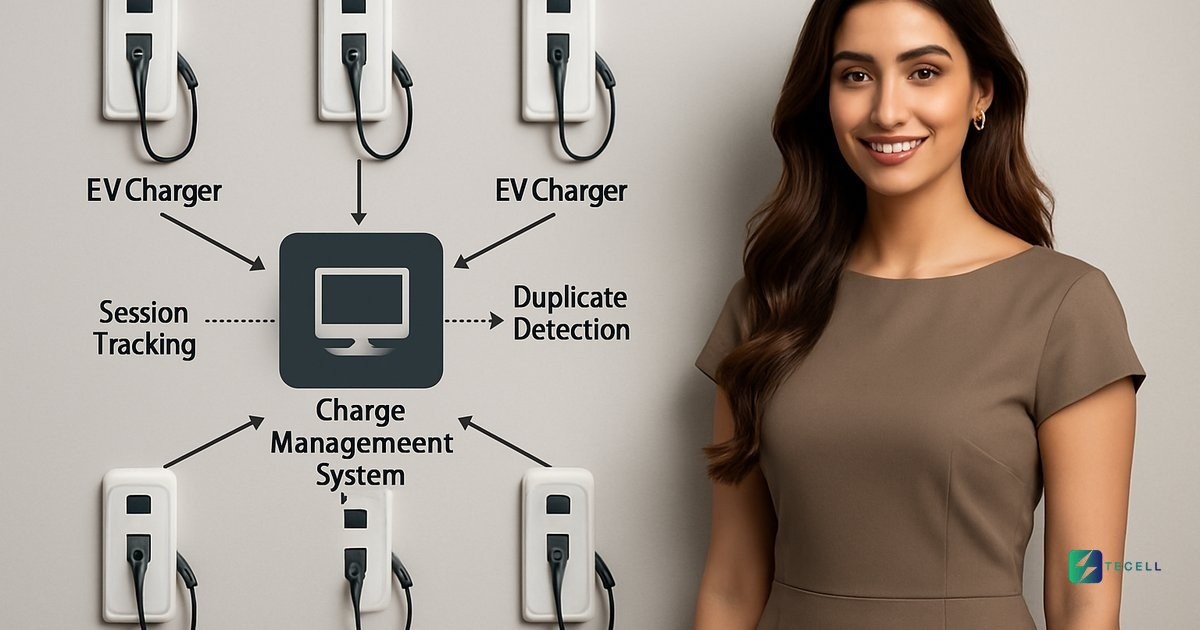
As the EV ecosystem continues to evolve, the integration of these authentication methods into broader charging management systems will be key to delivering efficient, secure, and user-friendly experiences.
Related Reading
For more on related topics, see: Plug & Charge vs Traditional Authentication: How ISO 15118 Enables Seamless User Experience in Multi-Tenant Charging Environments.
Further reading: EV Charge Management Software Global | Europe, UK, US | Tecell CMS
📣 Join our Telegram channel for EV charging technology insights and product updates.
Also find us on: LinkedIn · X · Bluesky · Mastodon · DEV.to.