Understanding Real-Time Dynamic Power Scheduling in EV Charging
Real-time dynamic power scheduling is a critical capability for modern EV charging networks. It allows charging infrastructure to adjust power delivery based on real-time conditions like grid load, energy prices, and demand. This flexibility is especially important in multi-protocol environments where different charging standards and systems must work together seamlessly.
For operators managing complex networks, the ability to schedule power dynamically ensures efficient resource use, avoids overloading local grids, and supports integration with renewable energy sources. Saha-Edge, Tecell’s edge computing platform, plays a central role in enabling this functionality through its co-design approach that combines edge and cloud capabilities.
This post explores how Saha-Edge’s architecture supports real-time dynamic power scheduling in multi-protocol charging networks using local AI and OCPP 2.0.1 compliance.
What Is Saha-Edge and How Does It Fit Into EV Charging Infrastructure?
Saha-Edge is Tecell’s edge computing platform designed to bring intelligent control and automation directly to charging stations. Unlike traditional centralized systems, it processes data locally, reducing latency and enabling faster decision-making.
By placing computing power closer to the point of use, Saha-Edge ensures that charging operations can respond quickly to changing conditions—such as sudden spikes in demand or fluctuations in renewable energy output—without relying on cloud connectivity.
This proximity to the charging point also enhances security and reliability. Even if network connectivity is lost, the system continues to operate based on pre-defined rules and local intelligence.
The Role of Local AI in Charging Network Optimization
Local AI within Saha-Edge enables intelligent decision-making at the edge. It processes sensor data, usage patterns, and environmental inputs to optimize charging behavior in real time.
For example, when a fleet operator manages 40 electric delivery vehicles, local AI can predict peak charging times and adjust power distribution accordingly. This prevents grid overload and ensures that vehicles are charged efficiently.
The AI models are trained to recognize patterns in energy consumption and can adapt to new conditions autonomously. This makes the system more resilient and responsive than static scheduling methods.
OCPP 2.0.1 Compliance and Its Impact on Multi-Protocol Networks
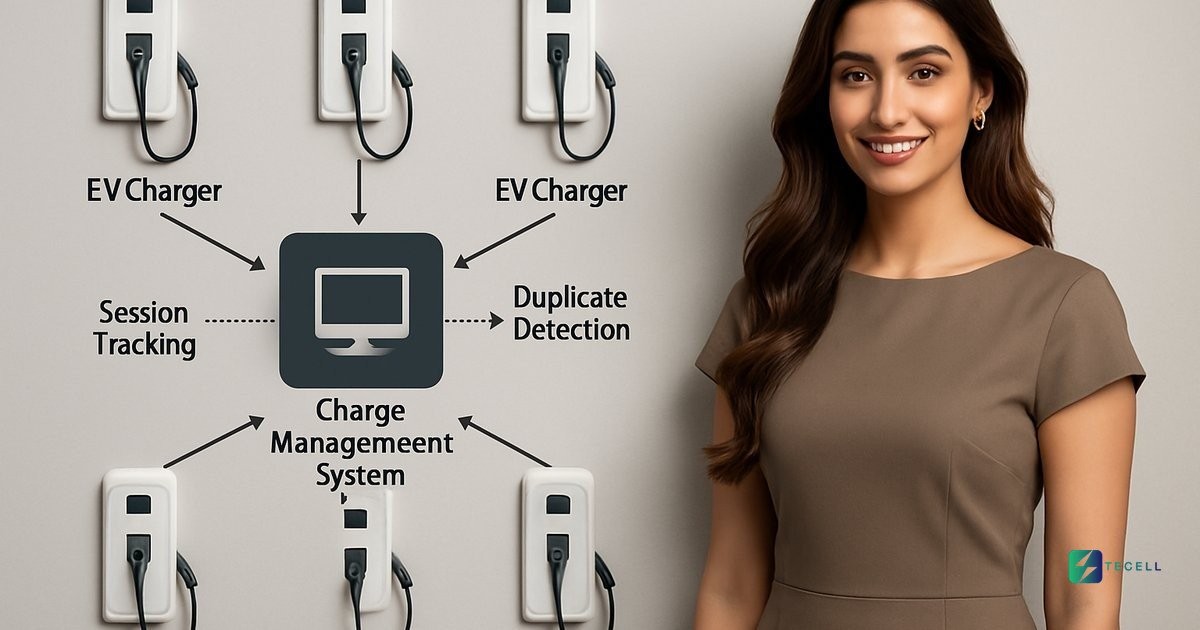
OCPP 2.0.1 is the latest version of the Open Charge Point Protocol, which standardizes communication between charging stations and charging management systems. It supports advanced features like remote firmware updates, enhanced security, and dynamic power scheduling.
With Saha-Edge, charging stations can fully comply with OCPP 2.0.1, ensuring compatibility across different vendors and platforms. This is essential for multi-protocol networks where interoperability is key.
Operators benefit from a unified interface that allows them to manage diverse charging hardware under one system, simplifying operations and reducing complexity.
Edge-Cloud Co-Design: Balancing Local Control and Centralized Intelligence
Saha-Edge uses an edge-cloud co-design approach that balances local responsiveness with centralized oversight. The edge layer handles immediate decisions, while the cloud layer provides broader analytics and long-term planning.
This hybrid model ensures that critical functions like power scheduling happen instantly, while less urgent tasks—such as reporting or predictive maintenance—are managed centrally.
For instance, a utility company deploying charging infrastructure across a city can use the edge layer for real-time load balancing and the cloud for analyzing usage trends and optimizing future deployments.
Practical Example: A Logistics Company Managing 40 Electric Delivery Vehicles
A logistics company operating 40 electric delivery vehicles faces challenges in managing charging during peak hours. Without dynamic scheduling, all vehicles might attempt to charge simultaneously, causing grid instability.
With Saha-Edge, the company can implement a smart charging strategy that spreads out charging times and adjusts power levels based on real-time grid conditions. The local AI learns from past behavior and adapts to new patterns, ensuring efficient and stable operations.
This approach not only reduces strain on the local power grid but also lowers operational costs by taking advantage of off-peak energy rates and renewable energy availability.
Benefits of Real-Time Dynamic Power Scheduling for Charge Point Operators
Real-time dynamic power scheduling offers several advantages for Charge Point Operators (CPOs). It improves grid stability by preventing sudden surges in demand, which is especially important in urban areas with limited electrical capacity.
It also enhances user experience by ensuring consistent charging speeds and availability. Users no longer need to wait for charging slots to become available due to overloading.
Additionally, CPOs can integrate with energy markets and participate in demand response programs, turning charging infrastructure into a revenue-generating asset.
Challenges in Implementing Multi-Protocol Charging Networks
Multi-protocol networks present unique challenges, particularly in maintaining consistency and performance across different hardware and software systems. Legacy systems may not support newer protocols like OCPP 2.0.1, creating compatibility issues.
Saha-Edge addresses these challenges by providing a unified platform that bridges different protocols and ensures seamless communication. It acts as a translator, allowing older systems to interact with newer ones.
Operators can gradually upgrade their infrastructure without disrupting existing services, making the transition smoother and more cost-effective.
Future-Proofing EV Charging With Saha-Edge
As EV adoption grows, so does the need for scalable and intelligent charging solutions. Saha-Edge is designed to evolve with the industry, supporting new technologies and standards as they emerge.
Its modular architecture allows for easy integration of additional features, such as vehicle-to-grid (V2G) capabilities or advanced analytics tools. This ensures that charging networks remain relevant and efficient over time.
By investing in platforms like Saha-Edge, operators position themselves at the forefront of the EV revolution, ready to meet future demands and regulatory requirements.
Conclusion: The Power of Edge-Cloud Integration in EV Charging
Saha-Edge’s edge-cloud co-design enables real-time dynamic power scheduling in multi-protocol charging networks. It combines local AI with OCPP 2.0.1 compliance to deliver responsive, secure, and scalable charging solutions.
Whether managing a small fleet or a large urban network, operators benefit from intelligent control that adapts to real-time conditions. This approach not only improves efficiency but also supports the broader goals of sustainable transportation and smart grid integration.
As the EV ecosystem continues to mature, platforms like Saha-Edge will play a vital role in shaping the future of charging infrastructure.
Frequently Asked Questions
- What is real-time dynamic power scheduling in EV charging? Real-time dynamic power scheduling adjusts charging power levels based on current grid conditions, energy prices, and demand to optimize efficiency and prevent overloading.
- How does Saha-Edge support OCPP 2.0.1 compliance? Saha-Edge ensures that charging stations meet the latest OCPP 2.0.1 standards, enabling seamless communication and advanced features like dynamic scheduling.
- What are the benefits of using local AI in charging networks? Local AI allows for faster decision-making, improved responsiveness, and better handling of complex scenarios without relying on cloud connectivity.
- Why is edge-cloud co-design important for EV infrastructure? It balances immediate local control with centralized intelligence, ensuring both speed and scalability in managing charging operations.
- Can Saha-Edge integrate with legacy charging systems? Yes, Saha-Edge bridges different protocols and systems, allowing legacy hardware to work alongside modern solutions.
Related Reading
For more on related topics, see: Edge-Cloud Co-Design for Smart Charging: Reducing Latency and Improving Load Balancing.
Further reading: EV Charging Energy Management | OCPP Smart Charging CMS | Tecell India
📣 Join our Telegram channel for EV charging technology insights and product updates.
Also find us on: LinkedIn · X · Bluesky · Mastodon · DEV.to.