How Tecell Ensures OCPP Security Across Versions
Tecell ensures secure communication with chargers using both OCPP 1.6J and OCPP 2.0.1 through TLS encryption, mutual authentication, and protocol-specific validation.
How-to guides, tutorials, installation instructions, testing procedures, and technical documentation for EV charging and maintenance.
Sample Topics:
Keywords: guide, how-to, tutorial, installation, testing, setup
Tecell ensures secure communication with chargers using both OCPP 1.6J and OCPP 2.0.1 through TLS encryption, mutual authentication, and protocol-specific validation.

OCPP 2.0.1 enhances session management for fleet operators with improved tariff handling and real-time pricing support.
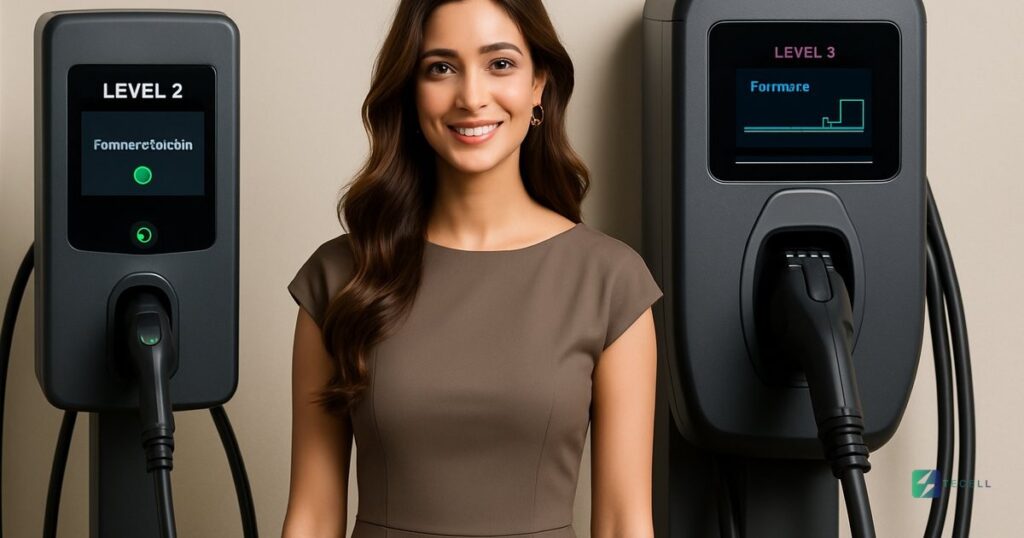
Understanding how firmware update scheduling differs between Level 2 and Level 3 chargers in Tecell’s platform.

Explore how OCPP session resilience patterns ensure charging continuity during network disruptions, with real-world examples and insights from Tecell’s CMS implementation.

Tecell’s CMS supports concurrent OCPP 2.0.1 firmware updates with rollback capabilities for seamless fleet management.
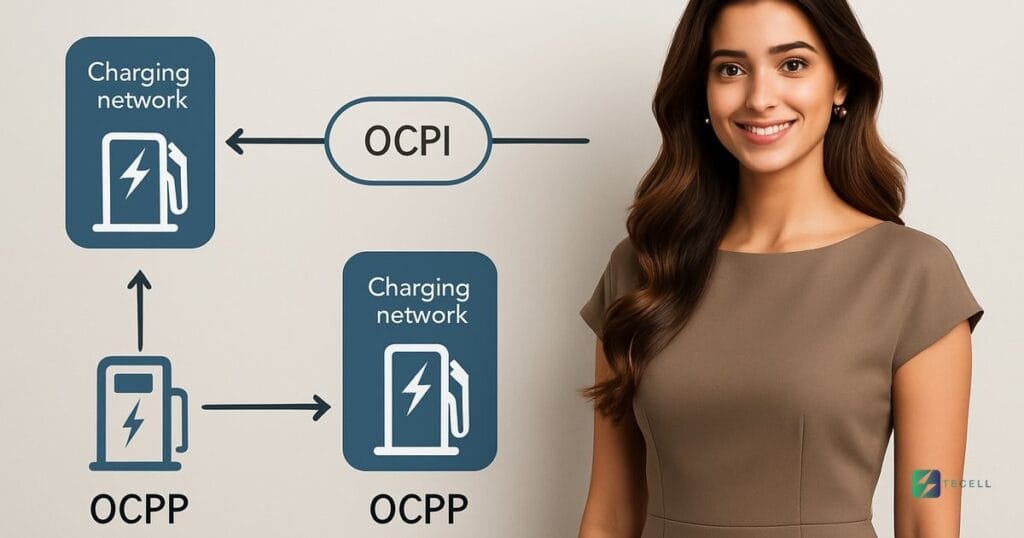
A practical comparison of OCPP and OCPI protocols for Charge Point Operators, focusing on real-world applications and infrastructure management.
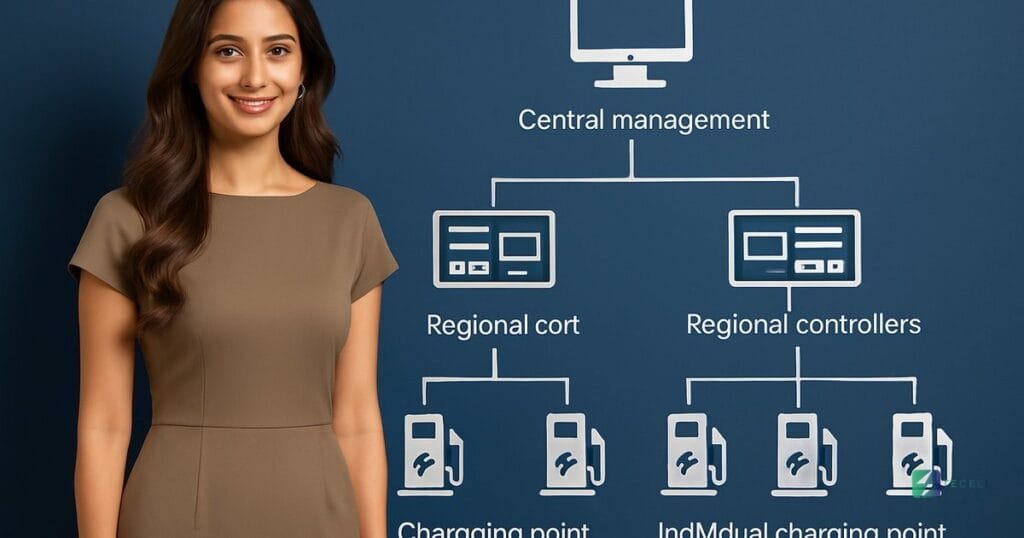
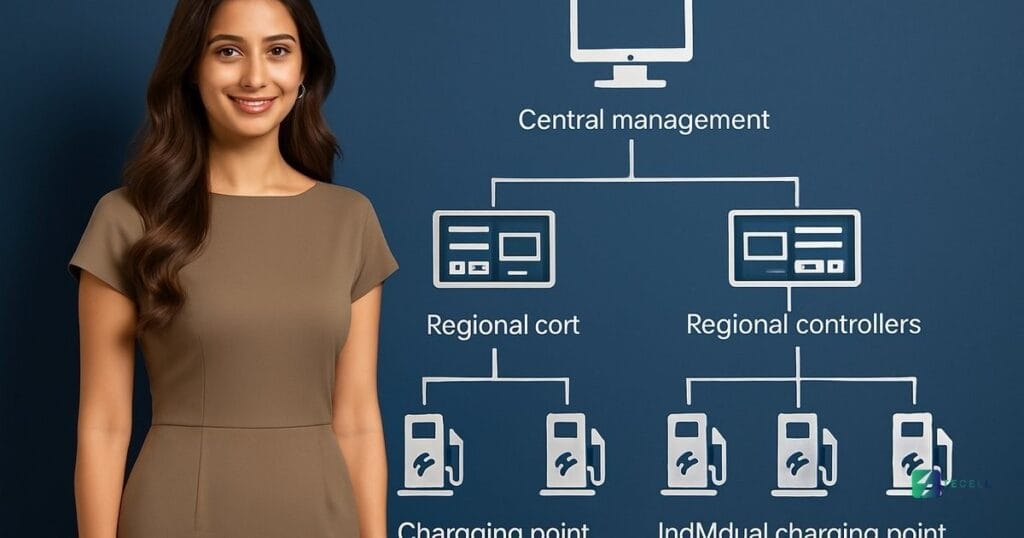
Learn how hierarchical charging network topologies enable scalable EV fleet operations from single sites to multi-region deployments.

Learn how session data transforms EV charging operations through analytics, enabling smarter tariff strategies and load balancing for better revenue and performance.

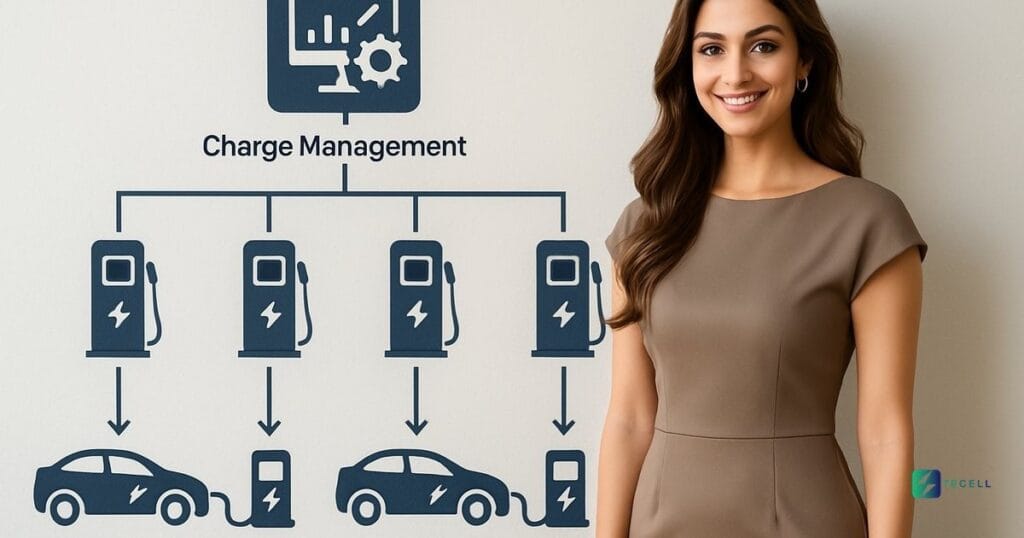
Explore how Tecell’s Charge Management System and OCPP integration ensure end-to-end communication integrity in EV charging ecosystems.

How Tecell’s Charge Management System handles deployments in remote locations with limited internet and intermittent power.
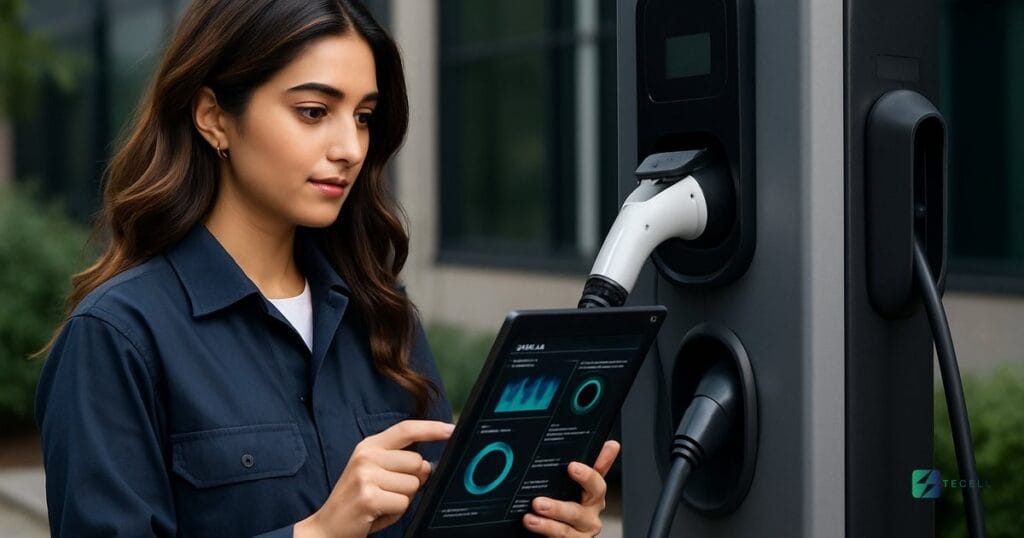
Discover how predictive maintenance in EV charging infrastructure can reduce downtime and improve reliability using analytics and real-time data.
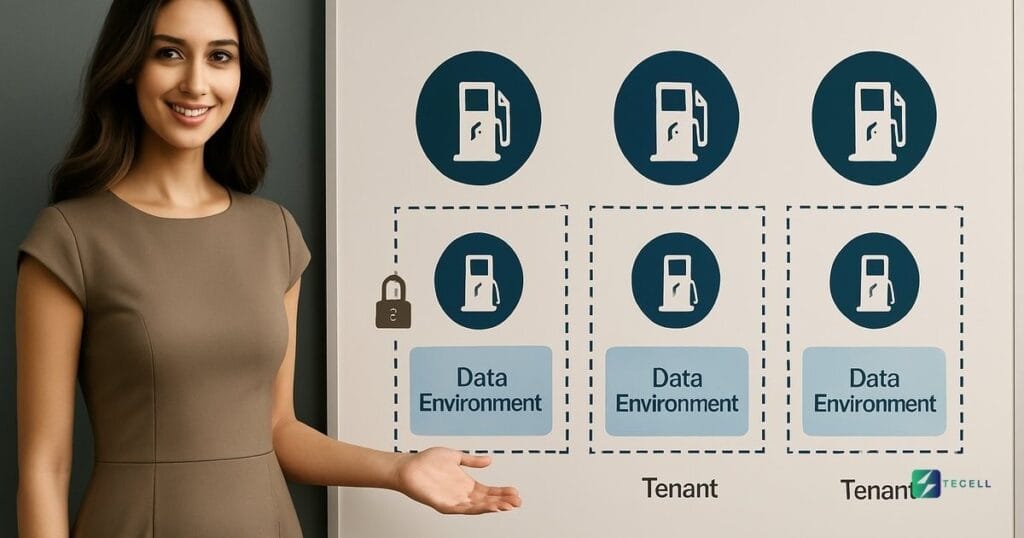
Explore how semantic web technologies enable seamless charging session metadata exchange across OCPP, OCPI, and ISO 15118 protocols.
OCPP 2.0.1 enhances encryption and session security over OCPP 1.6J with TLS 1.2+, AES-256, and stronger authentication.
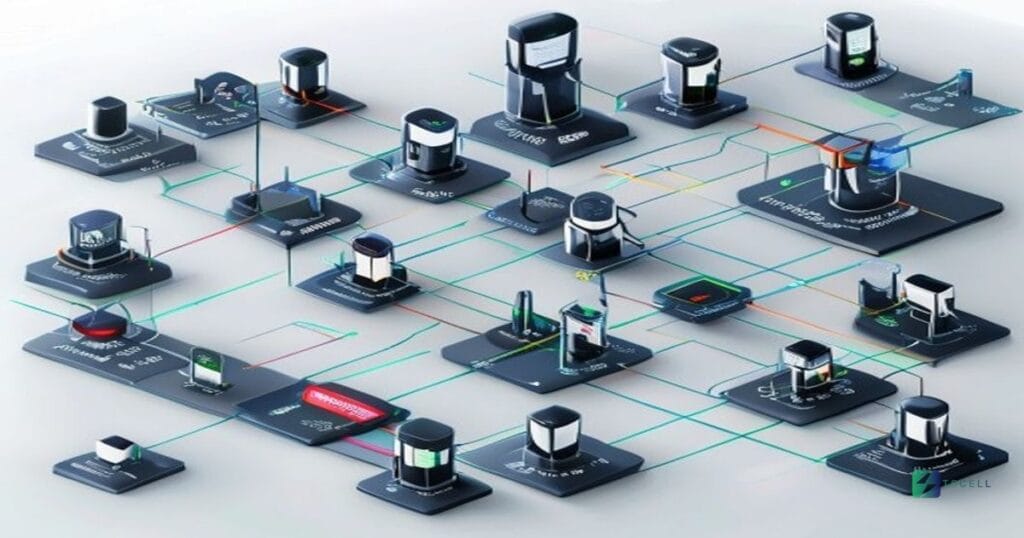
A charging protocol abstraction layer simplifies fleet management by unifying communication across OCPP, OCPI, and proprietary systems.
Secure multi-tenant firmware update management ensures consistent, secure updates across diverse EV charging hardware ecosystems.
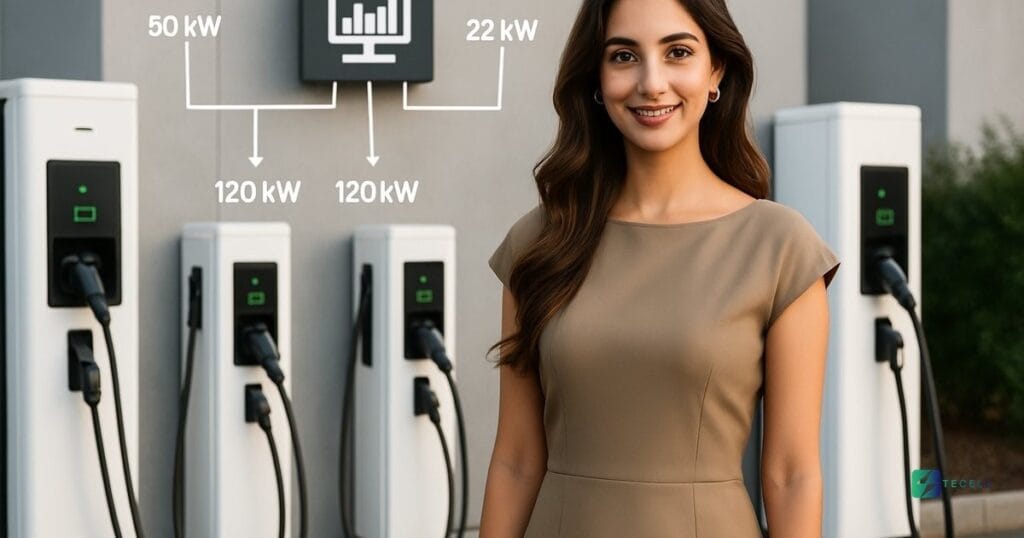
Learn how dynamic load balancing in multi-node charging cabinets optimizes power distribution for AC and DC hybrid systems.
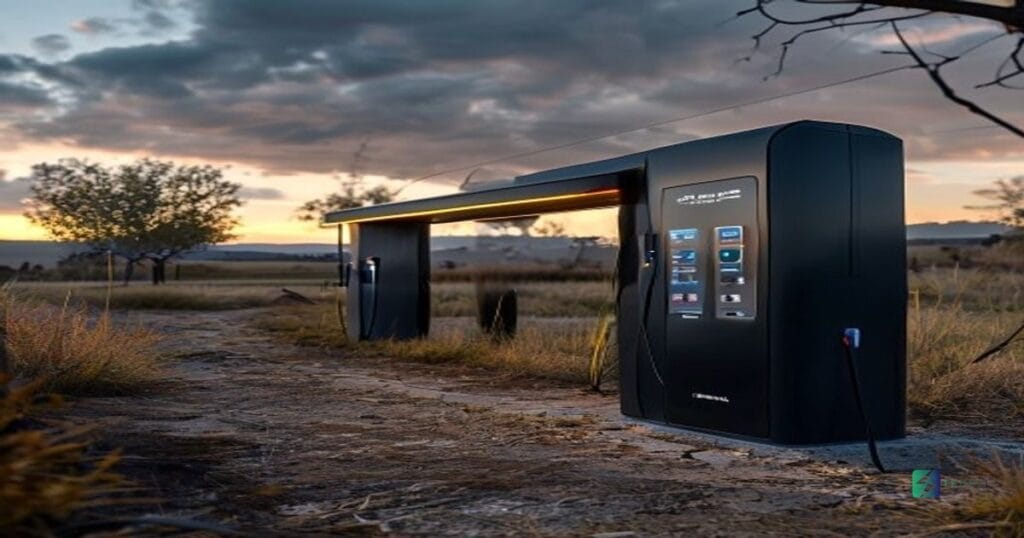
Edge-Cloud Co-Design for Smart Charging leverages localized AI at the charging point to reduce latency and improve load balancing in high-density urban deployments.
A detailed technical comparison of OCPP 1.6J and OCPP 2.0.1, focusing on message encryption, session logging, and compliance reporting for charging operators.
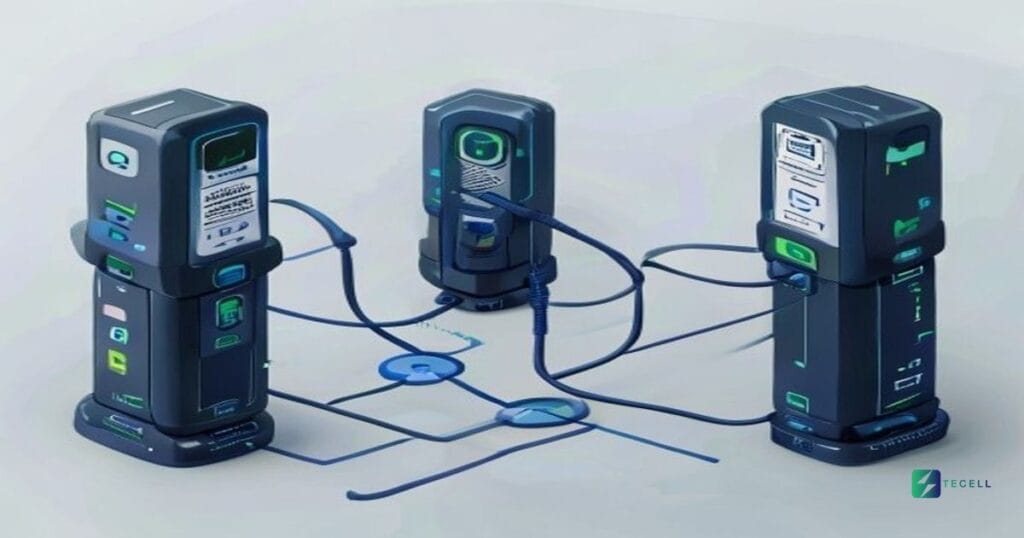
A detailed look at the OCPP 2.0.1 boot sequence, from charger initialization to secure session establishment, with practical insights for EV infrastructure managers.

Tecell’s CMS enables secure remote diagnostics for chargers using encrypted tunneling protocols.
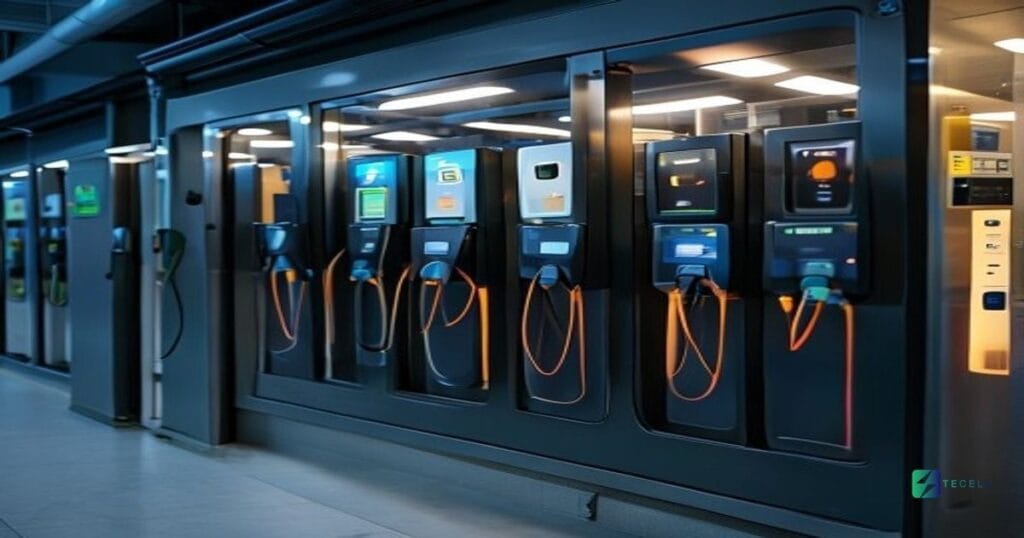
Machine learning models are enabling predictive fault detection in DC fast charging cabinets, improving reliability and reducing downtime.

OCPP 2.0.1 enables dynamic power adjustment during active charging sessions, allowing real-time changes to power output without interrupting the charge.
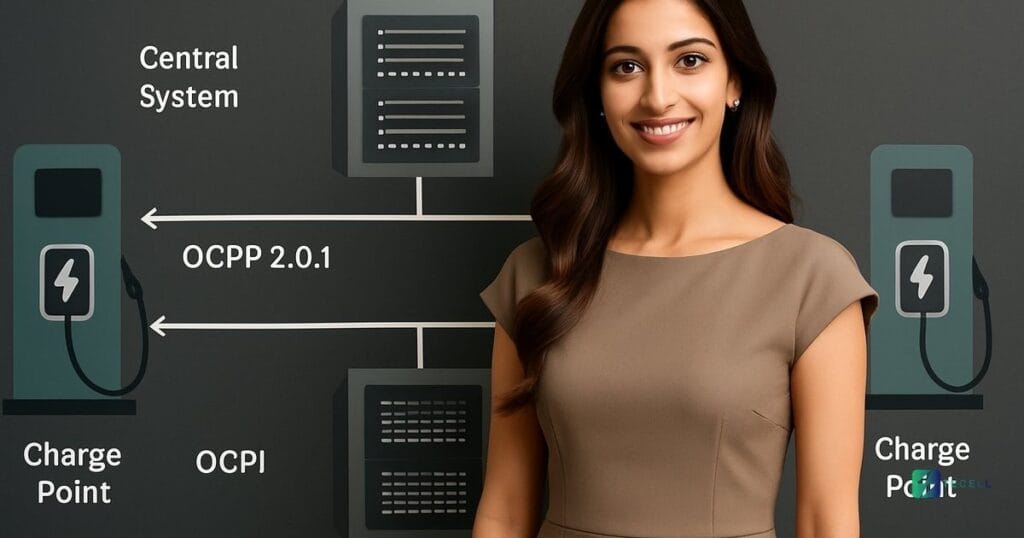
A Charge Management System (CMS) manages firmware updates for hybrid fleets using both OCPP 1.6J and 2.0.1 protocols by supporting separate update mechanisms and maintaining compatibility across device versions.
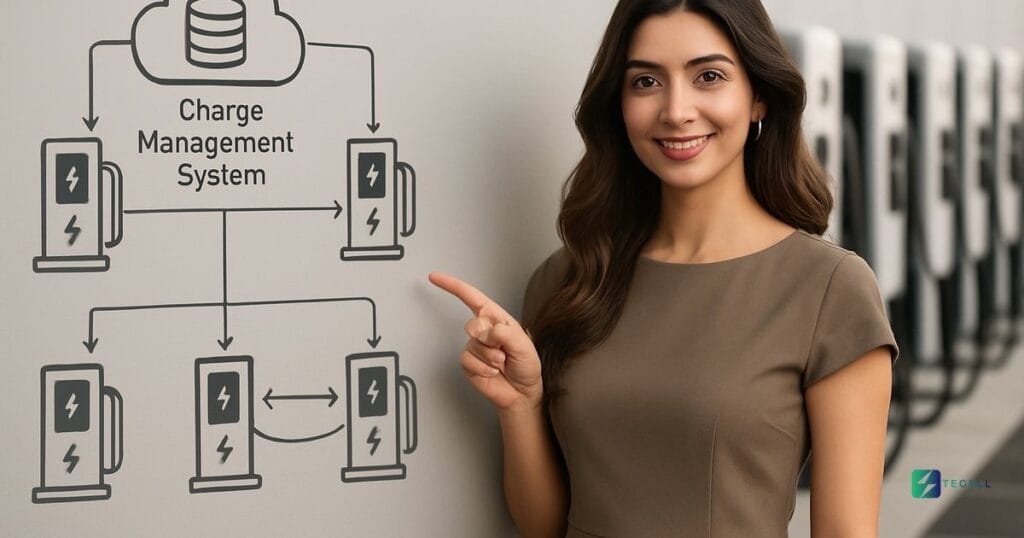
Understanding the concurrent charging session limits of OCPP 1.6J charge points is key for operators managing EV infrastructure.

Understanding the technical differences between CCS1 and CCS2 communication protocols and data exchange capabilities.
OCPP 2.0.1 improves session logging for compliance reporting in multi-tenant CPO environments with standardized message structures and enhanced data fields.
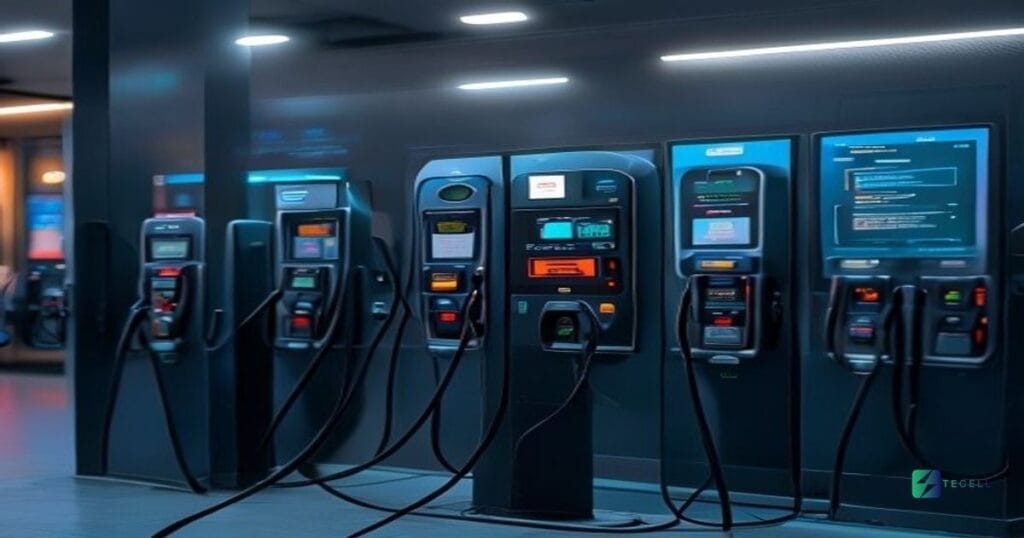
Explore the technical differences between dynamic load balancing and predictive load management in EV charging networks, and how each impacts performance in high-density environments.
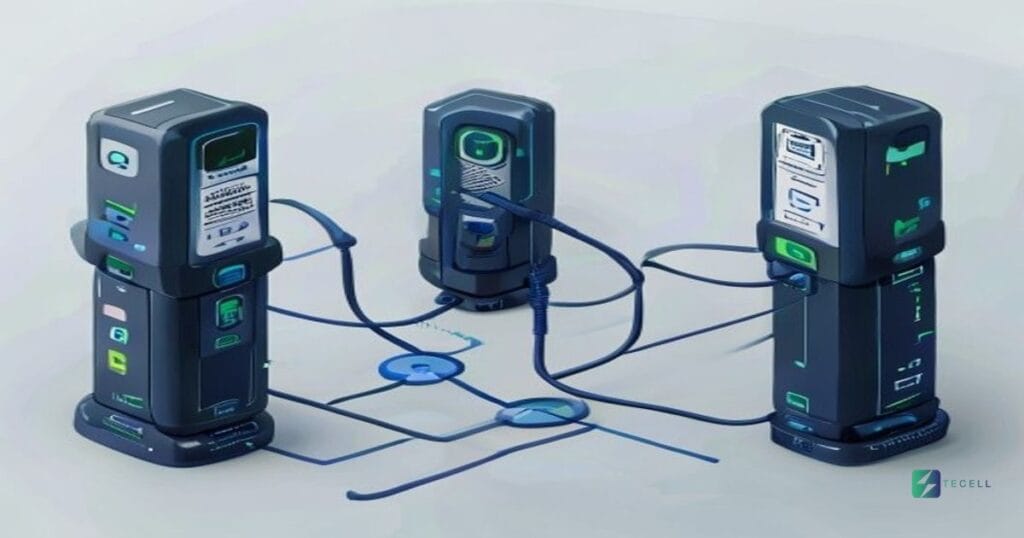
Understanding the differences in session management between OCPP 2.0.1 and OCPI for roaming operators.
A detailed comparison of OCPI and ISO 15118, focusing on their roles in EV charging infrastructure, session synchronization, and interoperability.
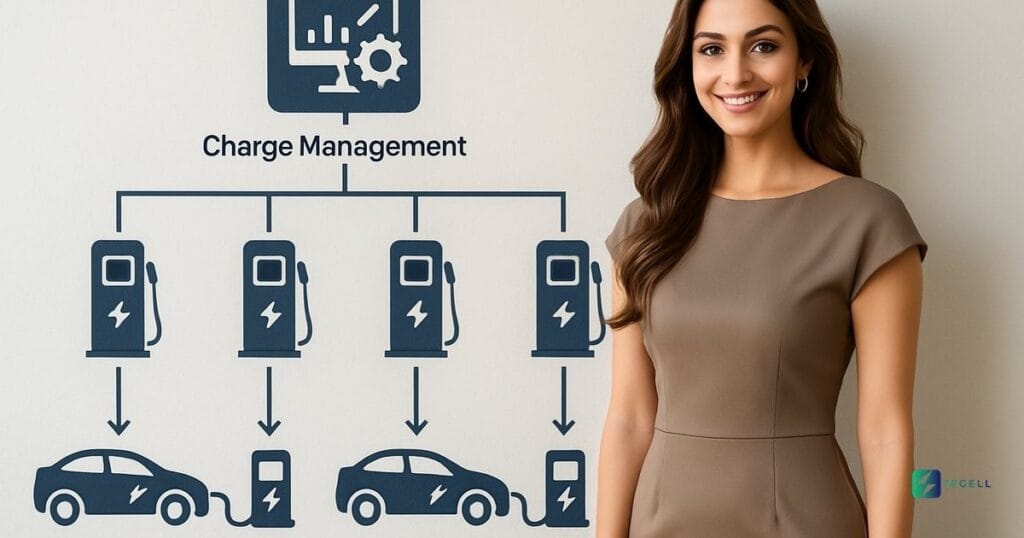
Scalable charging infrastructure orchestration using Kubernetes enables efficient management of high-density urban and fleet deployments.
Cross-platform firmware version synchronization ensures consistent behavior across heterogeneous EV charging hardware, which is essential for reliable and secure operations.
A Charge Management System (CMS) maintains session continuity during a protocol switch by preserving transaction data and ensuring communication compatibility between OCPP 1.6J and 2.0.1 endpoints.

Edge AI transforms EV charging infrastructure by enabling predictive maintenance that reduces downtime and extends hardware life.
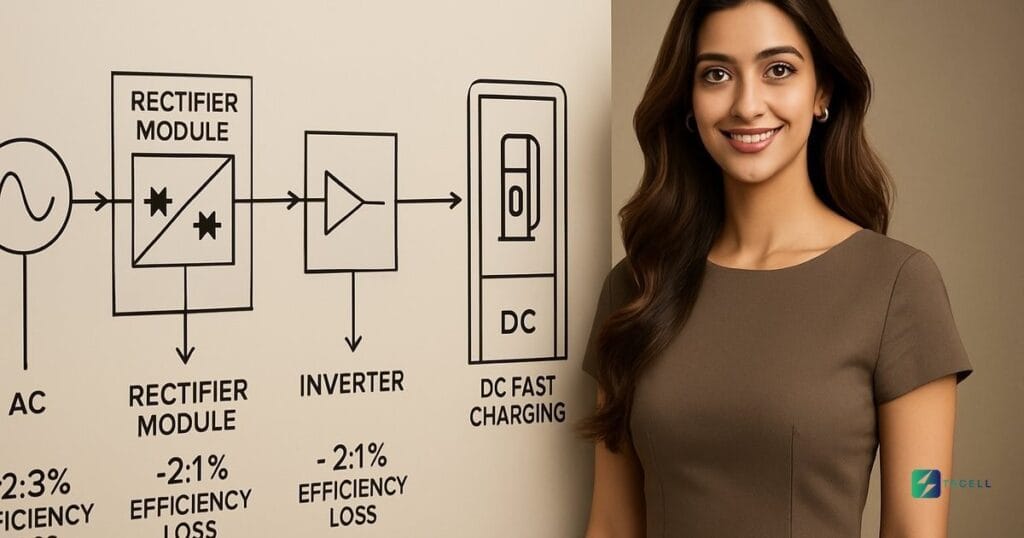
Explore the technical challenges and solutions for implementing real-time power factor correction in DC fast charging networks, ensuring grid stability and operational efficiency.
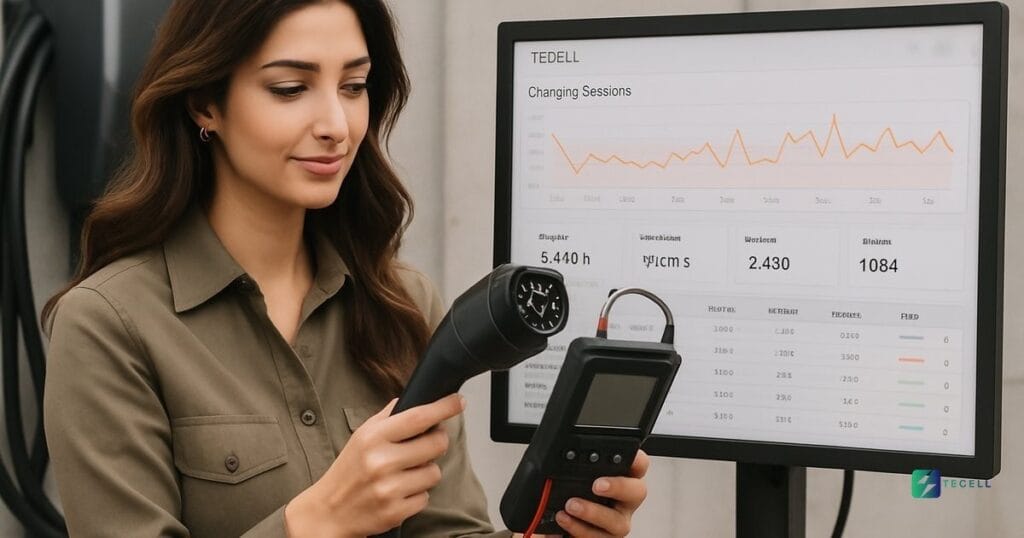
How predictive maintenance identifies rectifier module failures in EV charging infrastructure before they cause outages.
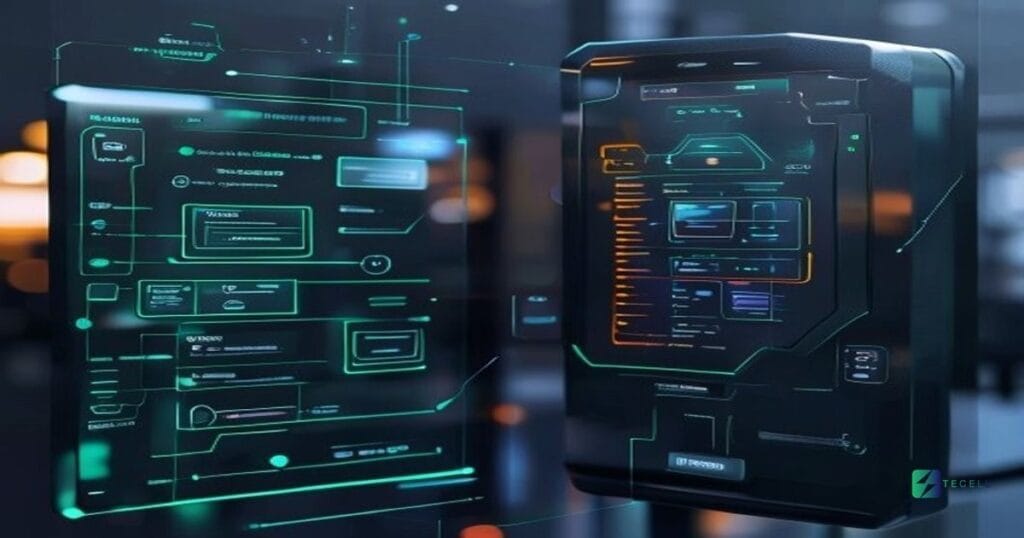
How to integrate new EVSE models with CMS using OCPP 2.0.1 protocol.
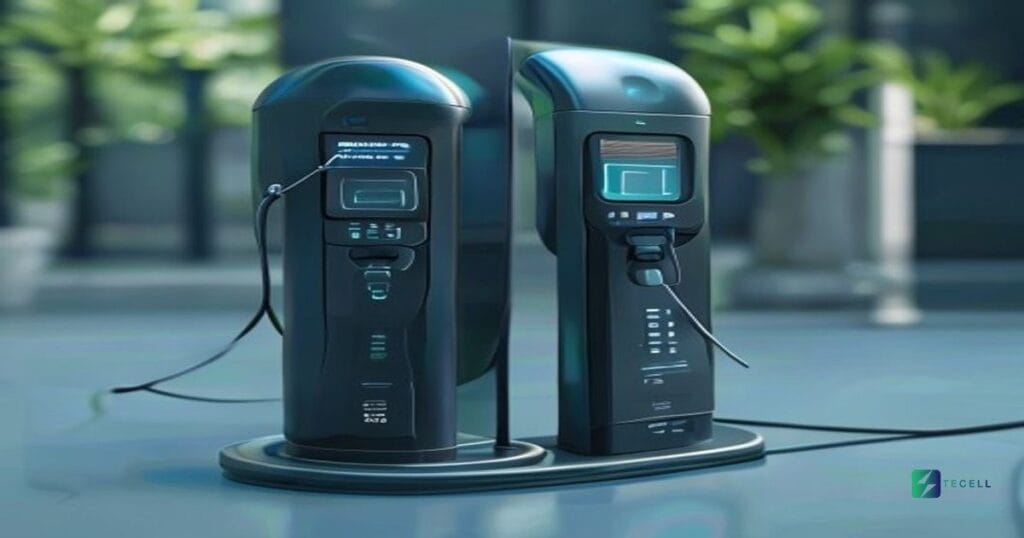
OCPP 1.6J and OCPP 2.0.1 differ in session logging through data structure, granularity, and reporting capabilities for compliance.
Tecell’s CMS handles firmware updates for chargers using both OCPP 1.6J and OCPP 2.0.1 protocols, ensuring compatibility and centralized management.
A protocol-agnostic charging session layer enables seamless integration of OCPP, OCPI, and ISO 15118 through a unified abstraction interface.
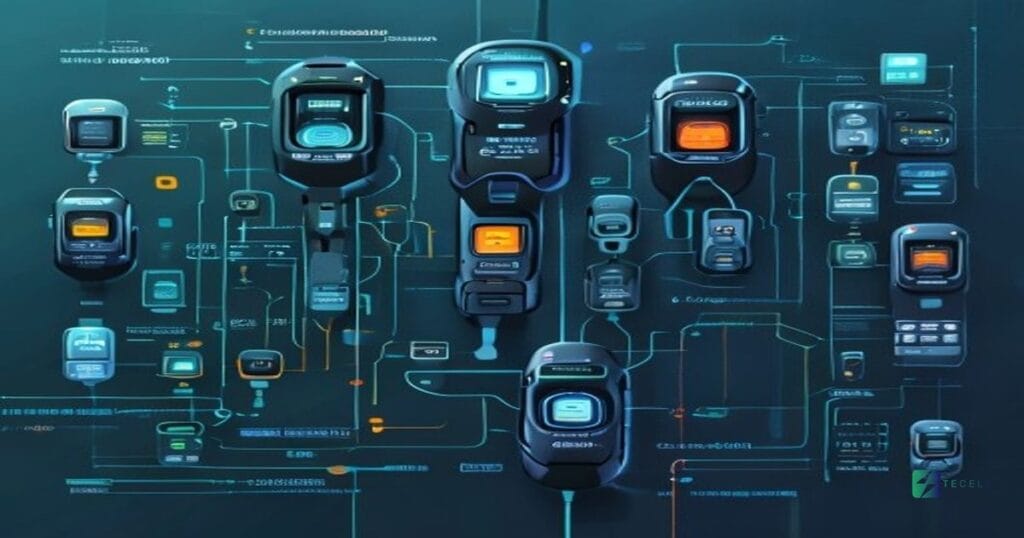
Learn how Tecell’s OCPP Gateway efficiently processes real-time MeterValues at scale, ensuring reliable data handling for EV charging operations.
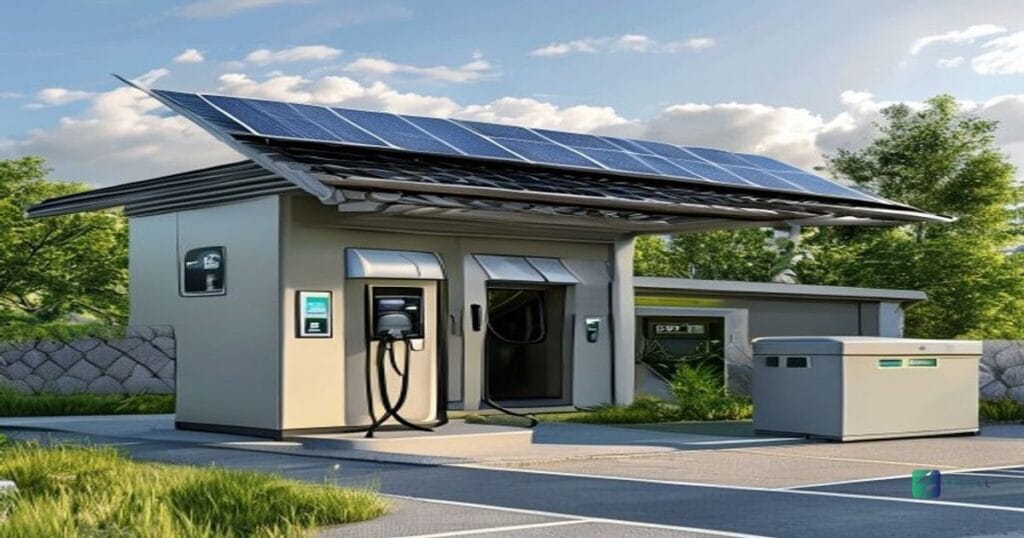
Learn how to integrate renewable energy sources into EV charging infrastructure for dynamic power sourcing and smart grid coordination.
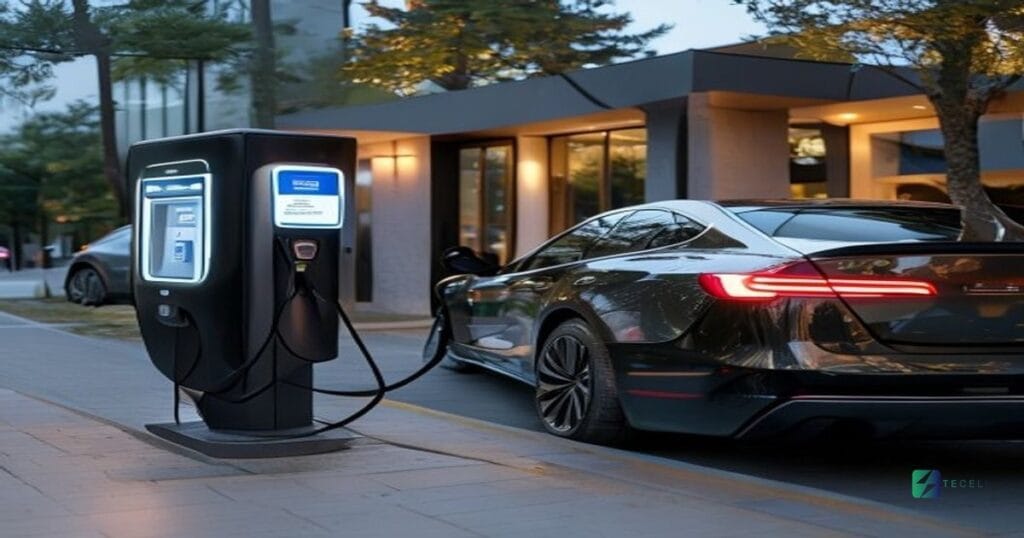
ISO 15118 Plug & Charge enables automated billing in multi-tenant EV charging environments through secure certificate management and session authorization.
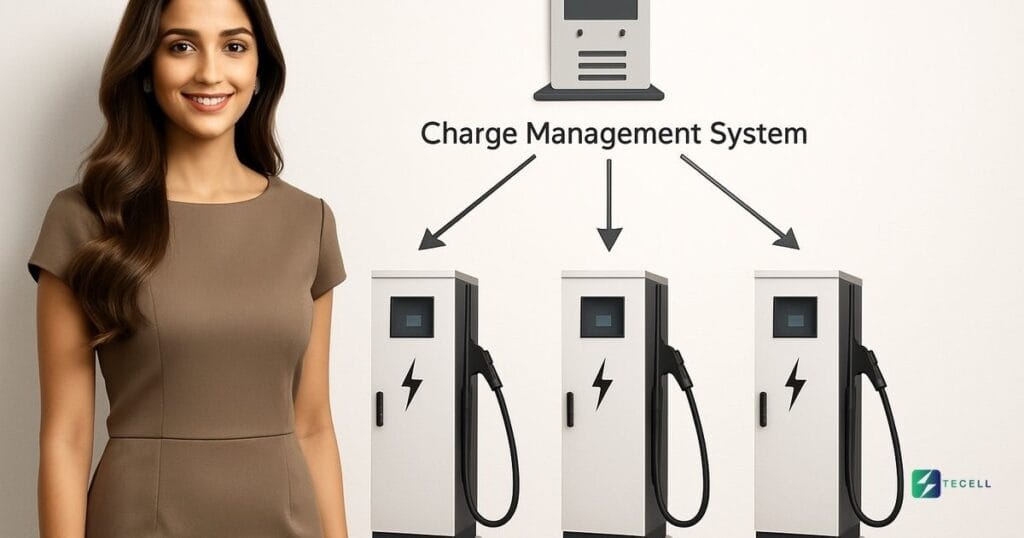
Tecell’s OCPP gateway supports high concurrent WebSocket connections with dynamic load balancing for large-scale EV charging deployments.
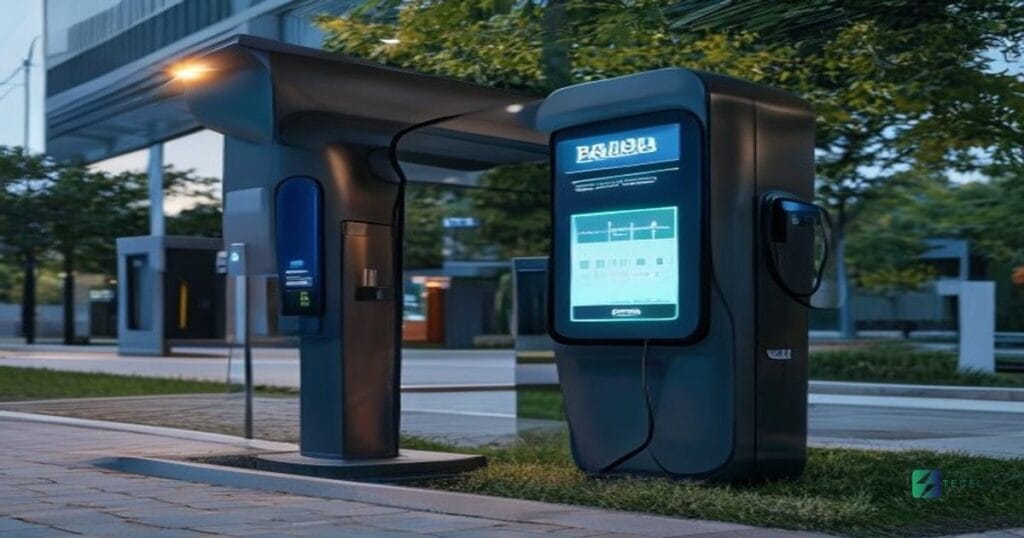
Explore how OpenADR enables EV charging networks to respond to grid demand and optimize renewable energy use, supporting both operational efficiency and grid stability.

ISO 15118 certificate management is essential for secure, automated EV charging. Learn how it enables Plug & Charge and supports grid integration.
A detailed technical comparison of OCPP 2.0.1 and ISO 15118, focusing on session management and authentication protocols for modern charging networks.
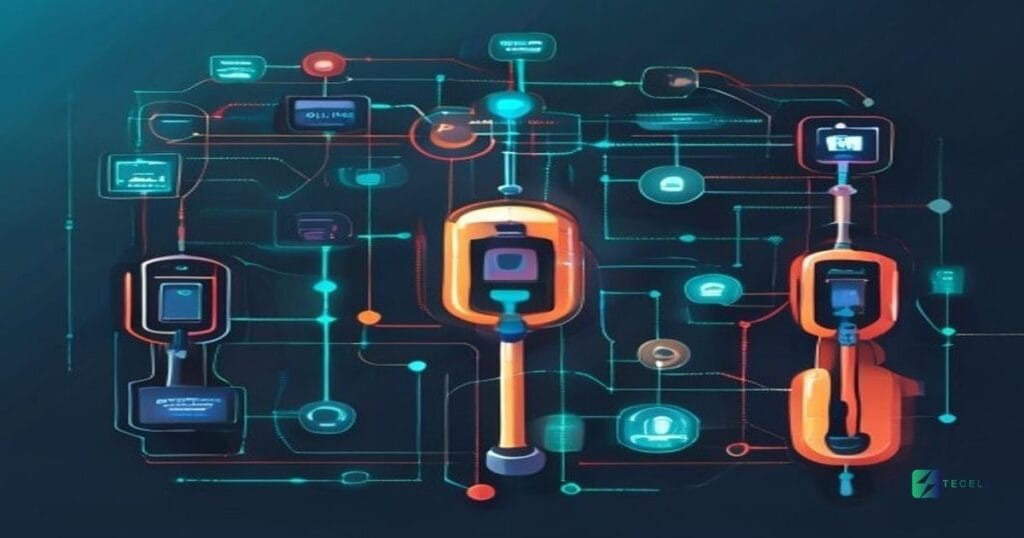
Tecell ensures secure communication with chargers using both OCPP 1.6J and OCPP 2.0.1 through dynamic TLS negotiation and version-aware message routing.
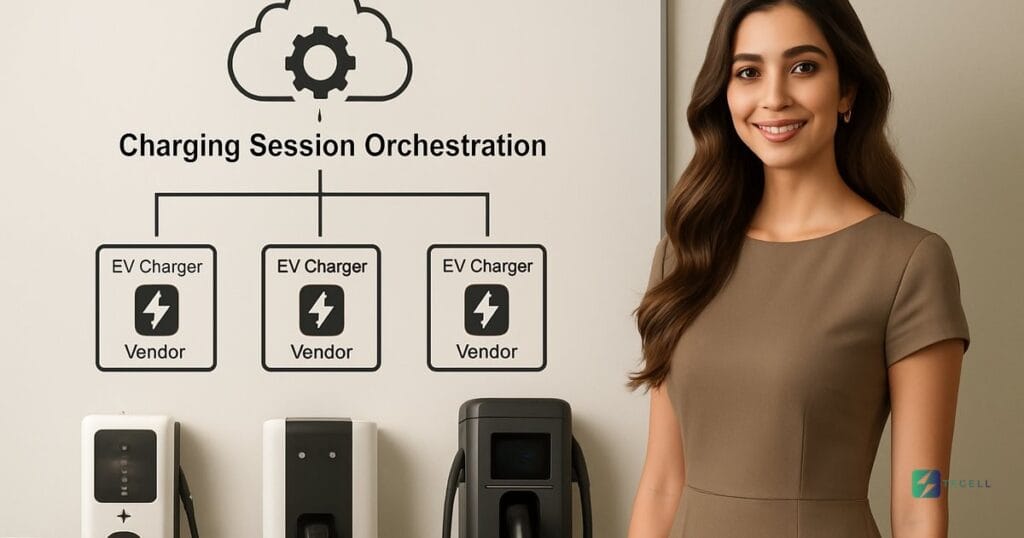
Learn how Tecell’s Charge Management System handles complex charging session orchestration across multi-vendor hardware and high-concurrent usage scenarios.

Explore how real-time power conversion efficiency impacts DC fast charging performance, including losses in rectifier modules and their effects on charging speed and grid stability.

Exploring how dynamic load balancing across heterogeneous hardware ensures efficient and stable power distribution in EV charging networks.

Learn how hierarchical charging network management scales EV infrastructure from single sites to multi-region operations with centralized control and local autonomy.

Cross-protocol gateway architecture enables seamless integration of diverse EV charging networks using OCPP, OCPI, and proprietary APIs.

Explore how energy storage integration with EV charging infrastructure enhances grid stability, reduces peak demand, and improves operational efficiency.

How Tecell’s CMS handles offline deployments with limited internet and power.

A detailed comparison of OCPP 2.0.1 and OCPI, focusing on session management, data exchange, and interoperability for Charge Point Operators.

OCPP smart charging profiles help fleet operators manage power usage efficiently, reduce costs, and comply with grid limitations.

Tecell uses statistical anomaly detection, machine learning, and rule-based systems to identify charging faults in real time.

Tecell’s OCPP gateway supports up to 1,000 concurrent WebSocket connections during peak usage, ideal for high-density charging environments.

Tecell’s Charge Point Management System enables simultaneous firmware updates for 1000+ chargers through distributed queuing and intelligent scheduling.

Learn the essential technical requirements for integrating Tecell’s CMS with new charging cabinet OEMs.

Explore how a scalable EV charging network software architecture handles thousands of devices and complex workflows.

Tecell’s OCPP gateway supports high-density deployments with hundreds of simultaneous WebSocket connections.

Tecell’s diagnostics engine uses real-time monitoring and AI to detect and resolve charging infrastructure issues before they impact users.

Explore how WebSocket scalability in EV charging platforms ensures real-time communication for thousands of concurrent connections.

A detailed comparison of OCPP 2.0.1 and OCPP 1.6J, focusing on message handling, security, and firmware updates for Charge Point Operators.

Learn how fault detection and predictive analytics in EV charging infrastructure help operators prevent failures and improve reliability.

Firmware management in fleet charging is complex but essential for maintaining security, compliance, and performance across large networks.

A detailed technical comparison of OCPP and OCPI, focusing on their roles in EV charging infrastructure and how they work together to enable efficient and interoperable charging systems.

Learn how Tecell’s firmware update orchestration strategy ensures reliable, secure, and scalable updates across multi-tenant EV charging networks.

Explore how Tecell’s Charge Management System (CMS) supports thousands of concurrent WebSocket connections, ensuring reliable and scalable EV charging infrastructure.

Learn how duplicate message detection ensures data integrity in EV charging networks, with practical examples and Tecell’s approach to handling redundant data.

Learn how Tecell’s Charge Management System handles real-time event processing in EV charging networks, including WebSocket communication and high-volume message queues.

Learn how to design a scalable OCPP gateway that supports multi-vendor charging hardware and ensures seamless communication across diverse EV infrastructure deployments.

A detailed comparison of OCPP 1.6J and OCPP 2.0.1, focusing on firmware update handling and security enhancements for EV charging infrastructure.

Event queues are essential for real-time charging network operations. Learn how Tecell’s CMS platform uses event-driven architecture to ensure reliability and scalability.

Learn how Tecell’s OCPP Gateway efficiently handles high-volume MeterValues streams with scalable architecture and message queuing.

Tecell uses statistical anomaly detection, machine learning, and rule-based systems to identify faults in EV charging infrastructure.

Tecell ensures secure TLS communication between chargers and CMS through industry-standard encryption and mutual authentication.

Learn how dynamic load balancing enhances EV charging efficiency across heterogeneous hardware setups.

Tecell’s analytics dashboard transforms raw charging data into actionable insights for Charge Point Operators, enabling smarter decisions and improved network performance.