How to Implement Real-Time Load Balancing with OCPP 2.0.1
Learn how Charge Point Operators use OCPP 2.0.1 to balance power loads across multiple AC and DC chargers in high-density urban environments.

Learn how Charge Point Operators use OCPP 2.0.1 to balance power loads across multiple AC and DC chargers in high-density urban environments.
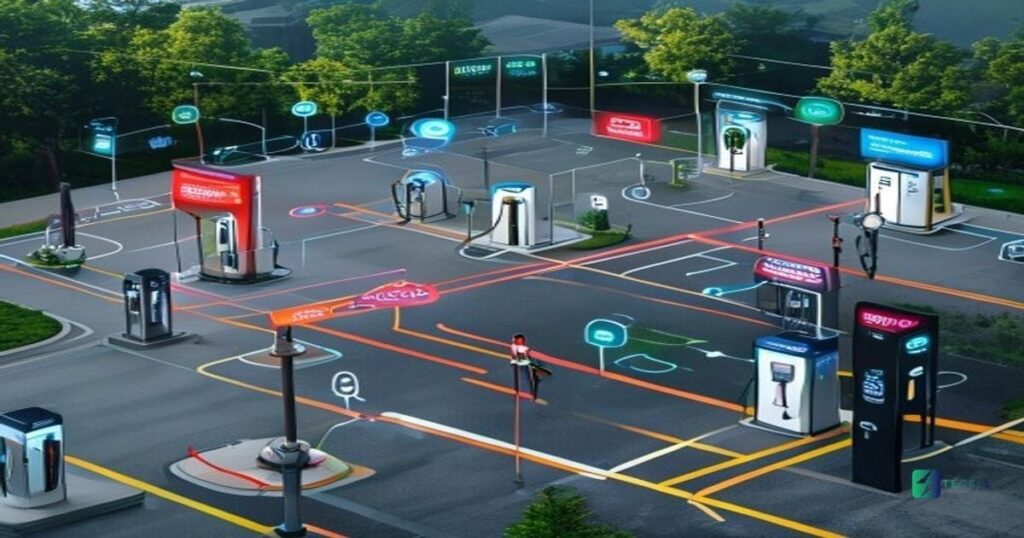
OCPP 2.0.1 enables real-time load balancing across diverse charging stations in fleet environments through dynamic power management and intelligent communication.
Learn how Charge Point Operators configure Level 2 chargers for both AC and DC charging using OCPP 2.0.1.
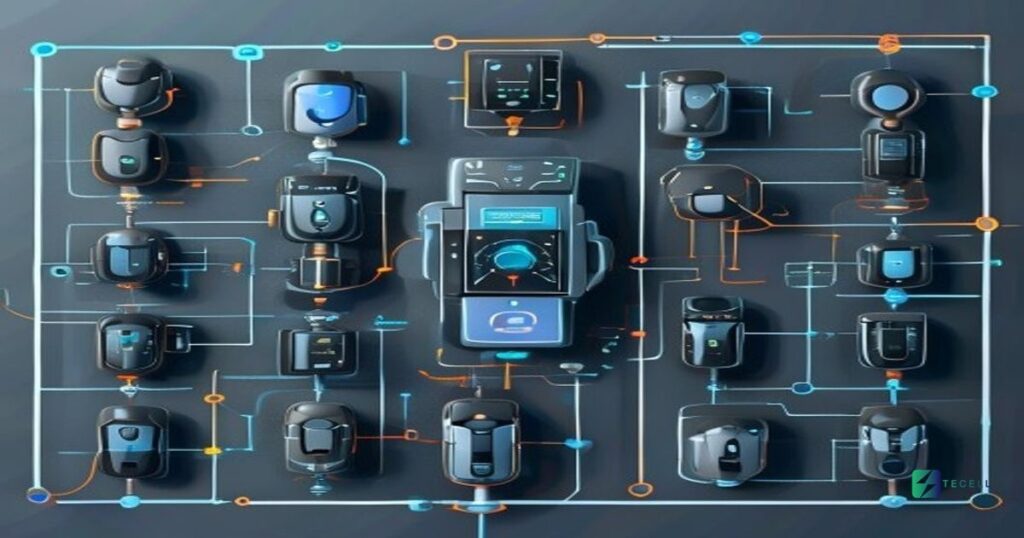
OCPP 2.0.1 improves session logging and compliance reporting for AC and DC charging stations in unified networks.
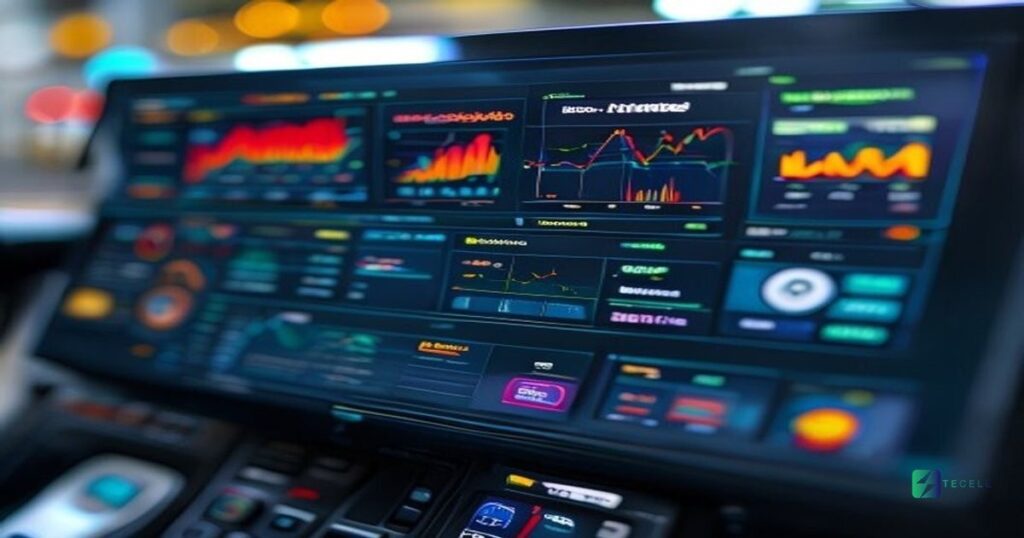
Yes, Charge Point Operators can configure different tariffs for workplace and visitor sessions using OCPP 2.0.1.

Charge Point Operators can use OCPP 2.0.1 to recover failed payments by maintaining transaction state and retrying payment processing after interruptions.

OCPP 2.0.1 enables real-time fault diagnostics and automated alerting for charge point operators by using enhanced status notifications, detailed error codes, and proactive communication protocols.
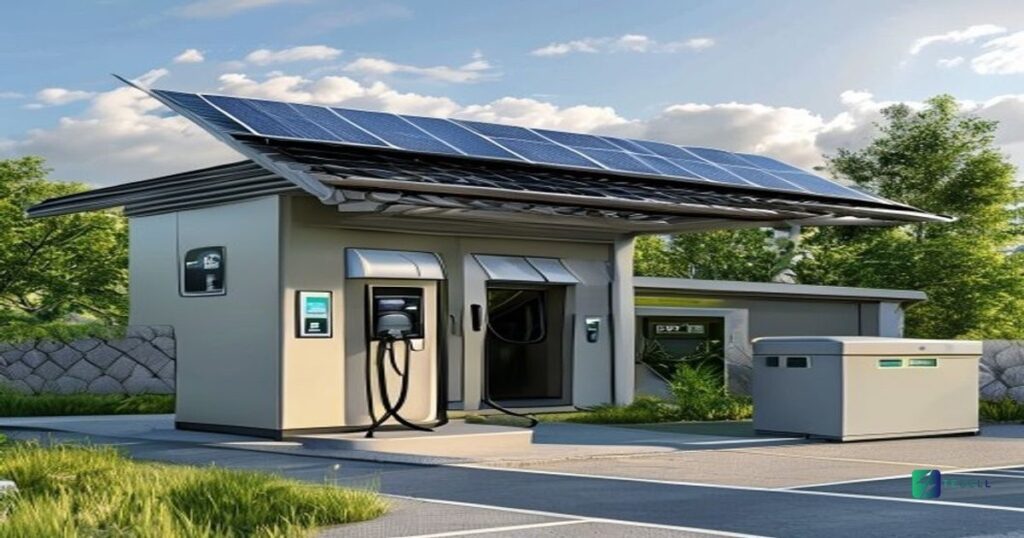
Saha-Edge enables autonomous charging decisions offline using edge AI and predictive models.
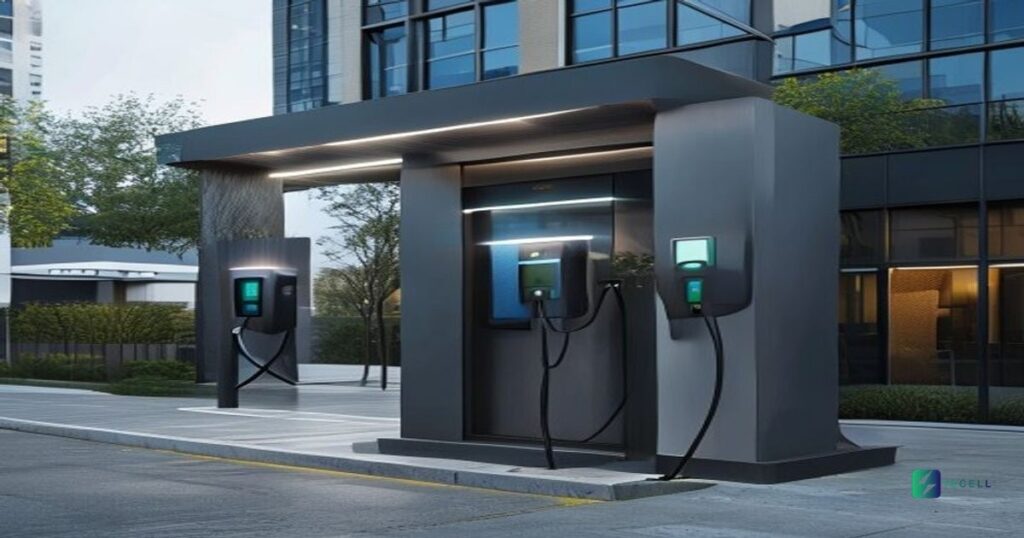
Yes, Charge Point Operators can use OCPP 2.0.1 to enforce time-based charging restrictions for electric buses during off-peak hours in multi-tenant networks.
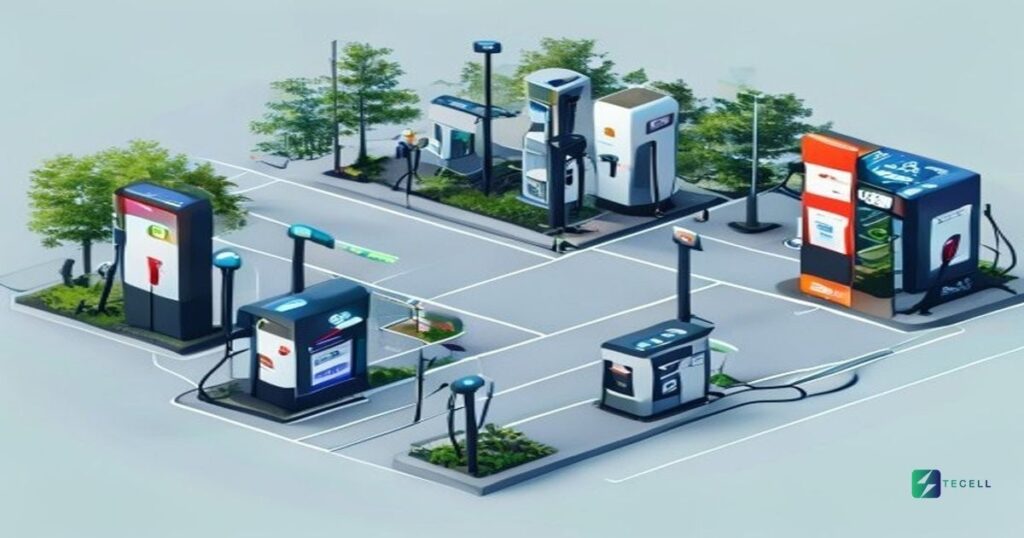
OCPP 2.0.1 enables real-time energy reporting for billing in multi-tenant CPO environments through standardized data exchange and session tracking.
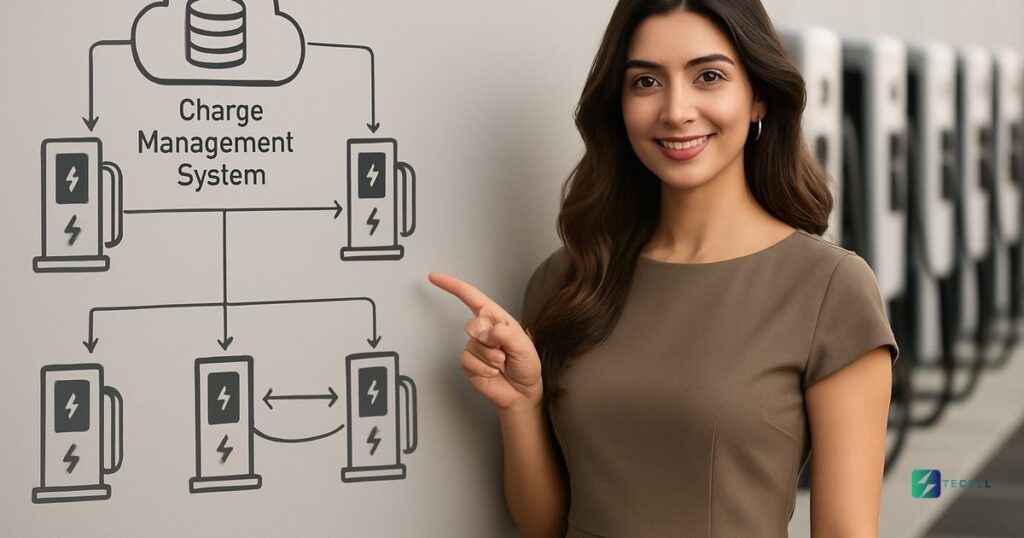
OCPP 2.0.1 enables automatic session recovery for chargers that lose power and reboot during an active charging session.

A Charge Point Operator configures real-time energy arbitrage using OCPP 2.0.1 by leveraging dynamic pricing to align charging loads with grid conditions and energy costs.
A CMS ensures consistent session logging and compliance reporting during OCPP version transitions by maintaining unified data schemas and automated mapping rules.
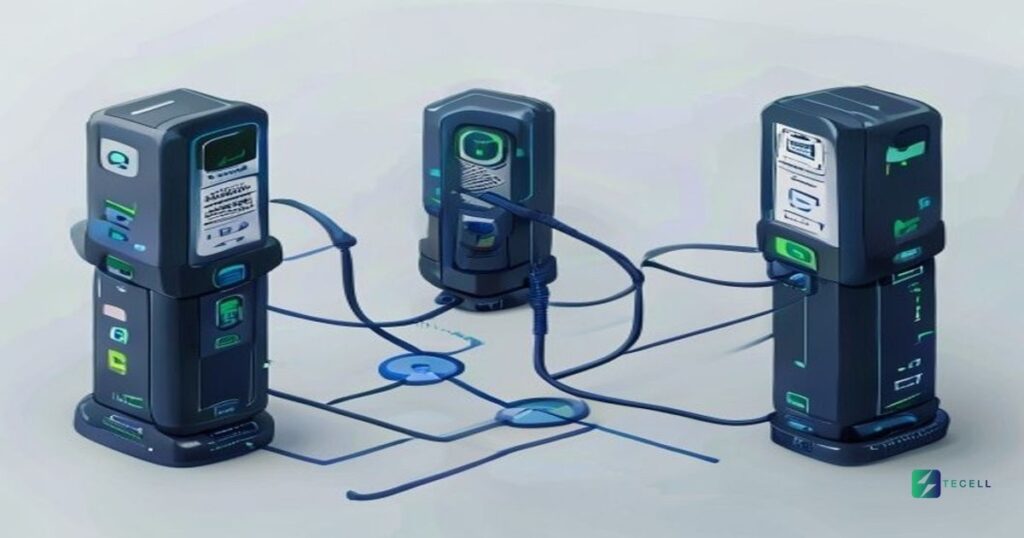
Charge Point Operators configure dynamic power scaling for DC fast chargers using OCPP 2.0.1 by adjusting MaxChargingPower and MinChargingPower parameters in SetChargingProfile requests.
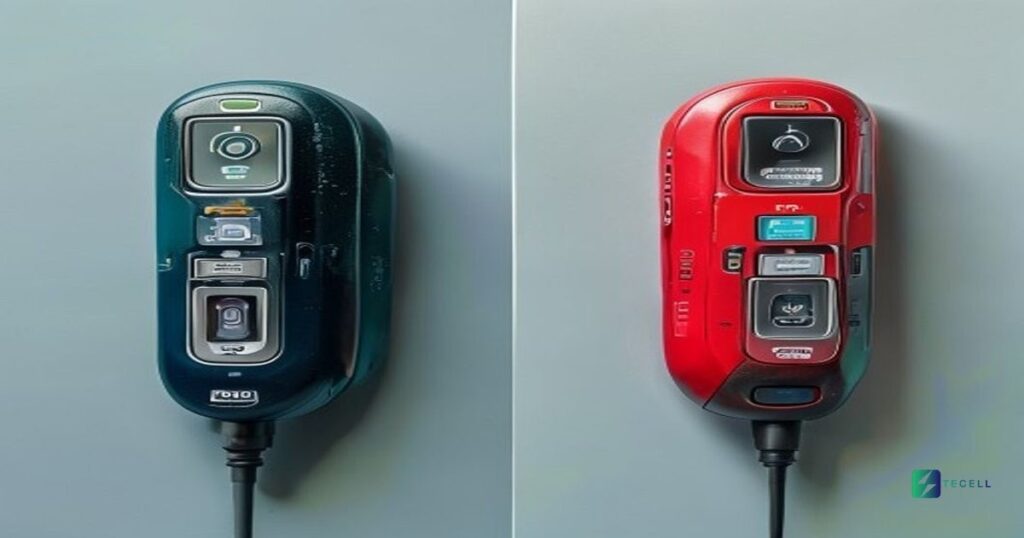
Yes, OCPP 2.0.1 allows Charge Point Operators to configure different tariffs for CCS and CHAdeMO connectors within the same charging station.
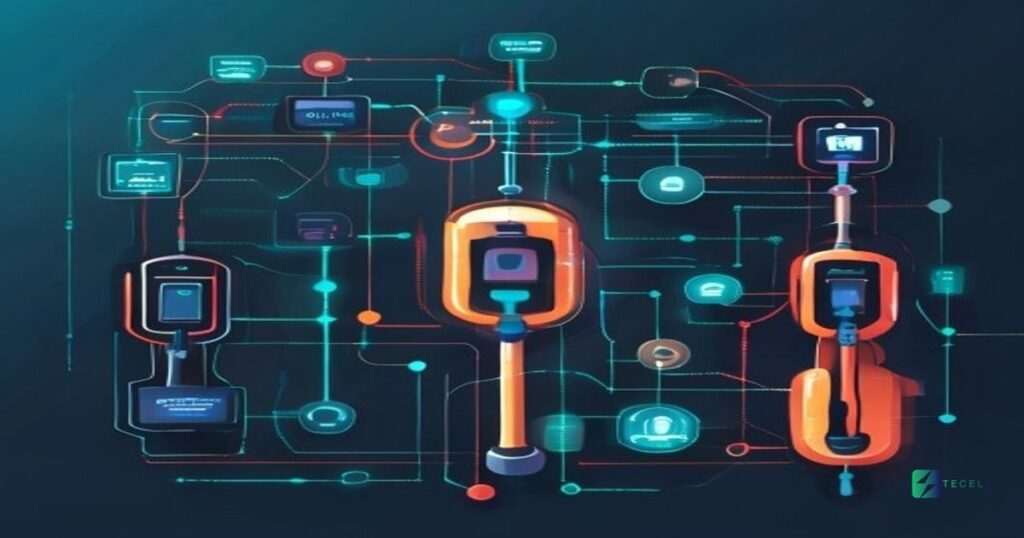
Certificate-based PKI authentication secures communication between chargers and CMS by verifying device identities and enabling encrypted data exchange.
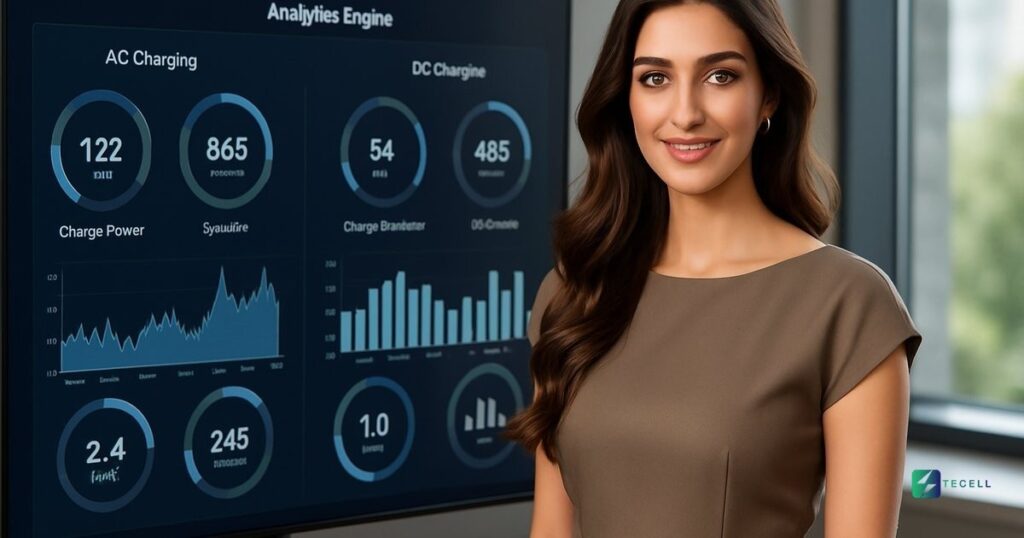
ChargeSphere optimizes revenue for Charge Point Operators through dynamic pricing and peak demand management.
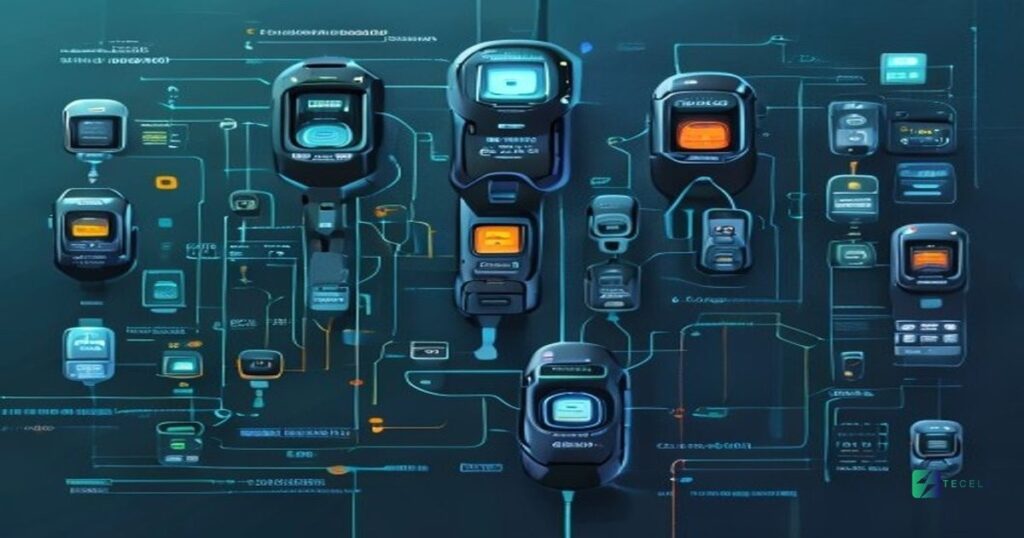
OCPP 2.0.1 enables real-time occupancy analytics by standardizing data communication for charge point operators managing high-density urban networks.
ChargeSphere enables seamless roaming between charging networks using OCPI and ISO 15118 in multi-tenant environments.

OCPP 2.0.1 enables charging stations to report battery health data directly to fleet operators through standardized message exchanges.
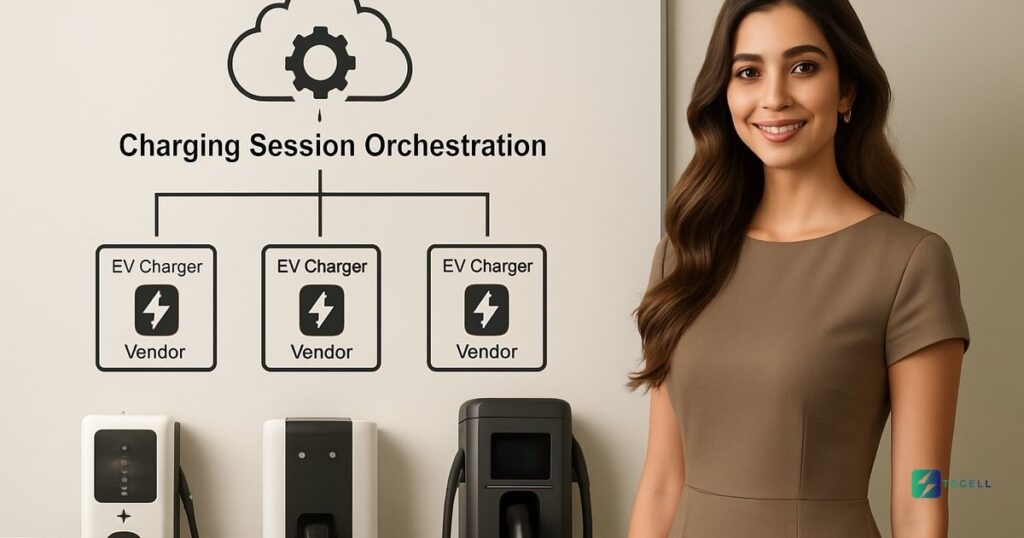
Configure time-based charging schedules in UnityCharge CMS to align with renewable energy windows.
OCPP 2.0.1 allows real-time tariff updates during active charging sessions, enabling flexible pricing in multi-tenant environments.
OCPP 2.0.1 enables firmware rollback and recovery during active charging sessions, ensuring minimal disruption and system stability.
Compare the technical differences between Type 2 and CCS1 EV charging connectors in terms of power delivery and communication protocols.
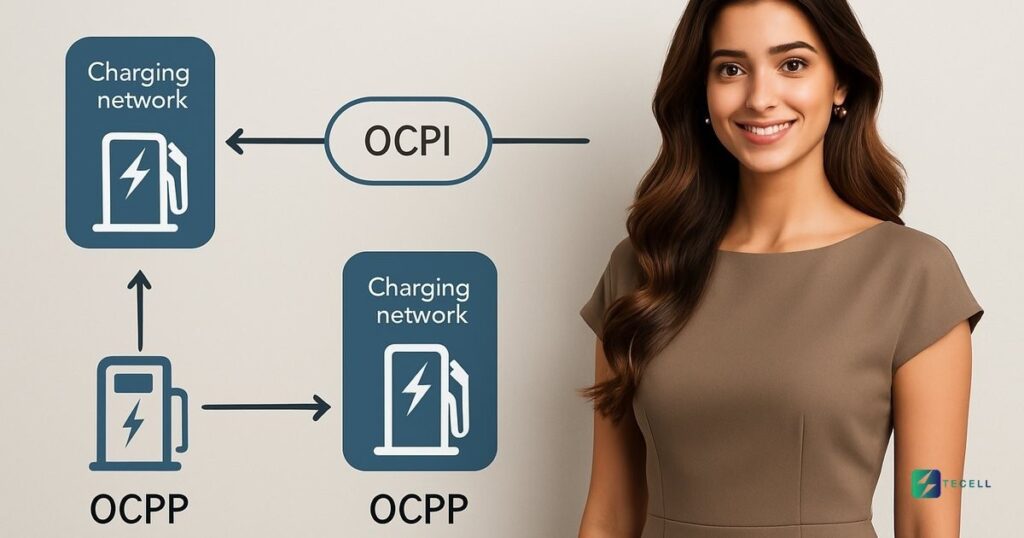
A CMS uses OCPP protocols to enforce user access control across zones in multi-tenant charging networks.
Learn how Charge Point Operators use telemetry data for predictive maintenance in multi-tenant EV charging setups.
Deploying portable chargers in areas with unreliable grid power presents technical challenges around power stability, energy storage, and operational resilience.
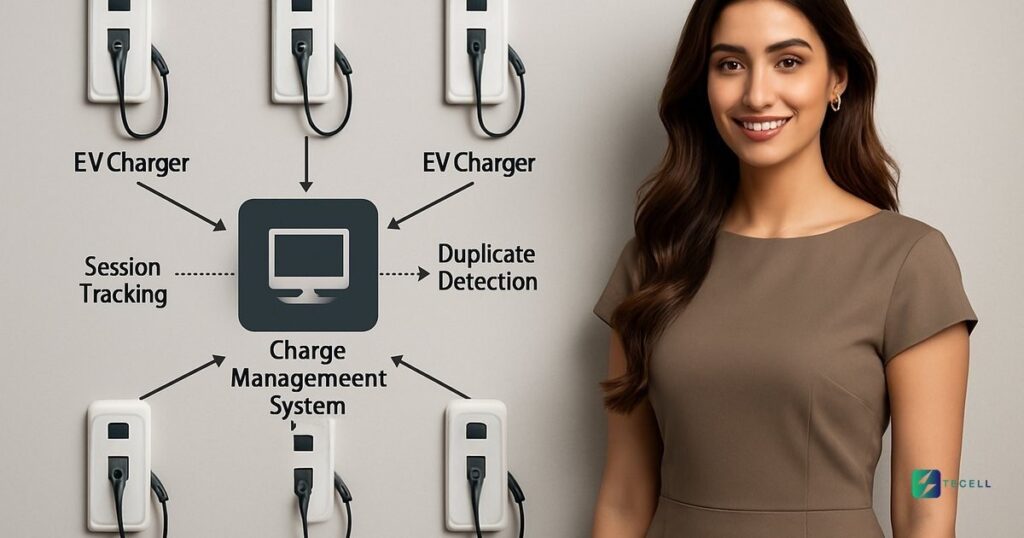
A CMS prevents duplicate session IDs in hybrid OCPP networks by tracking active sessions and validating IDs across protocol versions.
Compare firmware update mechanisms in OCPP 1.6J and OCPP 2.0.1 for EV charging infrastructure.
Fleet operators can synchronize charging tariffs across multiple networks using OCPI by leveraging standardized tariff exchange features.
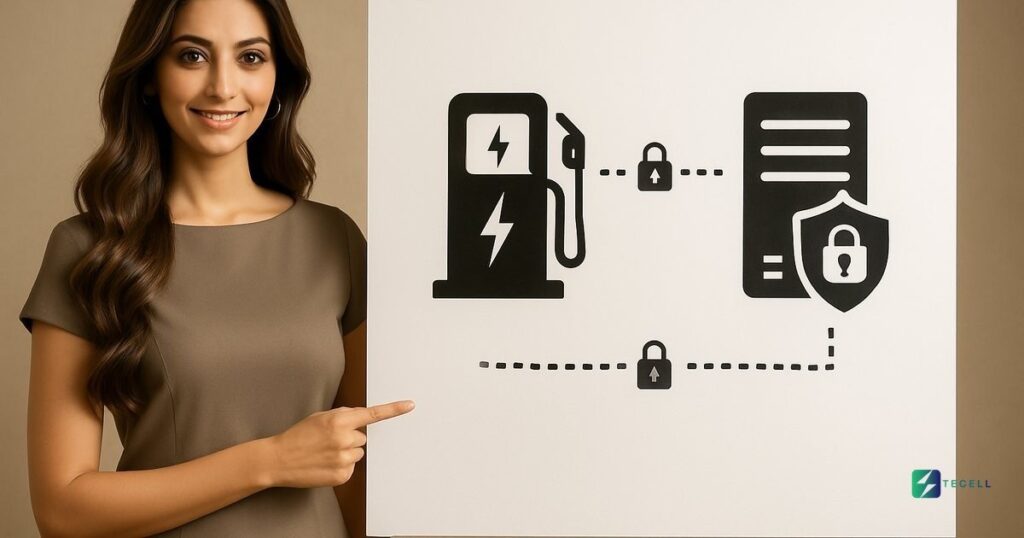
Comparing QR codes and RFID for secure authentication in multi-tenant CPO networks.

OCPP 2.0.1 allows charging stations to store diagnostic data locally and sync it when connectivity is restored, enabling remote troubleshooting even in offline mode.
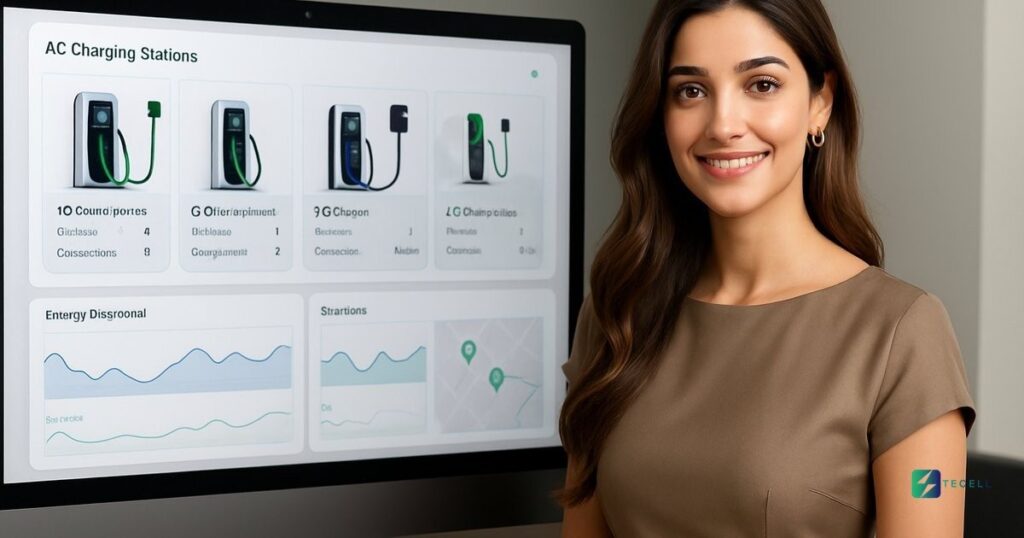
OpenADR enables dynamic load management for fleet charging by allowing real-time grid signals to adjust charging power and timing.
A Charge Management System (CMS) manages concurrent charging sessions by prioritizing sessions, monitoring real-time data, and dynamically allocating power to ensure efficient and safe operations.

Technical requirements for implementing Plug & Charge with CCS2 connectors in commercial fleet setups.
ISO 15118 secures communication between EVs and charging stations in multi-tenant networks through standardized authentication and encryption.
A Charge Point Operator can use OCPI to share real-time charging session data with multiple MSPs, enabling seamless communication and operational efficiency.
OCPP 2.0.1 enables seamless session resumption after network outages by maintaining session state locally and synchronizing with the Central System upon reconnection.
Tecell’s platform handles firmware update scheduling differently for CCS and CHAdeMO connectors, with CCS enabling more frequent, automated updates and CHAdeMO requiring more planned coordination.
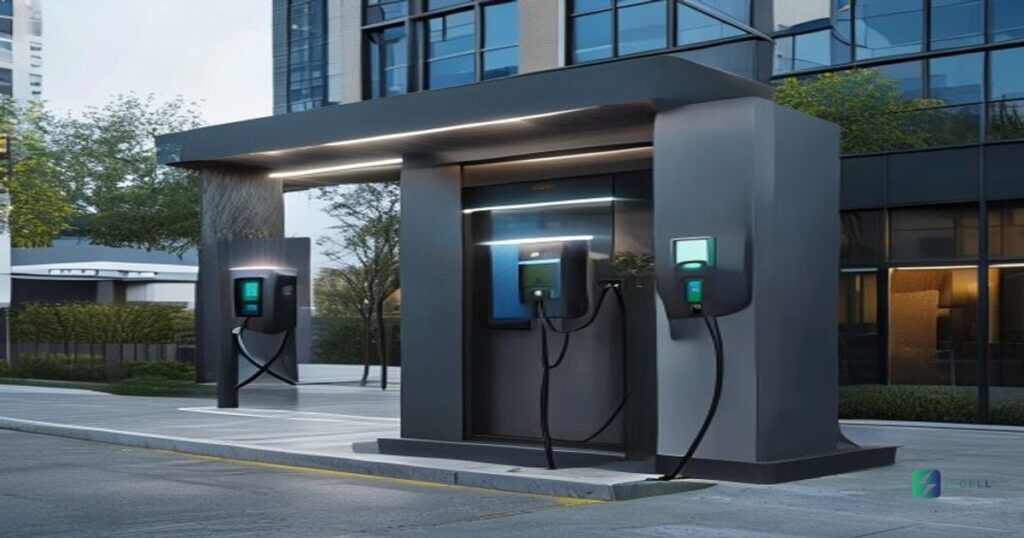
Learn how redundancy and failover mechanisms create resilient EV charging networks essential for urban infrastructure reliability.
Cross-protocol compatibility in EV charging ensures seamless communication between OCPP, OCPI, and proprietary systems, enabling efficient network management and user experience.
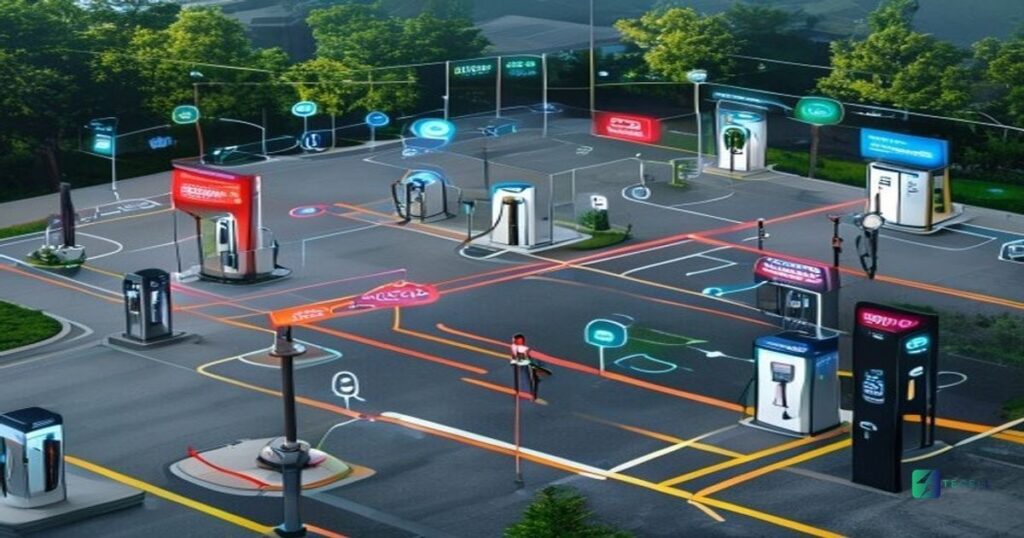
How to integrate Tecell’s CMS with CCS2 EVSE manufacturers in multi-tenant environments.
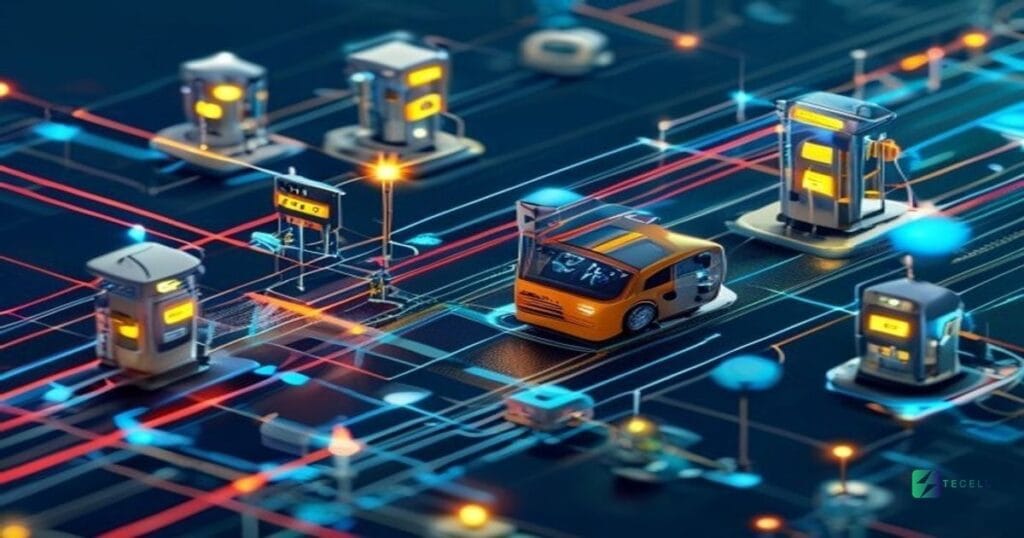
This post explores the technical architecture of ISO 15118 Plug & Charge in DC fast charging, focusing on secure key exchange, certificate validation, and session authorization protocols.
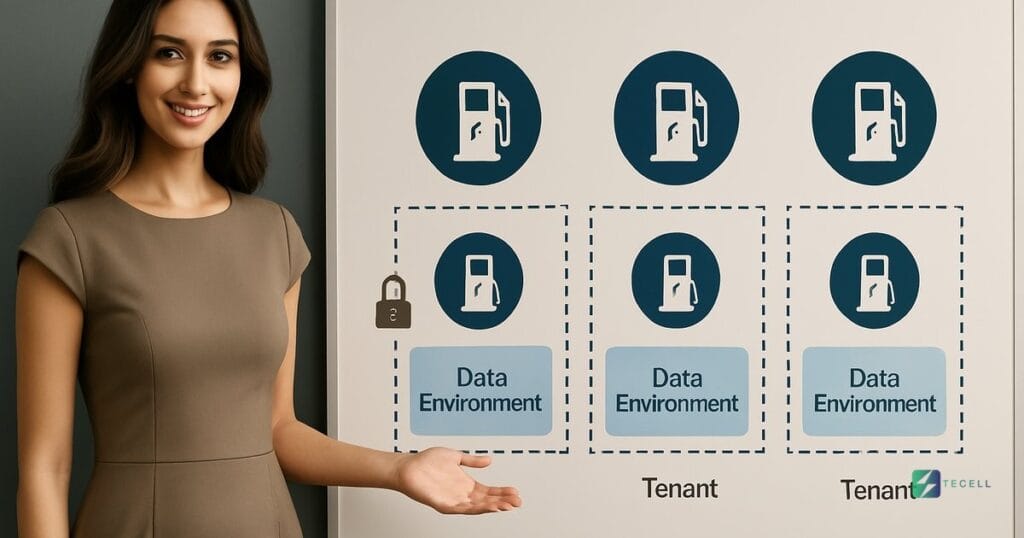
Secure multi-tenant data isolation in EV charging platforms ensures that each tenant’s data remains separate and protected, enabling CPOs to scale efficiently while meeting compliance requirements.
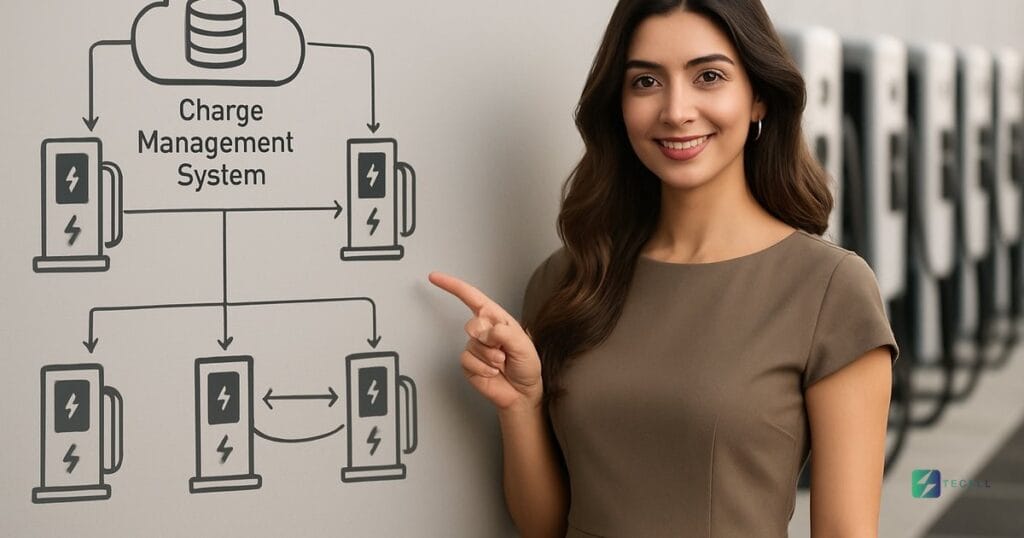
Tecell’s Charge Management System automatically detects and resolves duplicate session IDs across fleet networks to ensure accurate billing and data integrity.
Tecell’s CMS maintains session integrity when chargers switch OCPP versions during active charging.
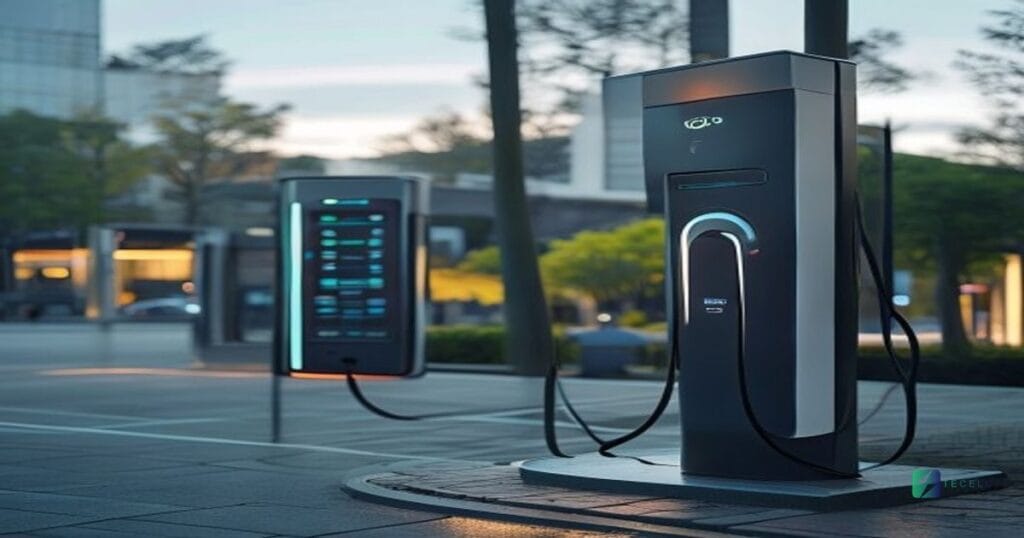
Real-time energy consumption modeling for fleet charging helps operators predict and manage power demand, optimize grid interactions, and reduce operational costs.
This post compares Level 3 and pedestal chargers for urban EV networks, focusing on power delivery, installation, and operational efficiency.
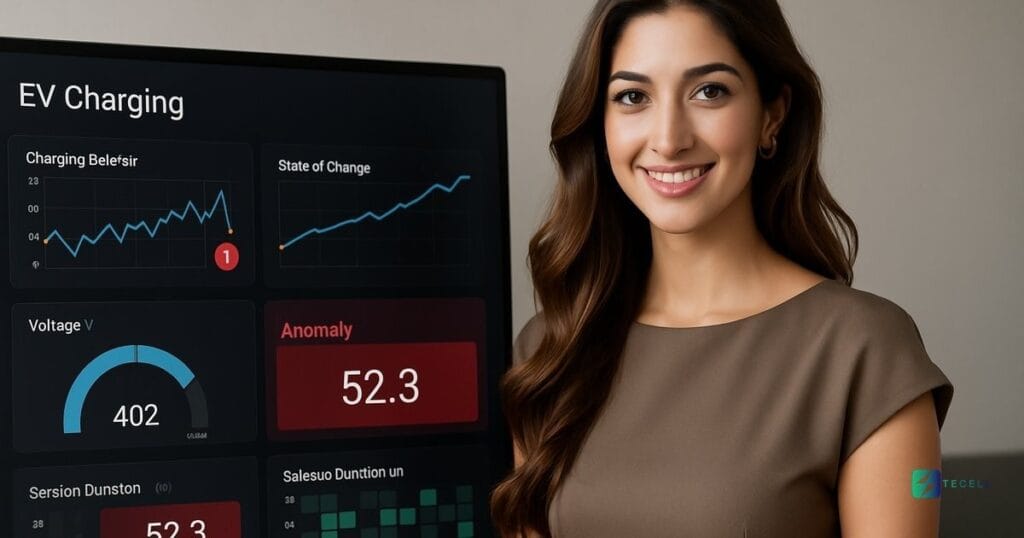
Predictive fault modeling enhances EV charging infrastructure resilience by anticipating component failures before they occur, improving uptime and operational efficiency.
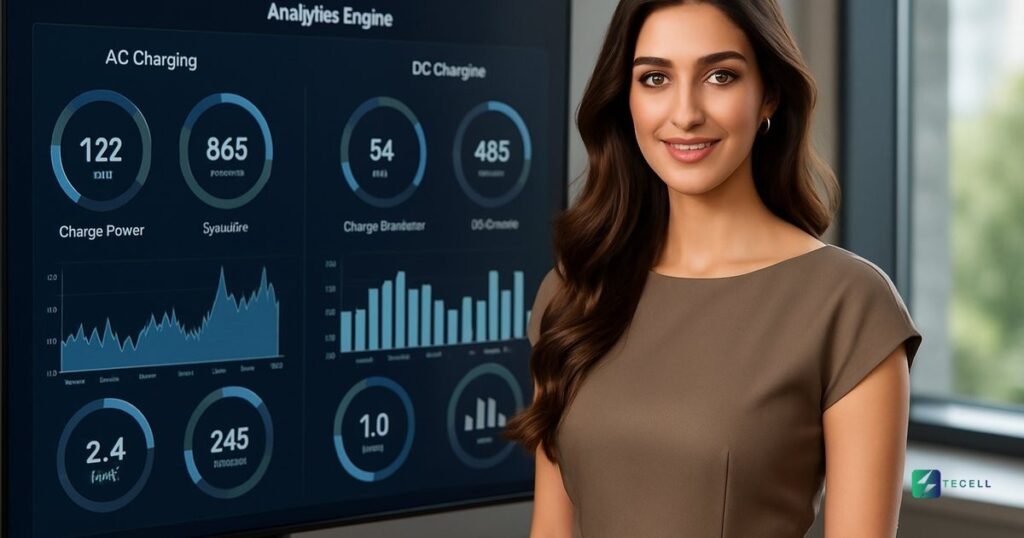
Real-time grid impact assessment in EV charging networks prevents voltage drops and frequency fluctuations through dynamic power allocation algorithms.
Explore the differences between Plug & Charge and ISO 15118 authentication protocols in EV charging, focusing on security, user experience, and deployment considerations.
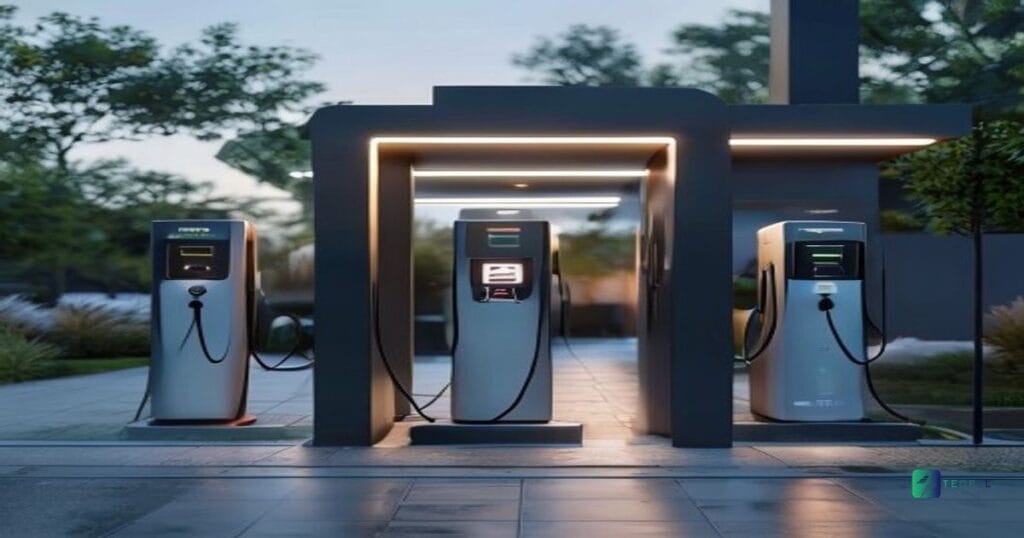
OCPP 1.6J supports dynamic power adjustment during active charging sessions through commands like SetChargingProfile and ChangeAvailability.
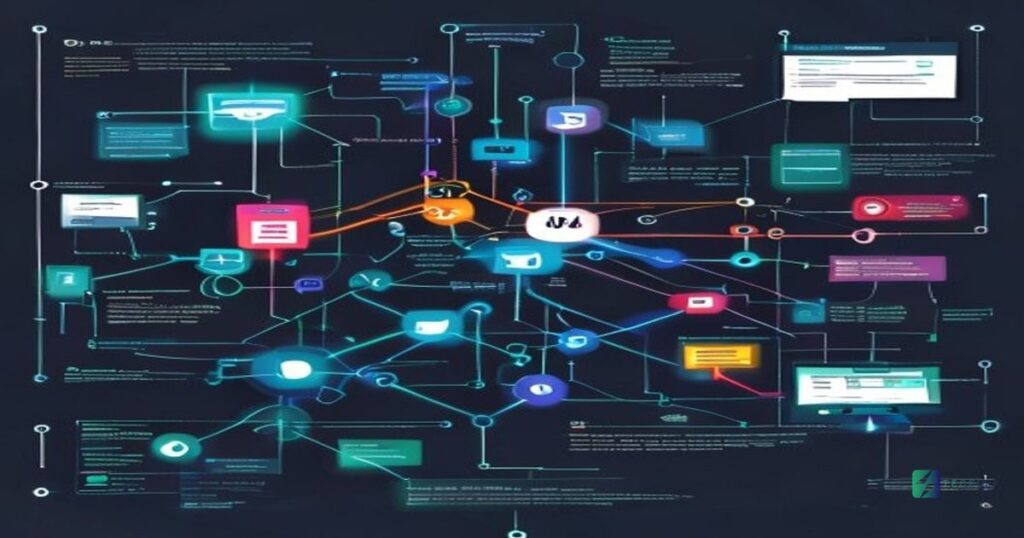
Tecell’s CMS supports integration with third-party EMS systems for real-time energy consumption optimization.
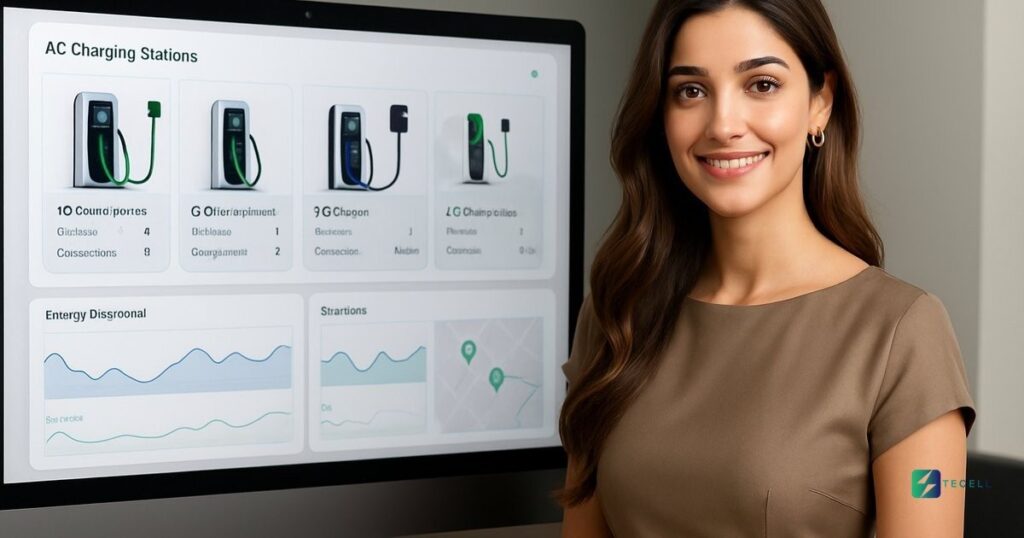
Secure multi-tenant session orchestration in fleet charging ensures isolated, secure access to shared charging resources while enabling efficient transaction management.
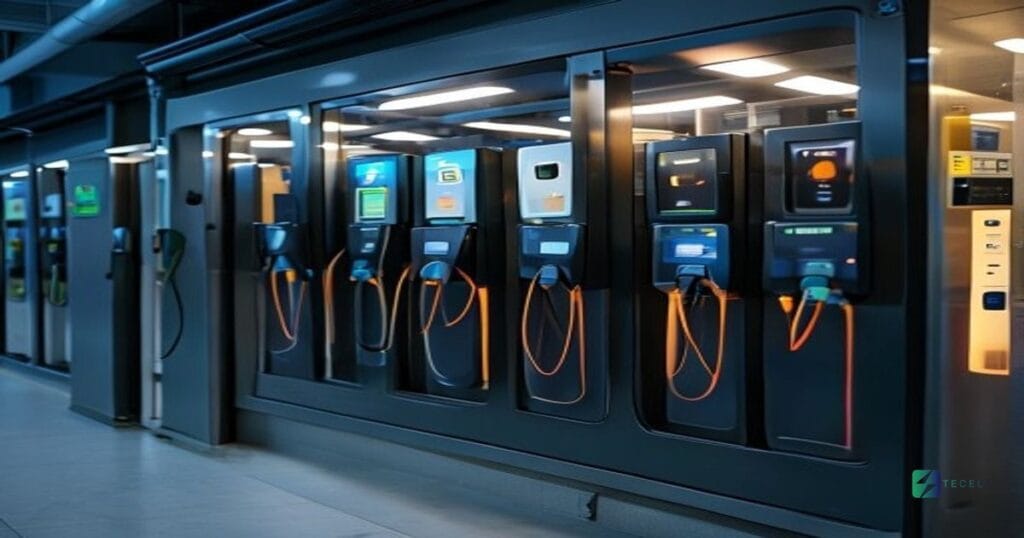
Learn how predictive analytics and root cause analysis can improve fault detection in high-density charging cabinets, reducing downtime and improving system reliability.

Smart charging algorithms for fleet operations balance efficiency, user satisfaction, and grid impact to optimize EV charging across multiple locations.
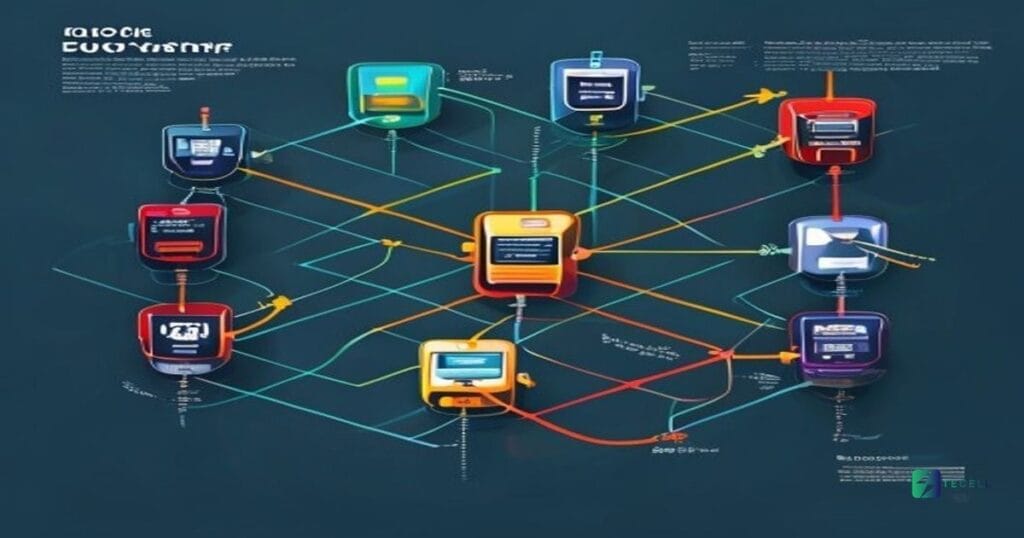
Cross-protocol session synchronization ensures consistent user experience across diverse charging environments using OCPP, OCPI, and proprietary systems.
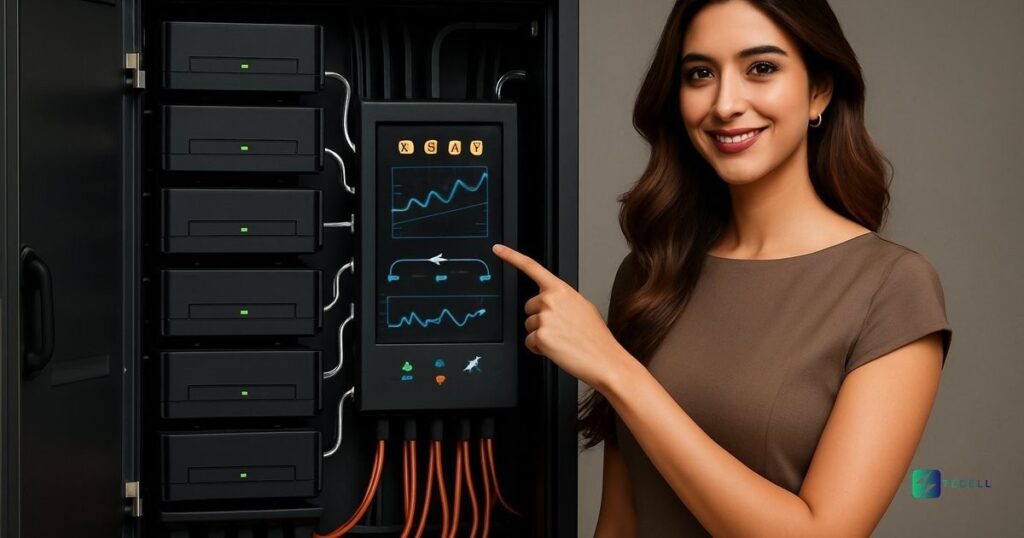
Tecell’s Charge Point Operator software automatically detects failed firmware updates and reverts chargers to stable versions, ensuring minimal downtime in multi-tenant environments.
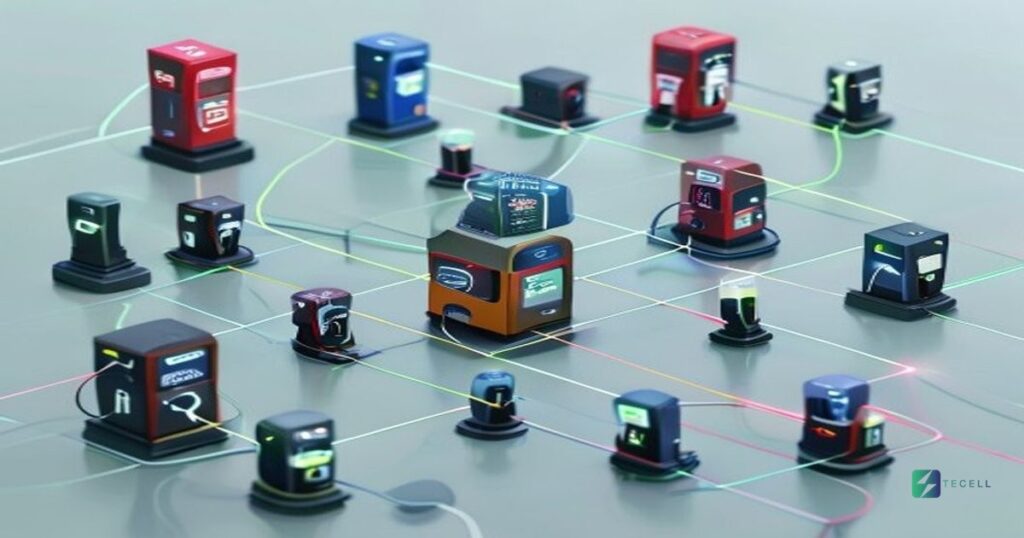
Explore how message queuing and asynchronous processing enable reliable OCPP 2.0.1 session management at scale, ensuring data integrity and system resilience in EV charging networks.
OCPP 2.0.1 allows multiple charging sessions, but the exact number depends on hardware and configuration.
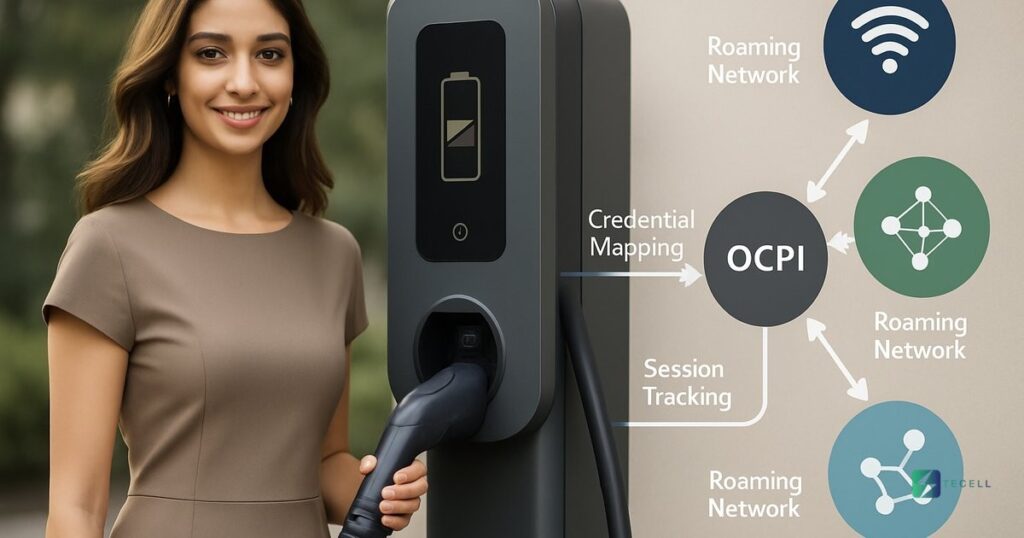
Tecell’s platform resolves charging sessions involving multiple roaming credentials through a unified OCPI transaction process.
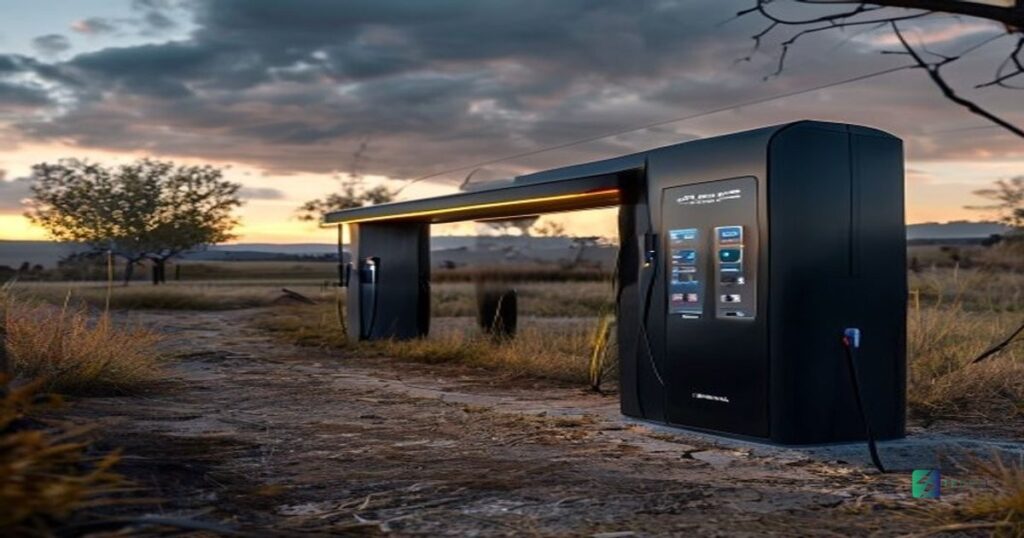
Explore how edge computing enhances charging infrastructure resilience by enabling localized decision-making, real-time load balancing, and autonomous fault recovery in remote locations.

Tecell ensures ISO 15118 Plug & Charge compliance for fleet applications through embedded protocol support in ChargeSphere and CMS.
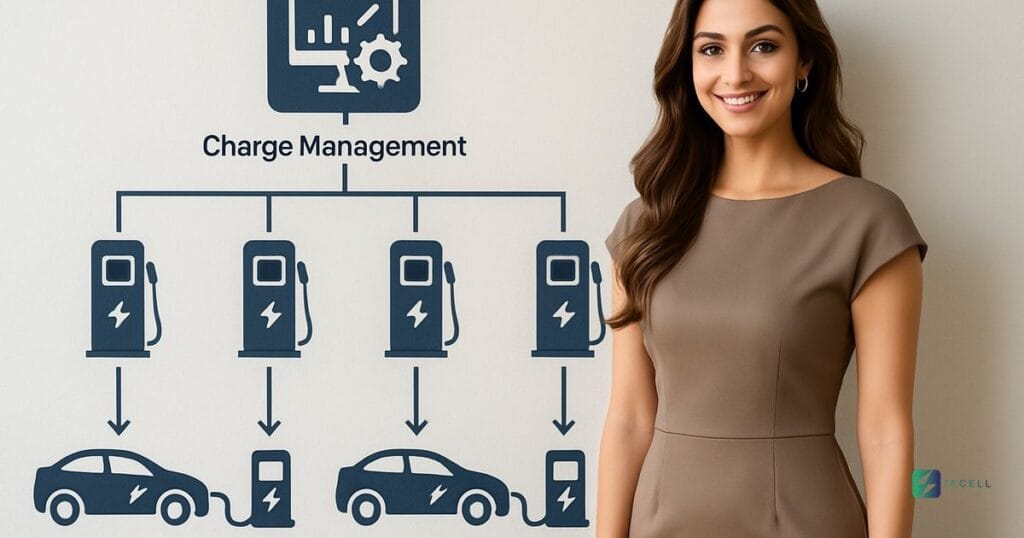
Tecell’s Charge Management System supports a high number of concurrent charging sessions, scaling based on deployment configuration and infrastructure.

Smart charging for urban microgrids integrates EVSEs with local energy storage and solar generation to optimize grid stability and reduce peak demand charges.
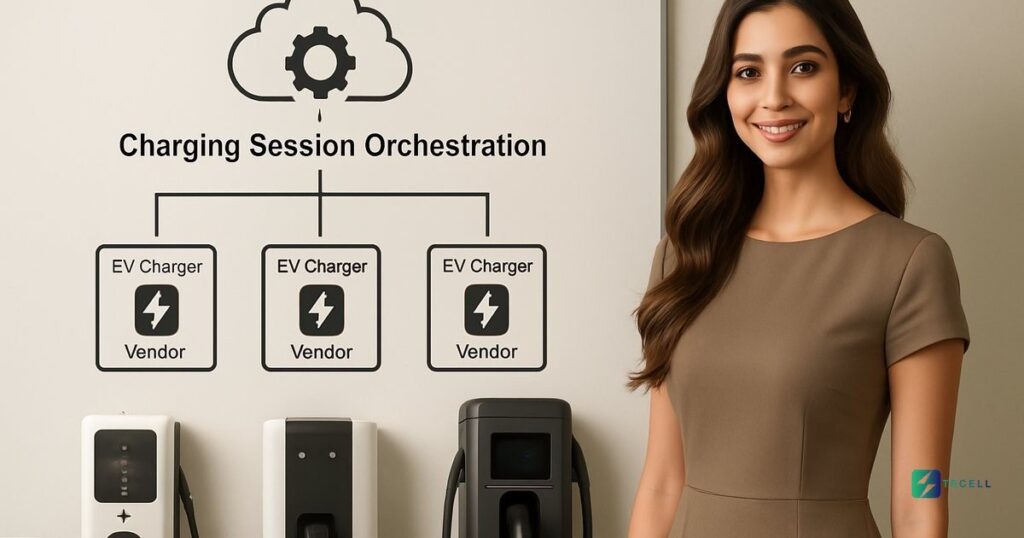
How network latency impacts real-time meter value updates in Tecell’s CMS for remote chargers in multi-tenant setups.
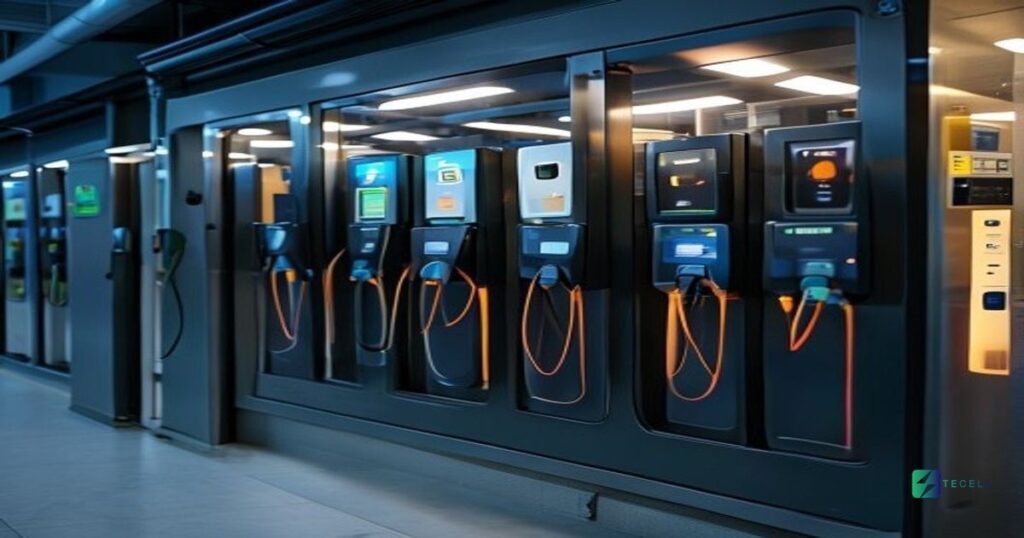
Explore how adaptive power distribution in AC/DC hybrid charging cabinets uses machine learning to optimize dynamic load allocation for efficient EV charging.
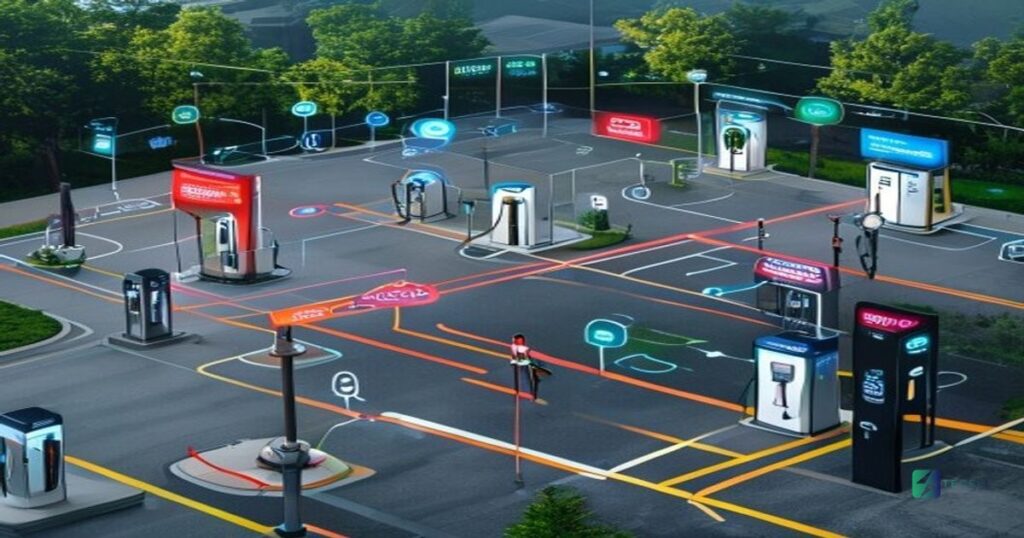
Tecell’s Charge Point Operator software uses role-based permissions and zone-specific settings to manage user access control for different charging zones.

ISO 15118 enables secure key exchange in Plug & Charge scenarios through PKI and cryptographic protocols.
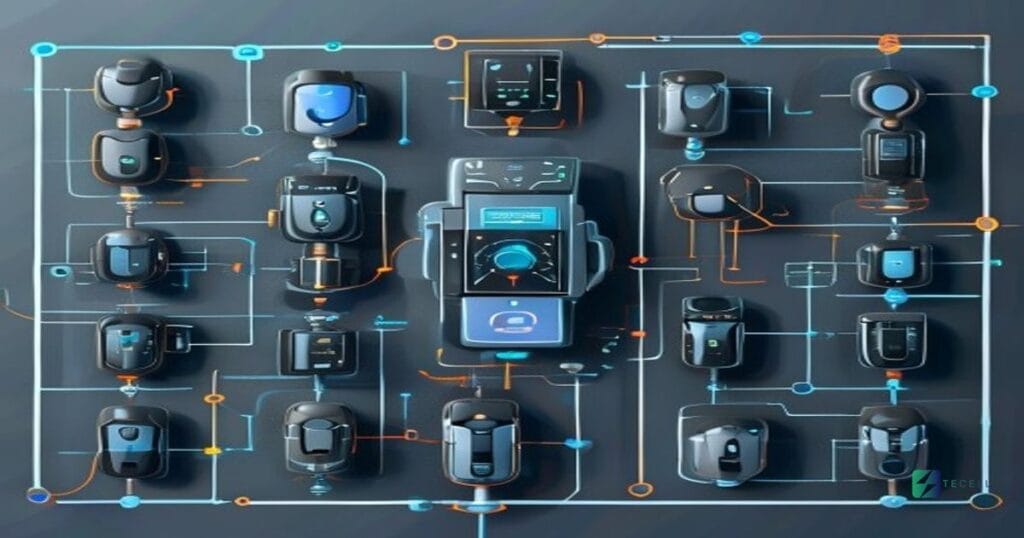
Tecell’s OCPP gateway supports hundreds of concurrent WebSocket connections during peak charging hours, with performance scaling based on hardware and network capacity.

Predictive diagnostics in EVSE hardware uses telemetry data and AI to anticipate component failures, reducing downtime and maintenance costs for operators.
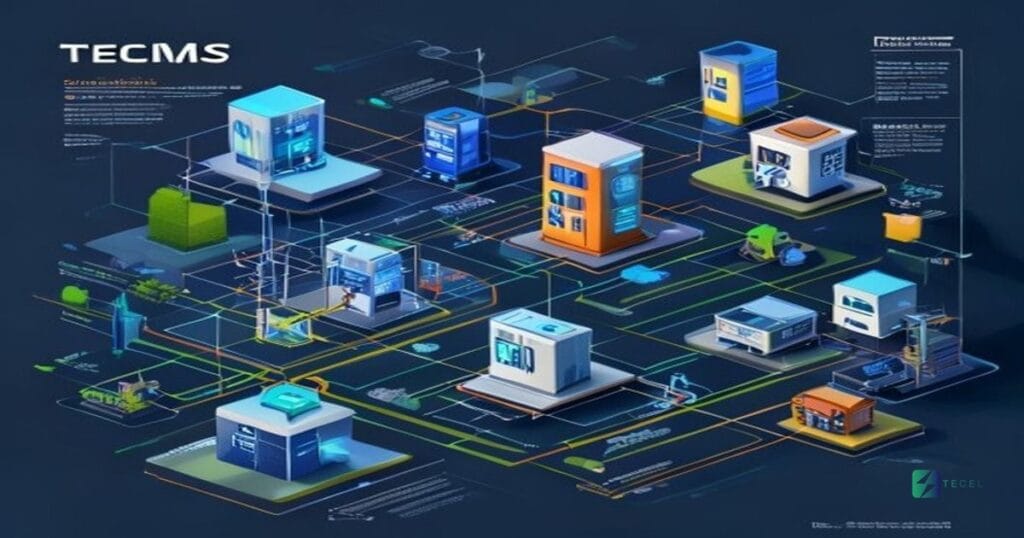
Tecell’s CMS supports integration with third-party energy storage systems for smart charging optimization.

Explore how dynamic power distribution in DC fast charging networks adapts to variable grid conditions and user demand for improved efficiency and reliability.
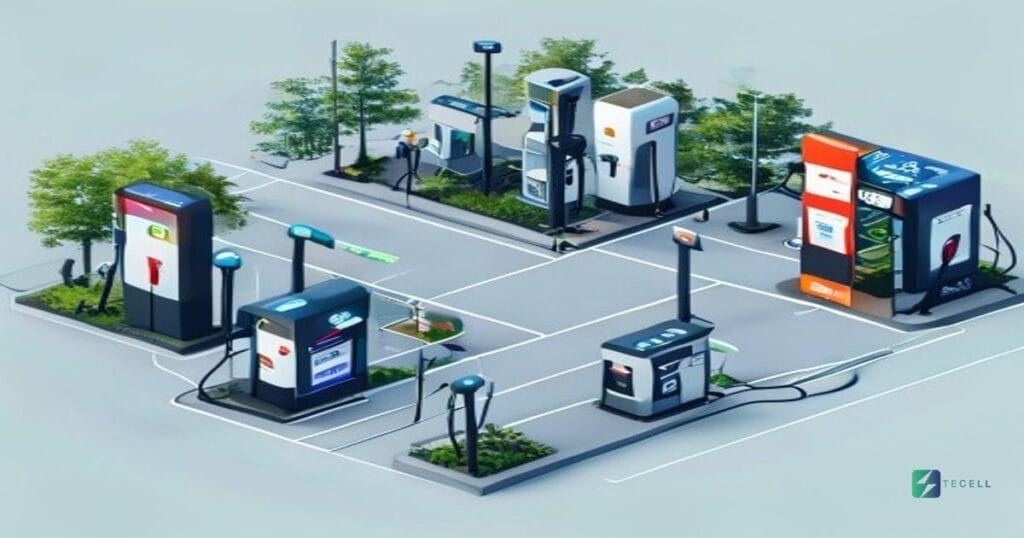
Tecell enables charge point operators to manage multi-tenant billing for shared charging infrastructure through isolated transaction tracking and automated revenue allocation.
Understanding OpenADR security implications when using Tecell’s CMS for demand response programs.

Tecell’s software maintains session integrity when chargers go offline and reconnect, ensuring no data loss or billing issues.

Learn how centralized firmware management systems streamline updates across diverse charging hardware in fleet environments.
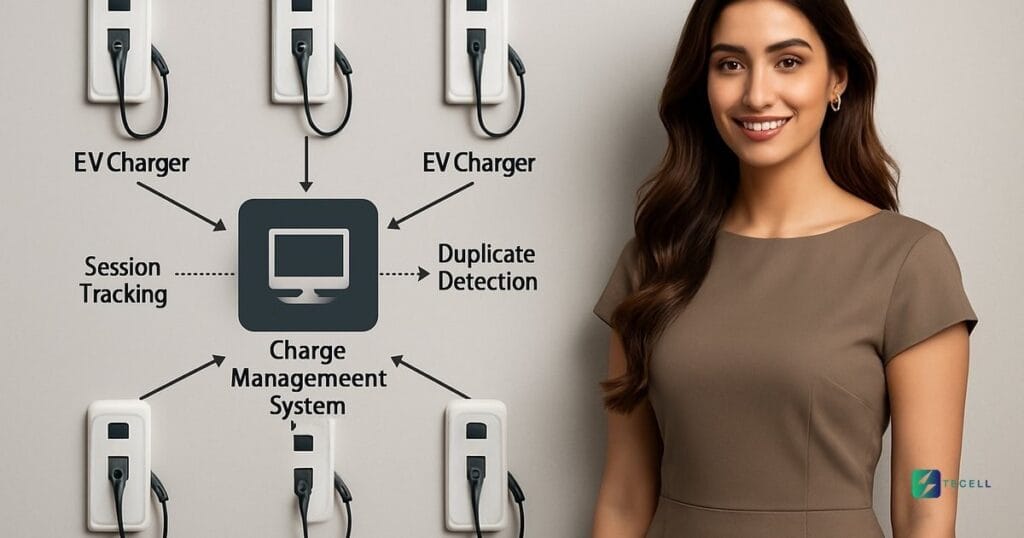
Tecell’s CMS enables dynamic role-based access control for charging zones in multi-tenant environments.
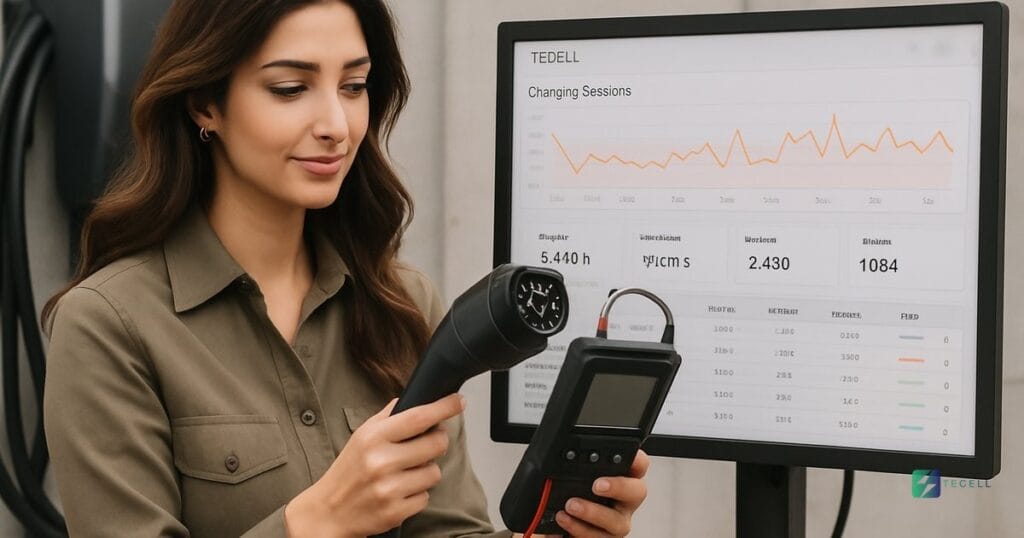
Tecell’s CMS does not currently support real-time monitoring of charging cable health or connector wear, but it provides session and usage data for operational insights.
OCPI supports real-time tariff updates from multiple Energy Service Providers, enabling dynamic pricing in roaming networks.