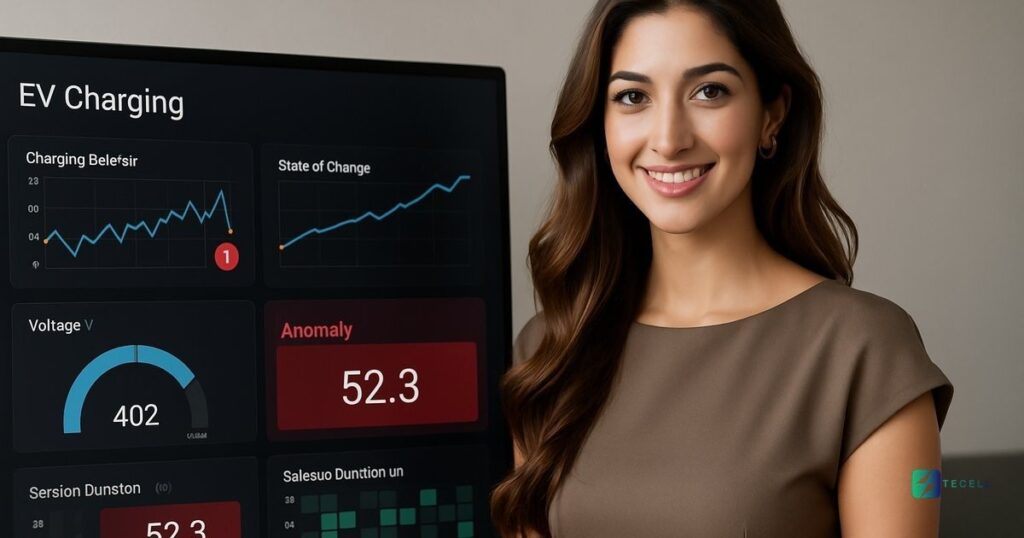
OCPP 2.0.1 Concurrent Charging Sessions Limit
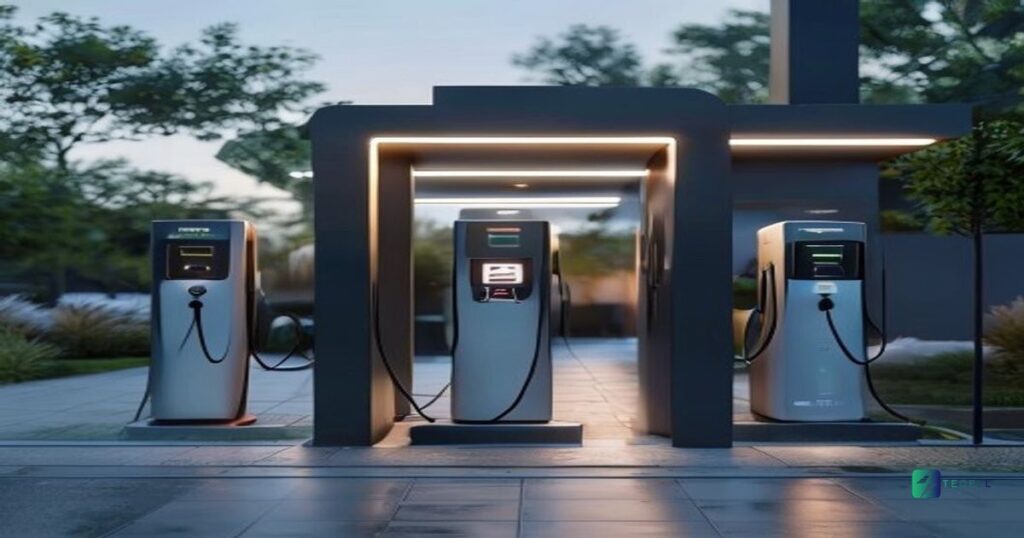
OCPP 2.0.1 allows multiple charging sessions, but the exact number depends on hardware and configuration.
Tecell’s platform resolves charging sessions involving multiple roaming credentials through a unified OCPI transaction process.
Explore how edge computing enhances charging infrastructure resilience by enabling localized decision-making, real-time load balancing, and autonomous fault recovery in remote locations.
Tecell ensures ISO 15118 Plug & Charge compliance for fleet applications through embedded protocol support in ChargeSphere and CMS.
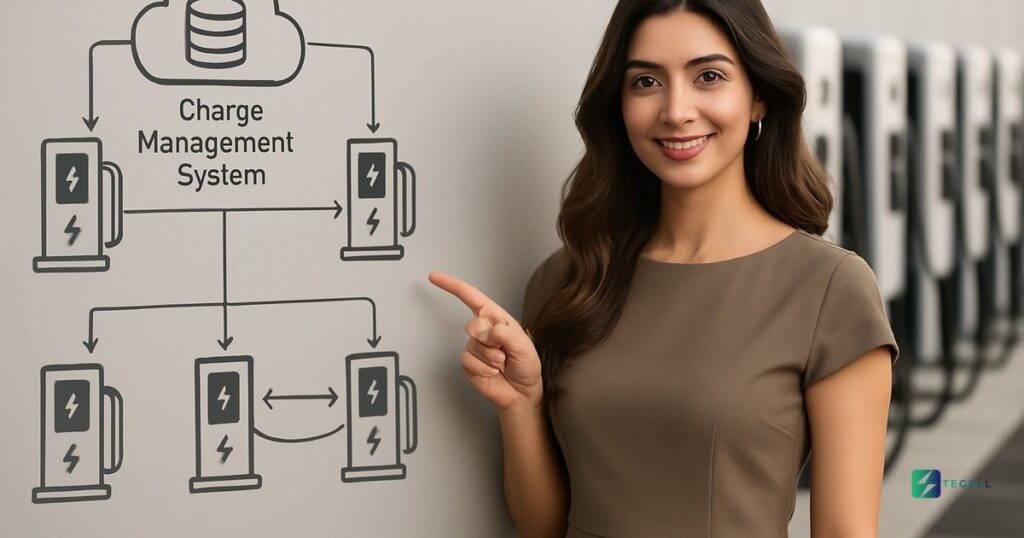
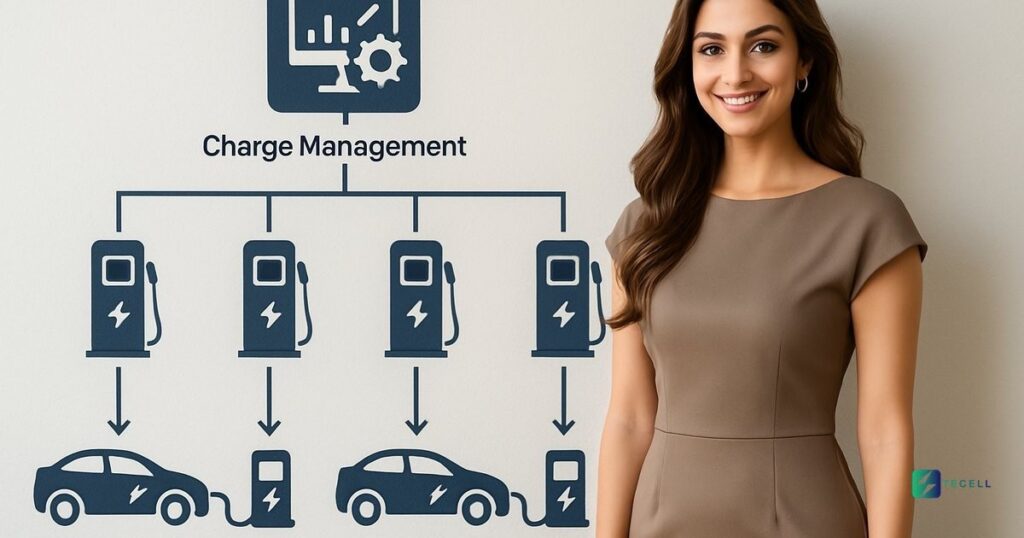
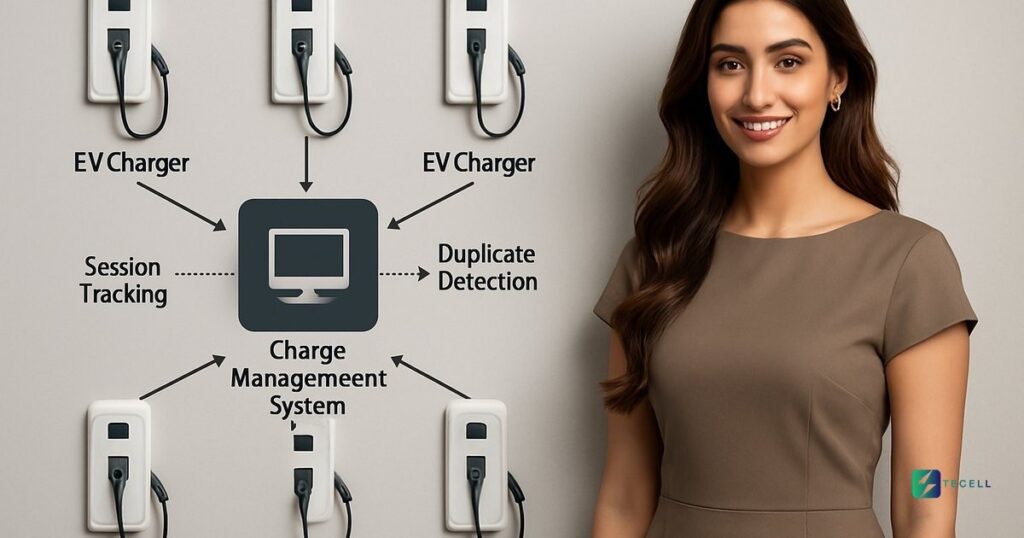
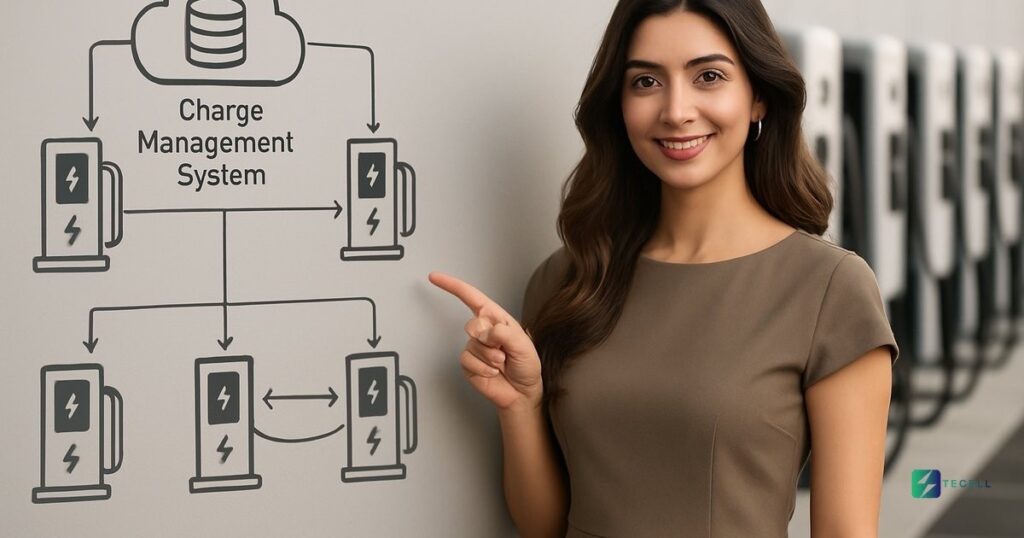
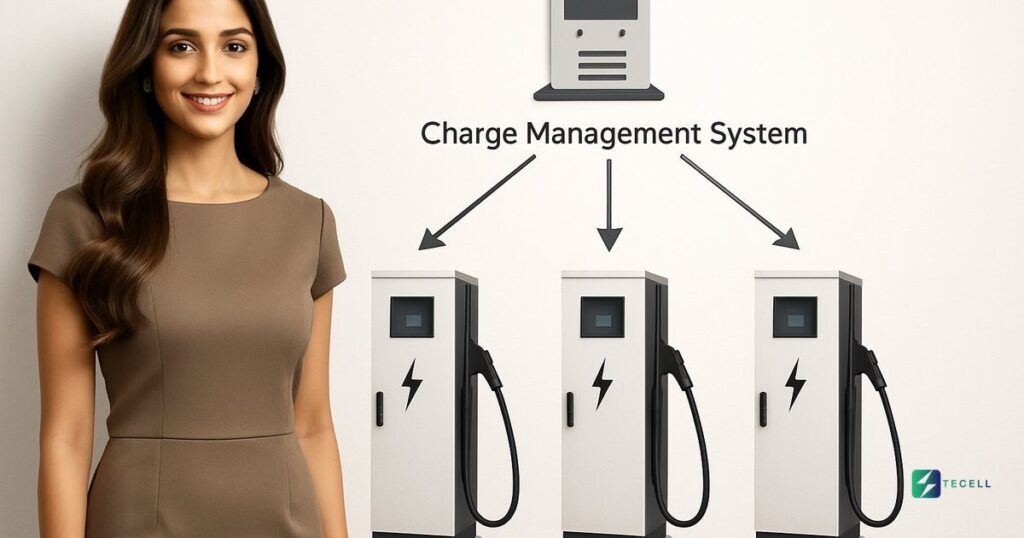
Tecell’s Charge Management System supports a high number of concurrent charging sessions, scaling based on deployment configuration and infrastructure.
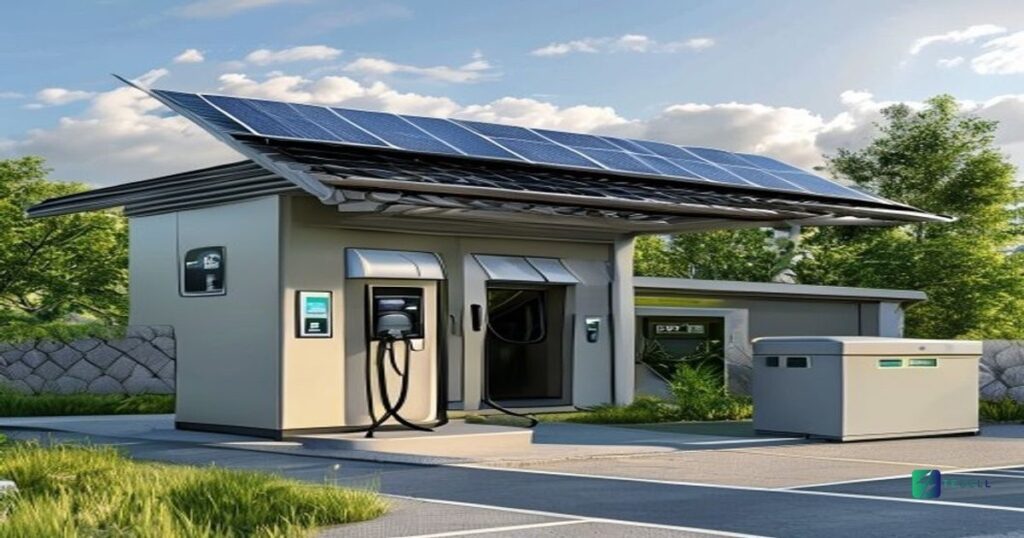
Smart charging for urban microgrids integrates EVSEs with local energy storage and solar generation to optimize grid stability and reduce peak demand charges.
How network latency impacts real-time meter value updates in Tecell’s CMS for remote chargers in multi-tenant setups.
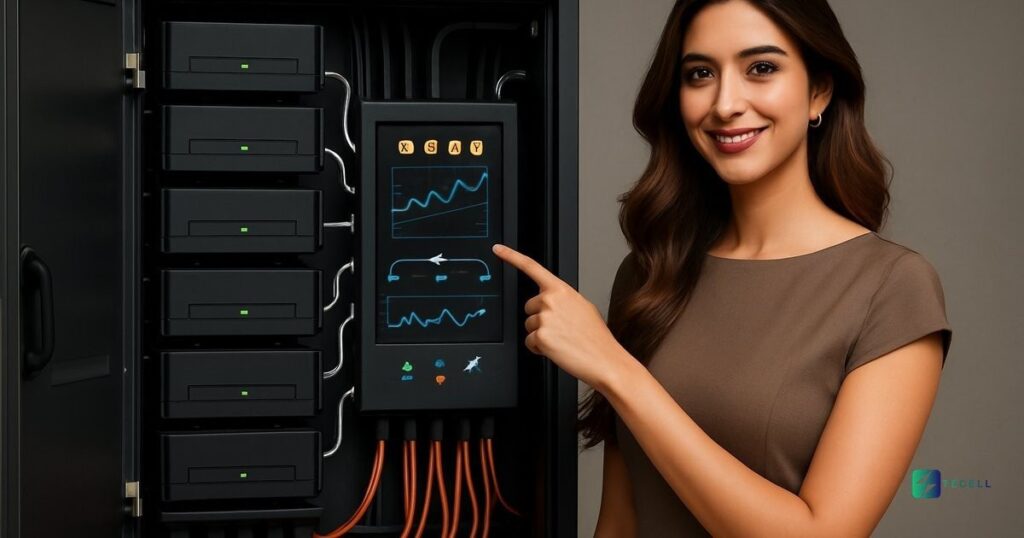
Explore how adaptive power distribution in AC/DC hybrid charging cabinets uses machine learning to optimize dynamic load allocation for efficient EV charging.
Tecell’s Charge Point Operator software uses role-based permissions and zone-specific settings to manage user access control for different charging zones.
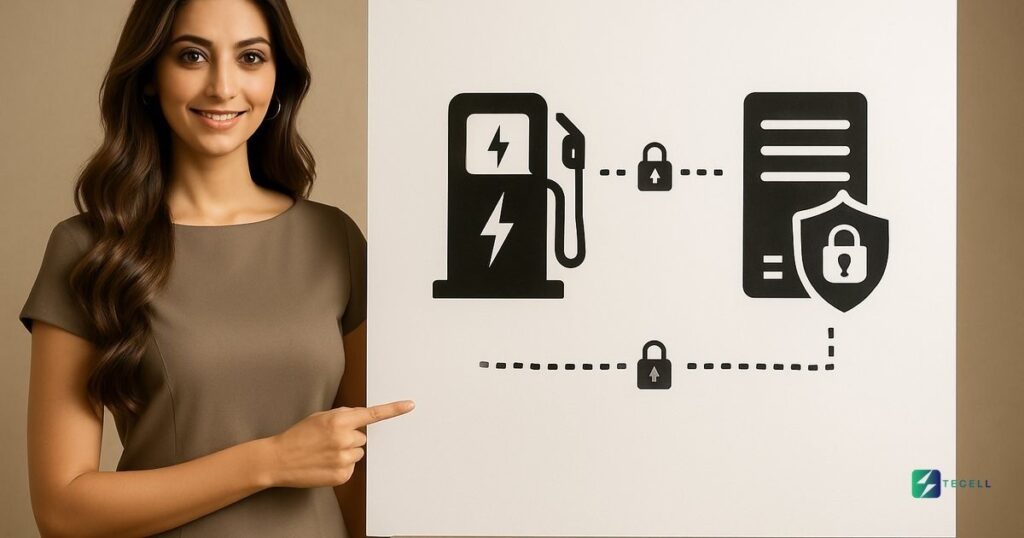
ISO 15118 enables secure key exchange in Plug & Charge scenarios through PKI and cryptographic protocols.
Tecell’s OCPP gateway supports hundreds of concurrent WebSocket connections during peak charging hours, with performance scaling based on hardware and network capacity.
Predictive diagnostics in EVSE hardware uses telemetry data and AI to anticipate component failures, reducing downtime and maintenance costs for operators.
Tecell’s CMS supports integration with third-party energy storage systems for smart charging optimization.
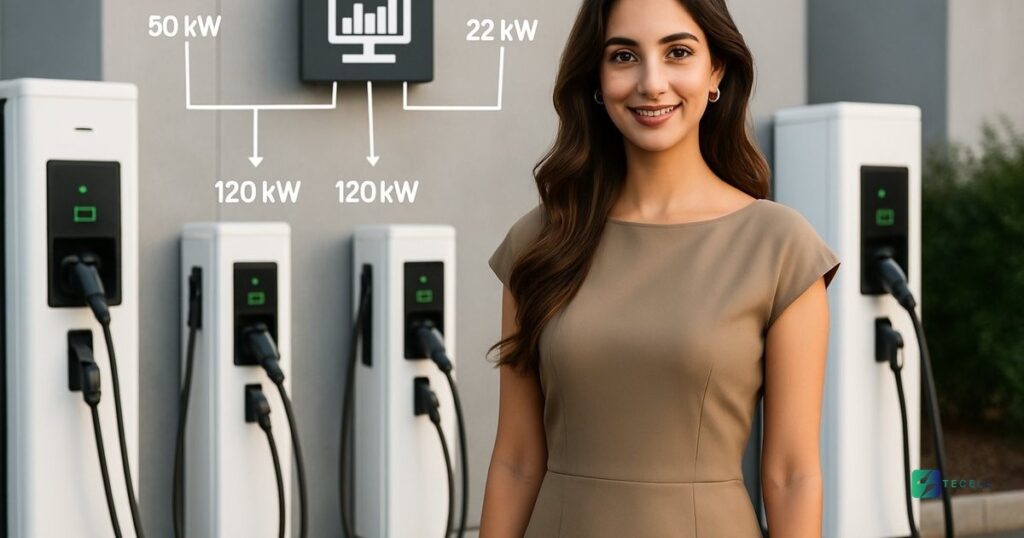
Explore how dynamic power distribution in DC fast charging networks adapts to variable grid conditions and user demand for improved efficiency and reliability.
Tecell enables charge point operators to manage multi-tenant billing for shared charging infrastructure through isolated transaction tracking and automated revenue allocation.
Understanding OpenADR security implications when using Tecell’s CMS for demand response programs.
Tecell’s software maintains session integrity when chargers go offline and reconnect, ensuring no data loss or billing issues.
Learn how centralized firmware management systems streamline updates across diverse charging hardware in fleet environments.
Tecell’s CMS enables dynamic role-based access control for charging zones in multi-tenant environments.
Tecell’s CMS does not currently support real-time monitoring of charging cable health or connector wear, but it provides session and usage data for operational insights.
OCPI supports real-time tariff updates from multiple Energy Service Providers, enabling dynamic pricing in roaming networks.
Tecell’s analytics engine uses real-time data analysis and machine learning to detect hardware failures before they occur.
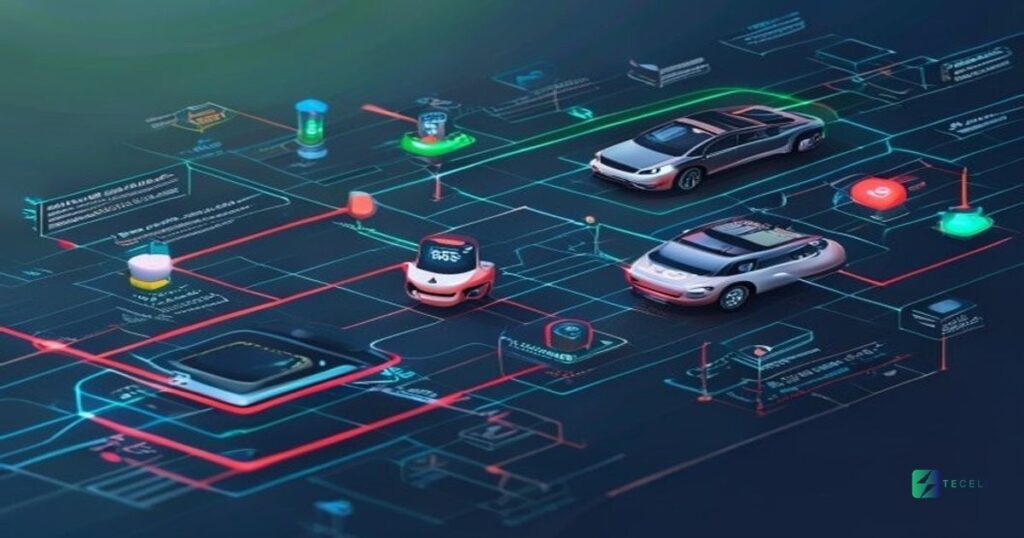
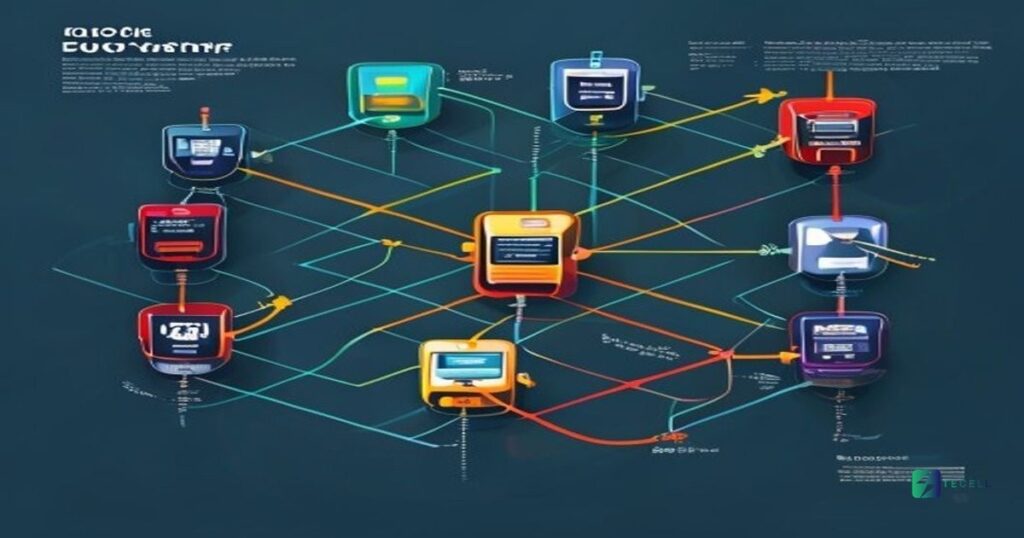
Cross-protocol gateway design enables unified management of diverse EV charging hardware by translating between OCPP, OCPI, and proprietary APIs.
Tecell’s platform automatically isolates failed power modules and redistributes load to ensure continuous charging operations.
How to integrate Tecell’s CMS with CCS2 EVSE manufacturers using OCPP and secure communication protocols.
Learn how firmware rollback and recovery mechanisms ensure operational continuity in distributed EV charging networks, especially in remote and multi-tenant environments.
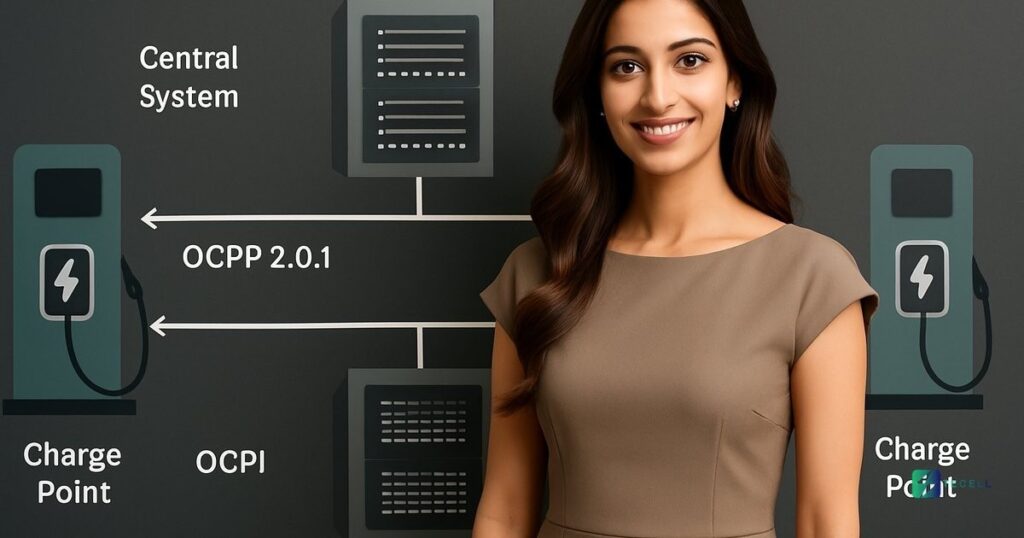
Understanding how OCPP 2.0.1 and OCPI manage sessions in multi-tenant networks.
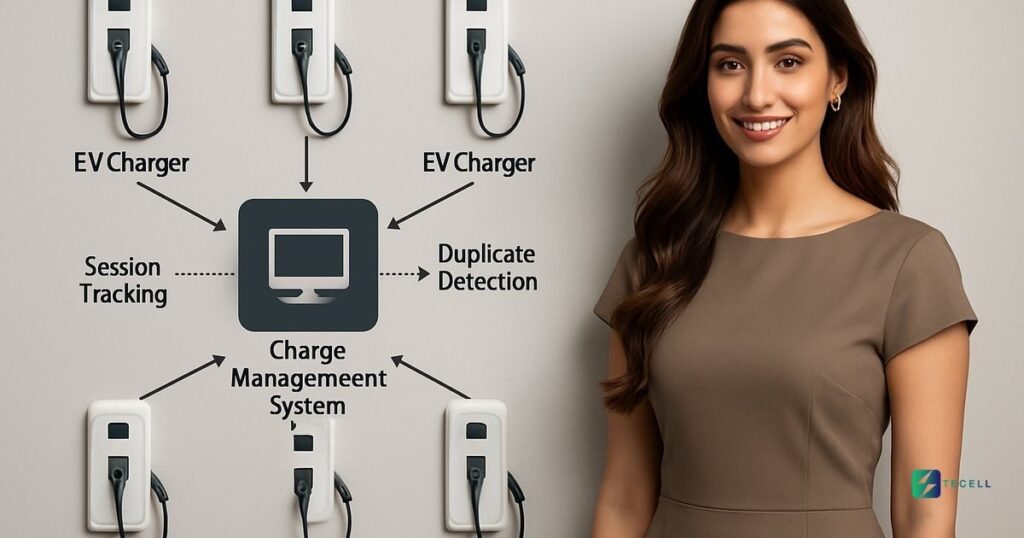
Tecell’s Charge Management System uses unique identifiers and real-time log tracking to detect and resolve duplicate session data from multiple chargers.
Understanding the technical differences between CCS1 and CCS2 connector protocols in terms of communication speed and data exchange.
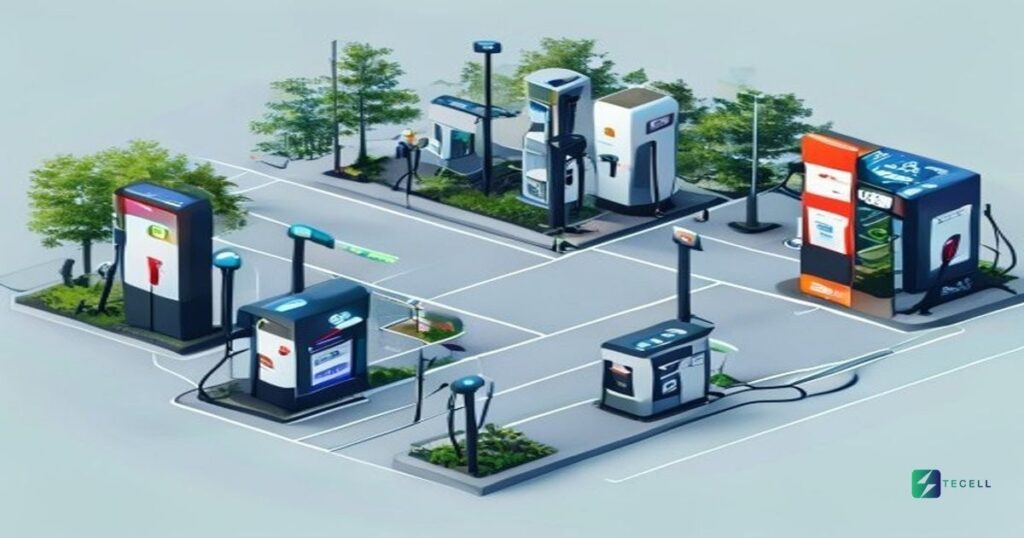
Tecell’s CMS supports automatic load balancing using dynamic power allocation algorithms across multiple charging cabinets.
Smart charging for fleet operations integrates vehicle-to-grid (V2G) capabilities with real-time energy pricing to reduce costs and improve efficiency.
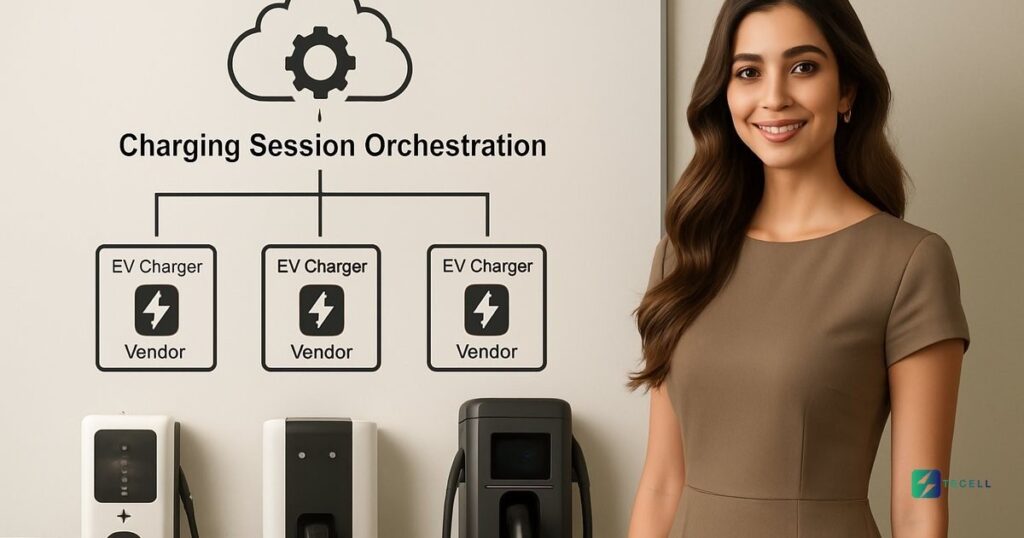
Tecell’s CMS supports custom authentication methods for fleet charging, enabling integration with corporate credentials and proprietary systems.
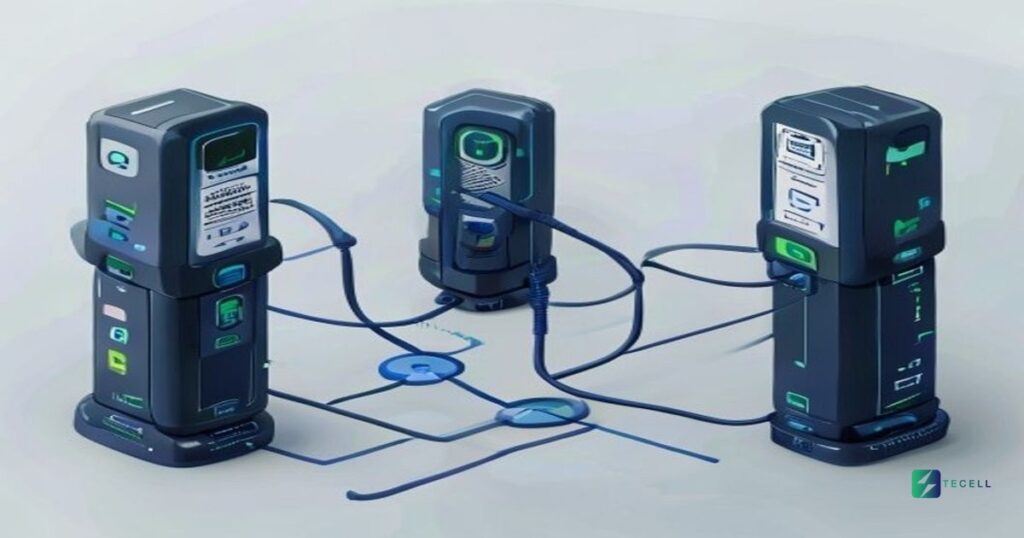
Learn how energy consumption profiling helps fleet operators optimize charging schedules, reduce costs, and improve efficiency through advanced analytics.
Tecell’s platform handles charging sessions for users with multiple roaming credentials by mapping each credential to a unique identifier within the OCPI framework.
OCPP 2.0.1 manages session cancellation when a charger becomes unavailable during an active charging session by sending specific event messages and updating transaction status.
Tecell ensures secure EV charger communication using both TLS 1.2 and TLS 1.3, supporting hybrid networks with strong encryption and dynamic protocol negotiation.
Explore how gateway architecture enables seamless integration of OCPP 2.0.1, ISO 15118, and legacy systems for cross-platform interoperability in EV charging.
Network latency impacts real-time diagnostics in Tecell’s CMS by causing delays in data transmission, affecting accuracy and response times.
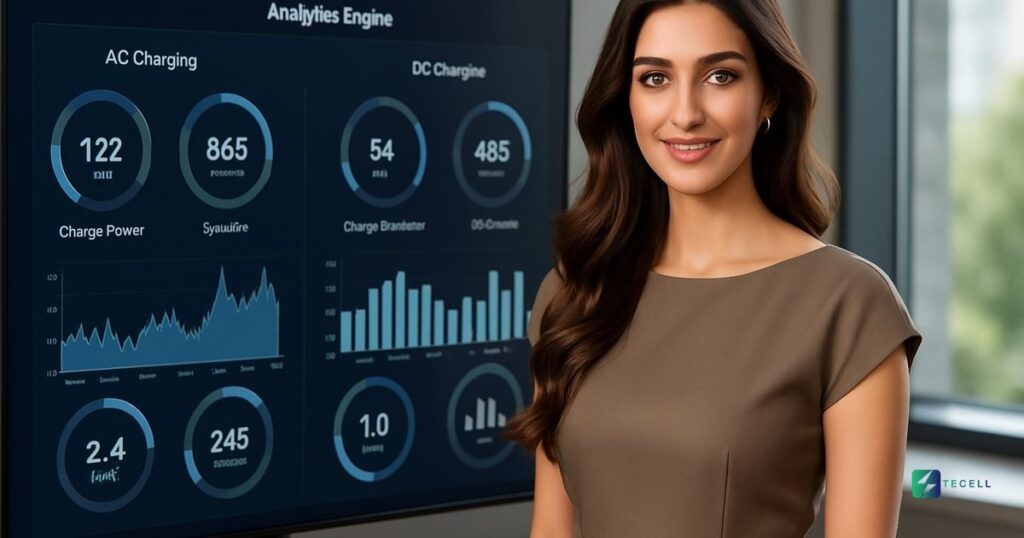
Tecell’s analytics engine processes and correlates data from both AC and DC charging stations through standardized protocols and time-series algorithms.
Explore how edge-cloud hybrid architecture enables real-time charging analytics for distributed EV networks, combining local processing with centralized intelligence for improved efficiency and responsiveness.
Tecell ensures ISO 15118 Plug & Charge compliance for fleet applications through secure, multi-tenant authentication and standardized communication protocols.
Tecell’s CMS supports automatic load balancing across multiple charging cabinets in a single network.
Tecell’s CMS supports real-time tariff adjustments based on OpenADR grid congestion signals, enabling dynamic pricing for charging operations.
Learn how Charge Point Operators use OpenADR signals to balance power loads across DC fast chargers in real time.
Real-time power flow optimization in DC fast charging networks uses machine learning to dynamically adjust charging power based on grid constraints and user demand.
Tecell ensures secure communication with chargers using both OCPP 1.6J and OCPP 2.0.1 through TLS encryption, mutual authentication, and protocol-specific validation.
A secure multi-tenant charging data mesh allows CPOs to share insights while maintaining operational isolation and compliance.
Tecell’s CMS supports real-time tariff switching based on time-of-use pricing, enabling dynamic rate adjustments for cost-effective charging operations.
Tecell’s CMS supports integration with third-party EMS systems for real-time energy optimization in multi-tenant environments.
OCPP 2.0.1 enhances session management for fleet operators with improved tariff handling and real-time pricing support.
Understanding how firmware update scheduling differs between Level 2 and Level 3 chargers in Tecell’s platform.
Explore how OCPP session resilience patterns ensure charging continuity during network disruptions, with real-world examples and insights from Tecell’s CMS implementation.
Tecell’s CMS supports concurrent OCPP 2.0.1 firmware updates with rollback capabilities for seamless fleet management.
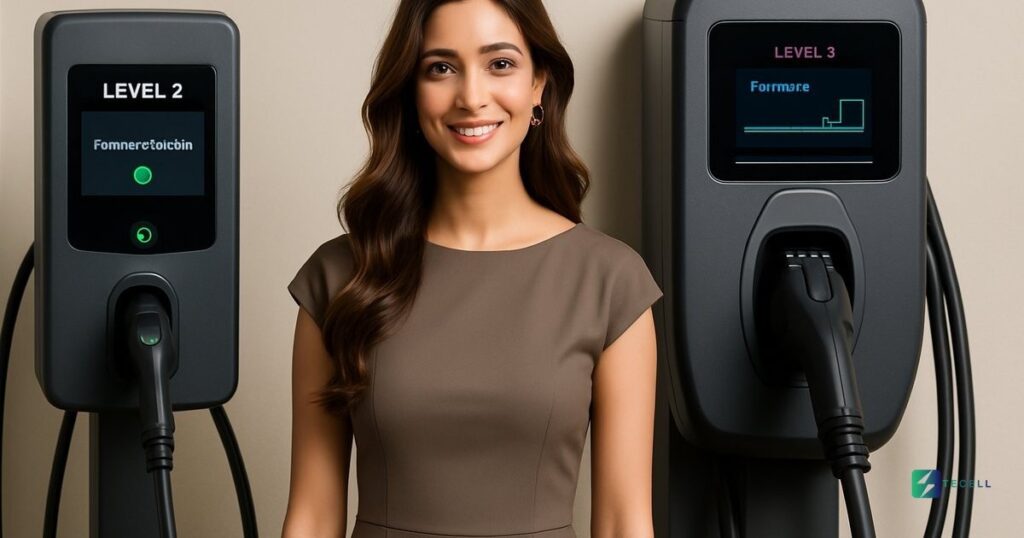
This guide explores the operational efficiency, power delivery, and cost-benefit analysis of Level 2 vs Level 3 EV chargers for urban charging networks.
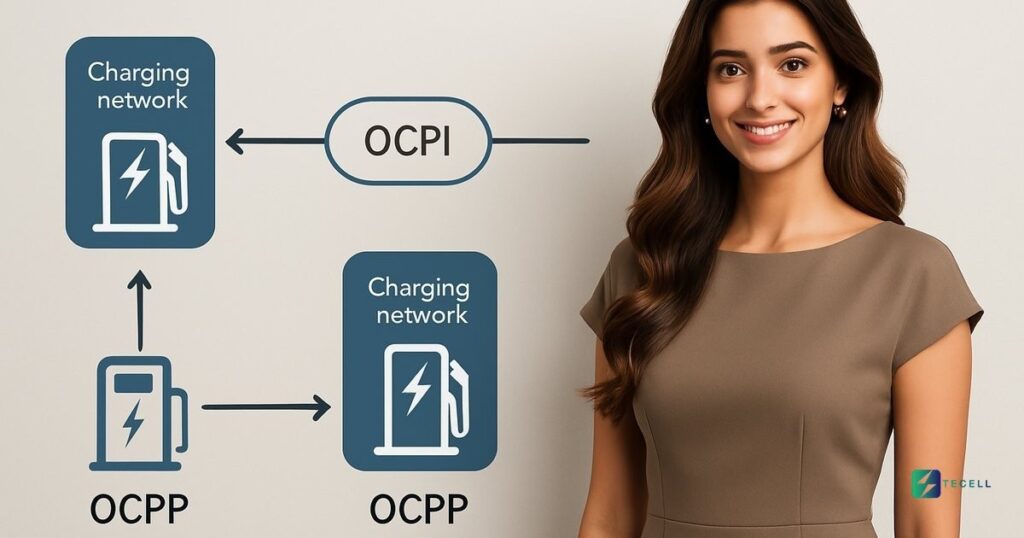
A practical comparison of OCPP and OCPI protocols for Charge Point Operators, focusing on real-world applications and infrastructure management.
Tecell’s CMS maintains session integrity when chargers switch from OCPP 1.6J to OCPP 2.0.1 mid-session through dynamic adaptation and data preservation.
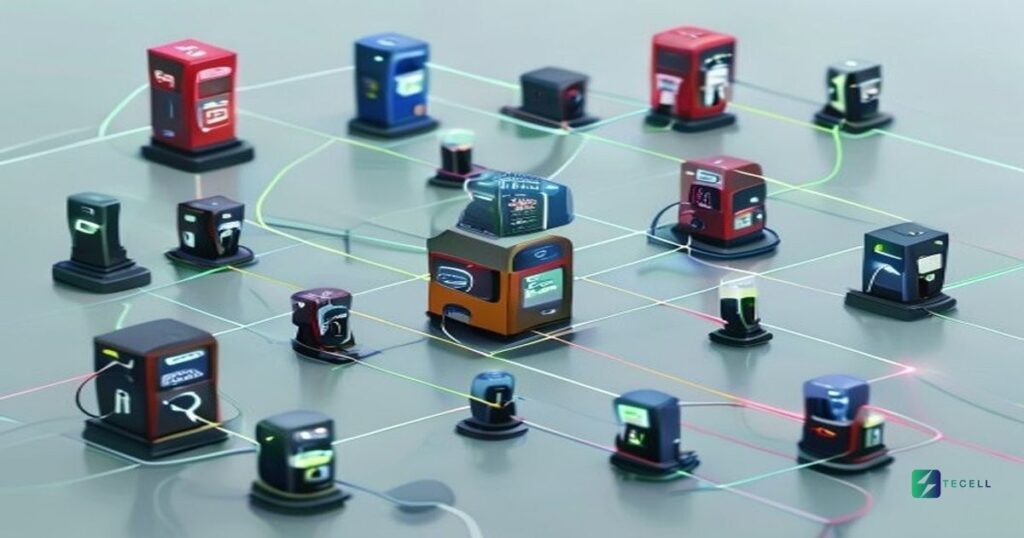
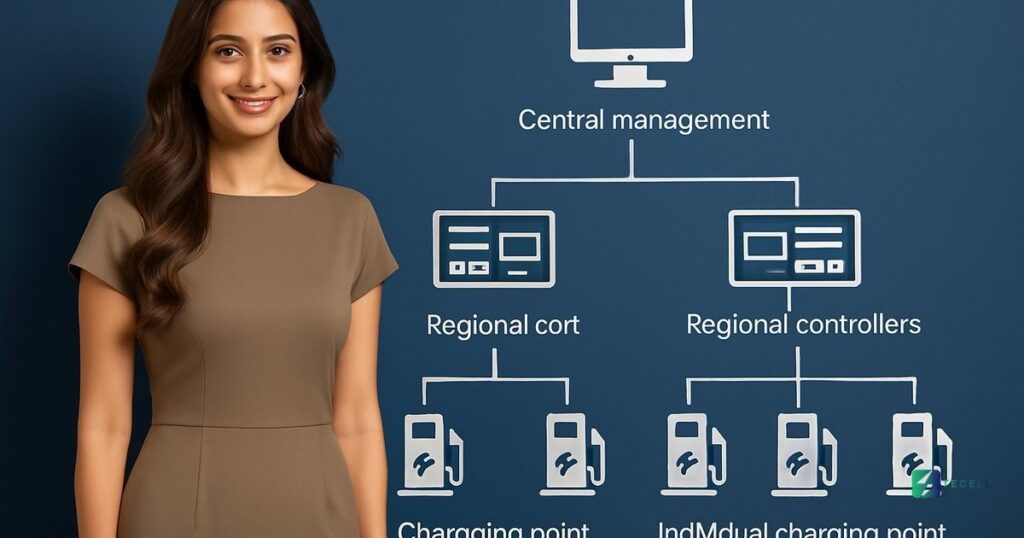
Learn how hierarchical charging network topologies enable scalable EV fleet operations from single sites to multi-region deployments.
Learn how embedded sensors and machine learning enable effective cable health monitoring at scale for EV charging infrastructure.
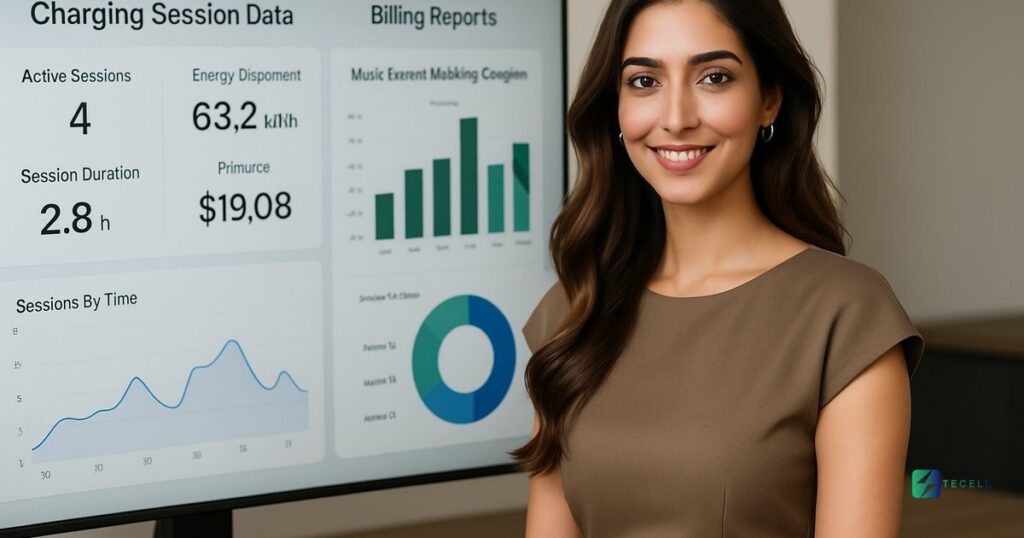
Learn how session data transforms EV charging operations through analytics, enabling smarter tariff strategies and load balancing for better revenue and performance.
Explore how Tecell’s Charge Management System and OCPP integration ensure end-to-end communication integrity in EV charging ecosystems.
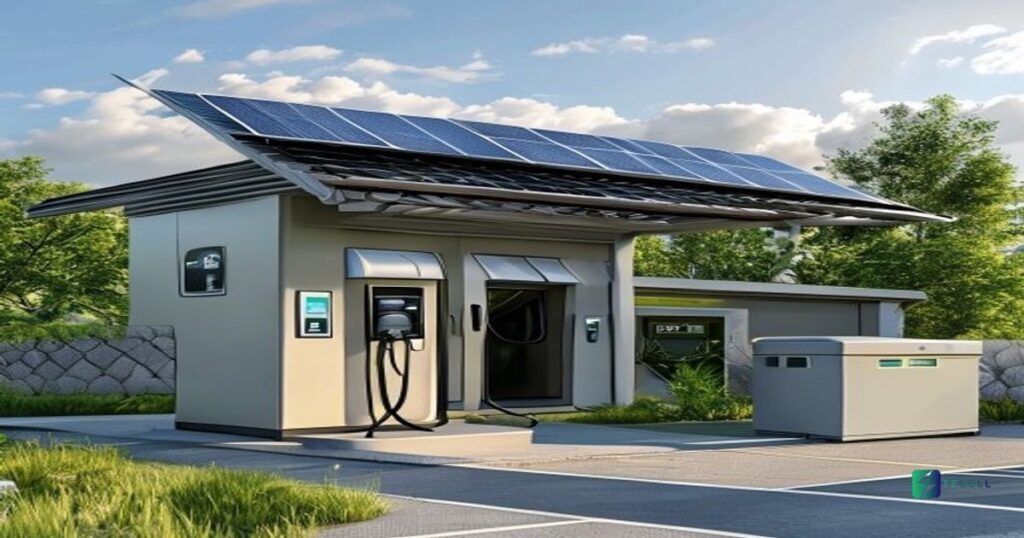
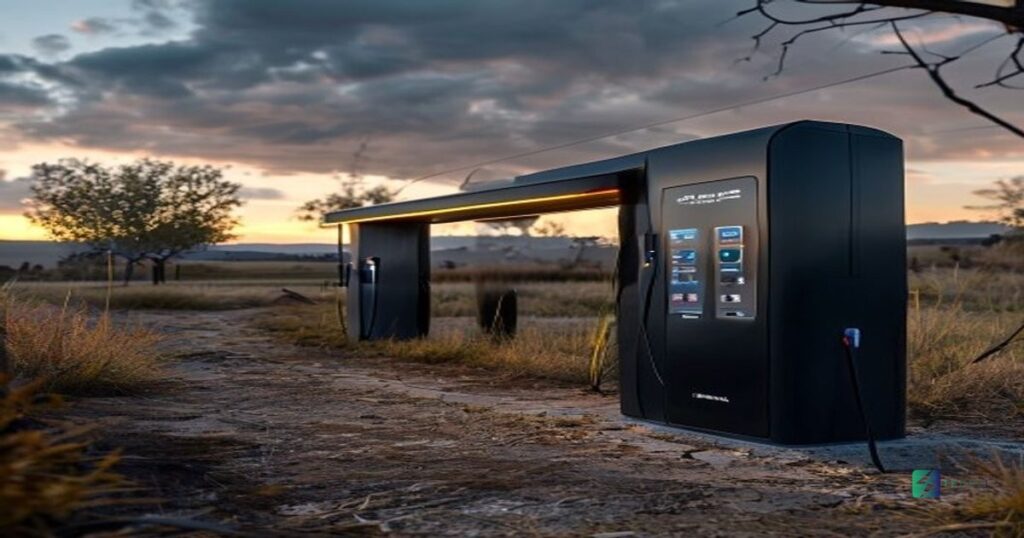
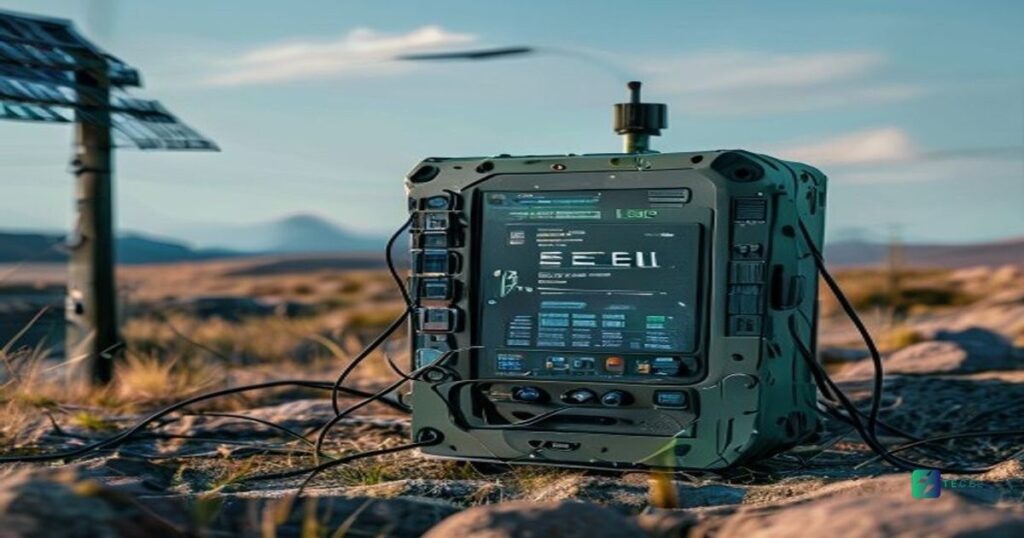
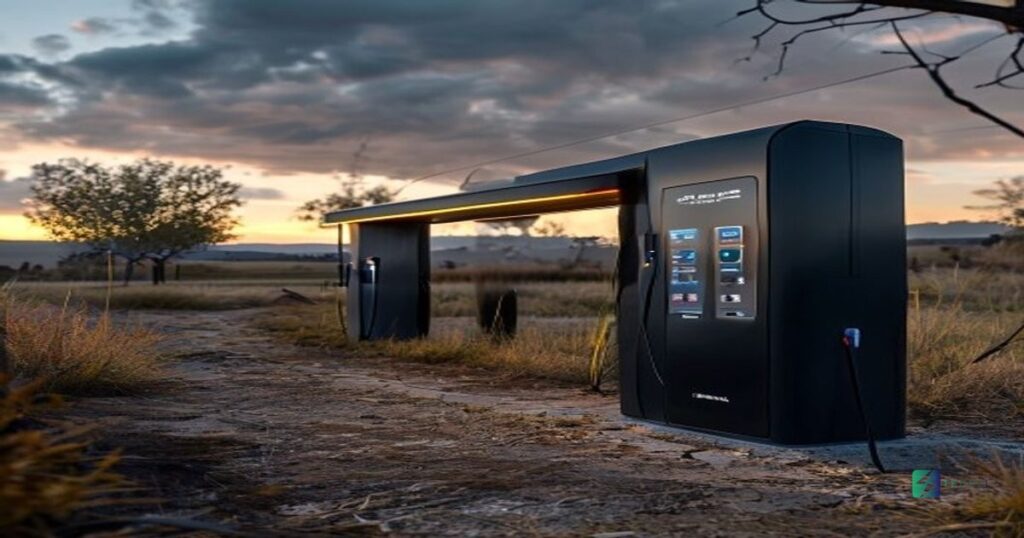
How Tecell’s Charge Management System handles deployments in remote locations with limited internet and intermittent power.
Tecell’s Charge Management System calculates and reports charging session data for billing reconciliation in hybrid AC/DC networks.
Discover how predictive maintenance in EV charging infrastructure can reduce downtime and improve reliability using analytics and real-time data.
Tecell’s CMS captures and processes charging session data for accurate billing in multi-tenant networks.
Explore how semantic web technologies enable seamless charging session metadata exchange across OCPP, OCPI, and ISO 15118 protocols.
OCPP 2.0.1 enhances encryption and session security over OCPP 1.6J with TLS 1.2+, AES-256, and stronger authentication.
A charging protocol abstraction layer simplifies fleet management by unifying communication across OCPP, OCPI, and proprietary systems.
Secure multi-tenant firmware update management ensures consistent, secure updates across diverse EV charging hardware ecosystems.
Learn how dynamic load balancing in multi-node charging cabinets optimizes power distribution for AC and DC hybrid systems.
Learn how predictive maintenance architecture can help fleet operators anticipate hardware failures in DC fast charging cabinets using telemetry and machine learning.
This guide compares Level 2 chargers and pedestal chargers, covering power delivery, installation, and environmental resilience to help you choose the right EV charging solution.
Explore how edge AI enhances charging network resilience through localized decision-making, predictive maintenance, and fault recovery in distributed environments.
Edge-Cloud Co-Design for Smart Charging leverages localized AI at the charging point to reduce latency and improve load balancing in high-density urban deployments.
Explore how Plug & Charge technology, enabled by ISO 15118, transforms multi-tenant EV charging environments by eliminating traditional authentication steps and improving user experience.
A detailed comparison of Plug & Charge and NACS authentication protocols in fleet charging environments, covering security, user experience, and implementation.
Learn how to design a multi-tenant charging dashboard that supports real-time analytics, role-based access control, and compliance reporting for EV infrastructure.
A detailed technical comparison of OCPP 1.6J and OCPP 2.0.1, focusing on message encryption, session logging, and compliance reporting for charging operators.
A detailed look at the OCPP 2.0.1 boot sequence, from charger initialization to secure session establishment, with practical insights for EV infrastructure managers.
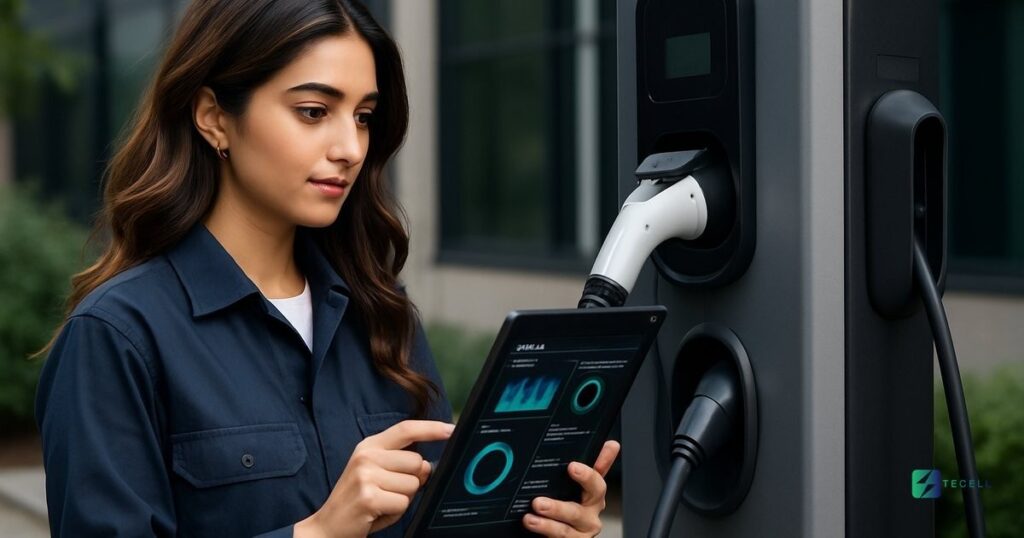
Tecell’s CMS enables secure remote diagnostics for chargers using encrypted tunneling protocols.
Machine learning models are enabling predictive fault detection in DC fast charging cabinets, improving reliability and reducing downtime.